

Cisco Training Courses

Cisco Training Courses

Insoft has been serving IT industry with authorized Cisco courses training, since 2010. Find all the relevant information on Cisco training on this page.

View More Cisco Training Learning Partner
Cisco Certifications

Cisco Certifications

Experience a blended learning approach that combines the best of instructor-led training and self-paced e-learning to help you prepare for your certification exam.

View More Cisco Training Learning Partner
Cisco Learning Credits

Cisco Learning Credits

Cisco Learning Credits (CLCs) are prepaid training vouchers redeemed directly with Cisco that make planning for your success easier when purchasing Cisco products and services.

Have CLCs and want to redeem them? Cisco Training Learning Partner
Cisco Continuing Education

Cisco Continuing Education

The Cisco Continuing Education Program offers all active certification holders flexible options to recertify by completing a variety of eligible training items.

View More Cisco Training Learning Partner
Cisco U Digital Learning

Cisco U

Cisco U. is customized to achieve your learning needs as this provides learning paths that includes wide range of topics, including CCNA, Cloud and Network Automation Essentials.

Browse Catalogue Cisco Training Learning Partner
Cisco Business Enablement

Cisco Business Enablement

The Cisco Business Enablement Partner Program focuses on sharpening the business skills of Cisco Channel Partners and customers.

View More Cisco Training Learning Partner
Fortinet Certification Training

Fortinet Technical Certifications

Insoft Services´ training capabilities rely on the excellence of our exclusive Fortinet Certified Trainers (FCT). We are dedicated to providing high-quality training to Fortinet Customers and Partners.

View More Fortinet Premier Authorized Training Center
Fortinet Training Courses

Fortinet Technical Courses

Insoft is recognised as Fortinet Authorized Training Center in selected locations across EMEA.

View More Fortinet Premier Authorized Training Center
Fortinet Premier Authorized Training Center class=

ATC Status

Check our ATC Status across selected countries in Europe.

View More Fortinet Premier Authorized Training Center
Fortinet Consultancy Services

Fortinet Services Packages

Insoft Services has developed a specific solution to streamline and simplify the process of installing or migrating to Fortinet Products.

Browse Packages Fortinet Premier Authorized Training Center
Extreme Networks Training Partner

Technical Training

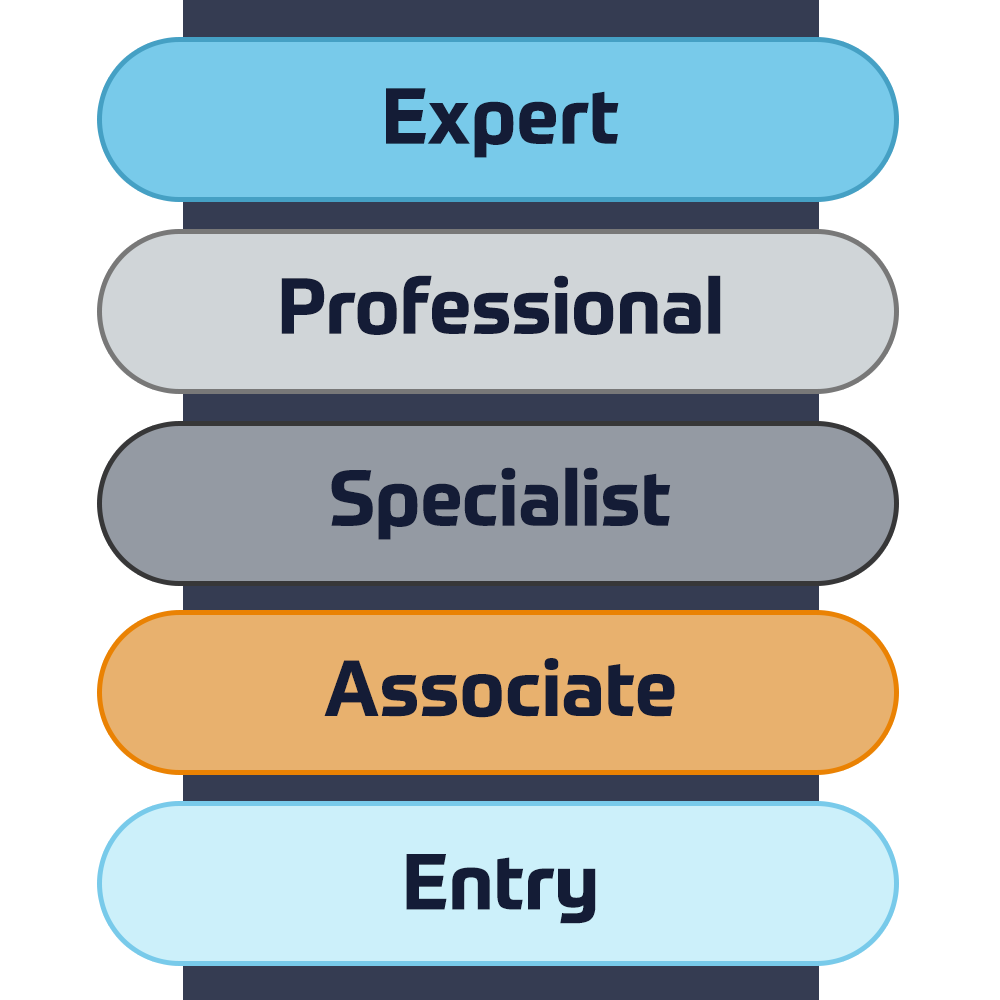
The evolution of Extreme Networks Technical Training provides a comprehensive progressive pathway from Associate to Professional accreditation.

View More Extreme Networks Training Partner
Extreme Networks Training Partner

ATP Accreditation

As an authorised training partner (ATP), Insoft Services ensures that you receive the highest standards of education available.

View More Extreme Networks Training Partner

What we do

Through our global presence and partner ecosystem, we provide strategic IT consulting services to align IT services with customers' business goals.

View More
Cisco Consultancy Services


We provide the highest level of expertise on Cisco consultancy services, that target audits of your current network and implementing updates for improved operational performance, secure data and compliant systems.

View More
Fortinet Consultancy Services


We provide the highest level of expertise on Fortinet consultancy services that target audits of your current network and implementing updates for improved operational performance, secure data and compliant systems.

View More
Extreme Networks Consultancy Services


Our team can help enterprises, get the most value from Extreme products and services following our predefined value-added packages or custom ones that fits business needs.


View More
TXOne Networks


TXOne Networks provides cybersecurity solutions that ensure the reliability and safety of ICS and OT environments through the OT zero trust methodology protecting assets for their entire life cycle.


View More

About Us

Our training portfolio includes a wide range of IT training from IP providers, including Cisco, Extreme Networks, Fortinet, Microsoft, to name a few, in EMEA.

View More

JSPX – Junos Service Provider Switching

Contact Us

We would love to hear from you. Please complete this form to pre-book or request further information about our delivery options.

Data Protection & Privacy

I consent to receive emails and/or calls from Insoft Services related to the Insoft Services´ products and services.
I acknowledge that my data will be collected and processed as described in the Insoft Services privacy policy.

Close

JSPX – Junos Service Provider Switching

Enroll Now
JSPX – Junos Service Provider Switching
Duration
2 Days
Delivery
(Online and onsite)
Price
Price Upon Request

This two-day course is designed to provide students with intermediate switching knowledge and configuration examples. The course includes an overview of switching concepts such as LANs, Layer 2 address learning, bridging, VLANs, provider bridging, VLAN translation, spanning-tree protocols, and Ethernet Operation, Administration, and Maintenance (OAM).

This course also covers Junos operating system (OS) specific implementations of integrated routing and bridging (IRB) interfaces, routing instances, virtual switches, load balancing, and port mirroring. Furthermore, this course covers the basics of Multiple VLAN Registration Protocol (MVRP), link aggregation groups (LAGs), and multichassis LAG (MC-LAG). This course is based on Junos OS Release 22.1R1.10. Through demonstrations and hands-on labs, students will gain experience in configuring and monitoring Junos OS operations. This course uses MX Series 3D Ethernet Universal Edge Routers for the hands-on component.

Associated Certification:

JNCIS-SP

  • Describe the different Ethernet standards organizations.
  • Describe the Layer 2 services that are available on the MX Series 3D Ethernet Universal Edge Routers.
  • Describe the function of an Ethernet LAN.
  • Describe learning and forwarding in a bridging environment.
  • Describe Ethernet frame filtering.
  • Implement VLAN tagging.
  • Describe and implement MVRP.
  • Implement IRB.
  • Implement a Layer 2 firewall filter.
  • Describe the use of a routing instance.
  • Describe the function of a virtual router.
  • Describe the function of a virtual switch.
  • Describe the usage of logical systems.
  • Implement a virtual switch.
  • Describe interconnecting routing instances.
  • Describe the different IEEE VLAN stacking models.
  • Describe the components of provider bridging.
  • Configure and monitor provider bridging.
  • Explain the purpose of the Spanning Tree Protocol (STP).
  • Describe the basic operation of STP, Rapid Spanning Tree Protocol (RSTP), Multiple Spanning Tree Protocol (MSTP), and VLAN Spanning Tree Protocol VSTP).
  • Configure and monitor STP, RSTP, MSTP, and VSTP.
  • Explain the purpose of bridge protocol data unit (BPDU), loop, and root protection.
  • Explain typical OAM features.
  • Describe the basic operation of link fault management (LFM).
  • Describe the basic operation of connectivity fault management (CFM).
  • Configure and monitor Ethernet OAM.
  • Describe the basic operation of Ethernet ring protection (ERP).
  • Configure and monitor ERP.
  • Describe the basic operation of LAGs and MC-LAGs.
  • Configure and monitor LAGs and MC-LAGs.
  • Describe the basic functionality of MX Series Virtual Chassis.
  • Describe a basic troubleshooting method.
  • List common issues that disrupt network operations.
  • Identify tools used in network troubleshooting.
  • Use available tools to resolve network issues.

DAY 1

1. Course Introduction

2. Ethernet Switching and Layer 2

  • Learn the Junos OS nomenclature
  • Learn the functions of an Ethernet LAN
  • Describe learning and forwarding in a bridging environment
  • Implement Layer 2 address learning and forwarding
  • Implement Layer 2 firewall filters

3. VLANs and IRBs

  • Configure and monitor VLANs
  • Automate VLAN administration
  • Configure and monitor IRBs

Lab: Ethernet Switching and VLANs

4. Virtual Switches

  • Describe the use of a routing instance
  • Configure and monitor virtual switches
  • Interconnect different routing instances
  • Explain the purpose of logical systems

Lab: Virtual Switches

5. Provider Bridging

  • Expanding the Bridged Network
  • Explaining How Provider Bridging Works
  • Configuring and Monitoring Provider Bridging

Lab: Provider Bridging

6. Spanning-Tree Protocols

  • Summarize Spanning-Tree Protocols
  • Explain How Rapid STP Works
  • Review the Functions of Multiple STP
  • Identify VLAN STP Improvements

7. Configuring Spanning-Tree

  • Configuring and Monitoring Spanning-Tree Protocols
  • Understanding BPDU, Loop, and Root Protection

Lab: MSTP

DAY 2

8. Ethernet OAM

  • Summarize Ethernet Operation, Administration, and Maintenance
  • Identify Capabilities in Link Fault Management
  • Review the Features of Connectivity Fault Management

9. Configuring OAM

  • Configuring and Monitoring Ethernet OAM

Lab: Ethernet OAM – LFM and CFM

10. ERP and LAG

  • Summarize What ERP Does
  • Explain How to Configure and Monitor ERP
  • Provide an Overview of LAG
  • Explain How to Configure and Monitor a LAG

Lab: High Availability and Network Optimization – ERP and LAG

11. MC-LAG and Virtual Chassis

  • Provide a Brief Overview of MC-LAG
  • Explain How to Configure and Monitor an MC-LAG
  • Give a Brief Synopsis of the MX Virtual Chassis

Lab: MC-LAG

12. Troubleshooting and Monitoring

  • Identify Basic Approaches to Troubleshooting and Monitoring
  • Introduce Troubleshooting and Monitoring Tools
  • Review Troubleshooting Case Study: Network Congestion

Lab: Troubleshooting and Monitoring

Individuals responsible for configuring, managing, and monitoring devices running Junos OS.

  • Basic networking knowledge and an understanding of the OSI model and the TCP/IP protocol suite
  • Completion of the Introduction to the Junos Operating System course prior to attending this class
This two-day course is designed to provide students with intermediate switching knowledge and configuration examples. The course includes an overview of switching concepts such as LANs, Layer 2 address learning, bridging, VLANs, provider bridging, VLAN translation, spanning-tree protocols, and Ethernet Operation, Administration, and Maintenance (OAM). This course also covers Junos operating system (OS) specific implementations of integrated routing and bridging (IRB) interfaces, routing instances, virtual switches, load balancing, and port mirroring. Furthermore, this course covers the basics of Multiple VLAN Registration Protocol (MVRP), link aggregation groups (LAGs), and multichassis LAG (MC-LAG). This course is based on Junos OS Release 22.1R1.10. Through demonstrations and hands-on labs, students will gain experience in configuring and monitoring Junos OS operations. This course uses MX Series 3D Ethernet Universal Edge Routers for the hands-on component. Associated Certification: JNCIS-SP
  • Describe the different Ethernet standards organizations.
  • Describe the Layer 2 services that are available on the MX Series 3D Ethernet Universal Edge Routers.
  • Describe the function of an Ethernet LAN.
  • Describe learning and forwarding in a bridging environment.
  • Describe Ethernet frame filtering.
  • Implement VLAN tagging.
  • Describe and implement MVRP.
  • Implement IRB.
  • Implement a Layer 2 firewall filter.
  • Describe the use of a routing instance.
  • Describe the function of a virtual router.
  • Describe the function of a virtual switch.
  • Describe the usage of logical systems.
  • Implement a virtual switch.
  • Describe interconnecting routing instances.
  • Describe the different IEEE VLAN stacking models.
  • Describe the components of provider bridging.
  • Configure and monitor provider bridging.
  • Explain the purpose of the Spanning Tree Protocol (STP).
  • Describe the basic operation of STP, Rapid Spanning Tree Protocol (RSTP), Multiple Spanning Tree Protocol (MSTP), and VLAN Spanning Tree Protocol VSTP).
  • Configure and monitor STP, RSTP, MSTP, and VSTP.
  • Explain the purpose of bridge protocol data unit (BPDU), loop, and root protection.
  • Explain typical OAM features.
  • Describe the basic operation of link fault management (LFM).
  • Describe the basic operation of connectivity fault management (CFM).
  • Configure and monitor Ethernet OAM.
  • Describe the basic operation of Ethernet ring protection (ERP).
  • Configure and monitor ERP.
  • Describe the basic operation of LAGs and MC-LAGs.
  • Configure and monitor LAGs and MC-LAGs.
  • Describe the basic functionality of MX Series Virtual Chassis.
  • Describe a basic troubleshooting method.
  • List common issues that disrupt network operations.
  • Identify tools used in network troubleshooting.
  • Use available tools to resolve network issues.

DAY 1

1. Course Introduction

2. Ethernet Switching and Layer 2

  • Learn the Junos OS nomenclature
  • Learn the functions of an Ethernet LAN
  • Describe learning and forwarding in a bridging environment
  • Implement Layer 2 address learning and forwarding
  • Implement Layer 2 firewall filters

3. VLANs and IRBs

  • Configure and monitor VLANs
  • Automate VLAN administration
  • Configure and monitor IRBs

Lab: Ethernet Switching and VLANs

4. Virtual Switches

  • Describe the use of a routing instance
  • Configure and monitor virtual switches
  • Interconnect different routing instances
  • Explain the purpose of logical systems

Lab: Virtual Switches

5. Provider Bridging

  • Expanding the Bridged Network
  • Explaining How Provider Bridging Works
  • Configuring and Monitoring Provider Bridging

Lab: Provider Bridging

6. Spanning-Tree Protocols

  • Summarize Spanning-Tree Protocols
  • Explain How Rapid STP Works
  • Review the Functions of Multiple STP
  • Identify VLAN STP Improvements

7. Configuring Spanning-Tree

  • Configuring and Monitoring Spanning-Tree Protocols
  • Understanding BPDU, Loop, and Root Protection

Lab: MSTP

DAY 2

8. Ethernet OAM

  • Summarize Ethernet Operation, Administration, and Maintenance
  • Identify Capabilities in Link Fault Management
  • Review the Features of Connectivity Fault Management

9. Configuring OAM

  • Configuring and Monitoring Ethernet OAM

Lab: Ethernet OAM – LFM and CFM

10. ERP and LAG

  • Summarize What ERP Does
  • Explain How to Configure and Monitor ERP
  • Provide an Overview of LAG
  • Explain How to Configure and Monitor a LAG

Lab: High Availability and Network Optimization – ERP and LAG

11. MC-LAG and Virtual Chassis

  • Provide a Brief Overview of MC-LAG
  • Explain How to Configure and Monitor an MC-LAG
  • Give a Brief Synopsis of the MX Virtual Chassis

Lab: MC-LAG

12. Troubleshooting and Monitoring

  • Identify Basic Approaches to Troubleshooting and Monitoring
  • Introduce Troubleshooting and Monitoring Tools
  • Review Troubleshooting Case Study: Network Congestion

Lab: Troubleshooting and Monitoring

Individuals responsible for configuring, managing, and monitoring devices running Junos OS.

  • Basic networking knowledge and an understanding of the OSI model and the TCP/IP protocol suite
  • Completion of the Introduction to the Junos Operating System course prior to attending this class