
 Finland
 Germany
 Denmark
 Sweden
 Italy
Italy Netherlands
 Norway





















Securing the Connected Drive: Why Automotive IoT Needs a Security-First Approach
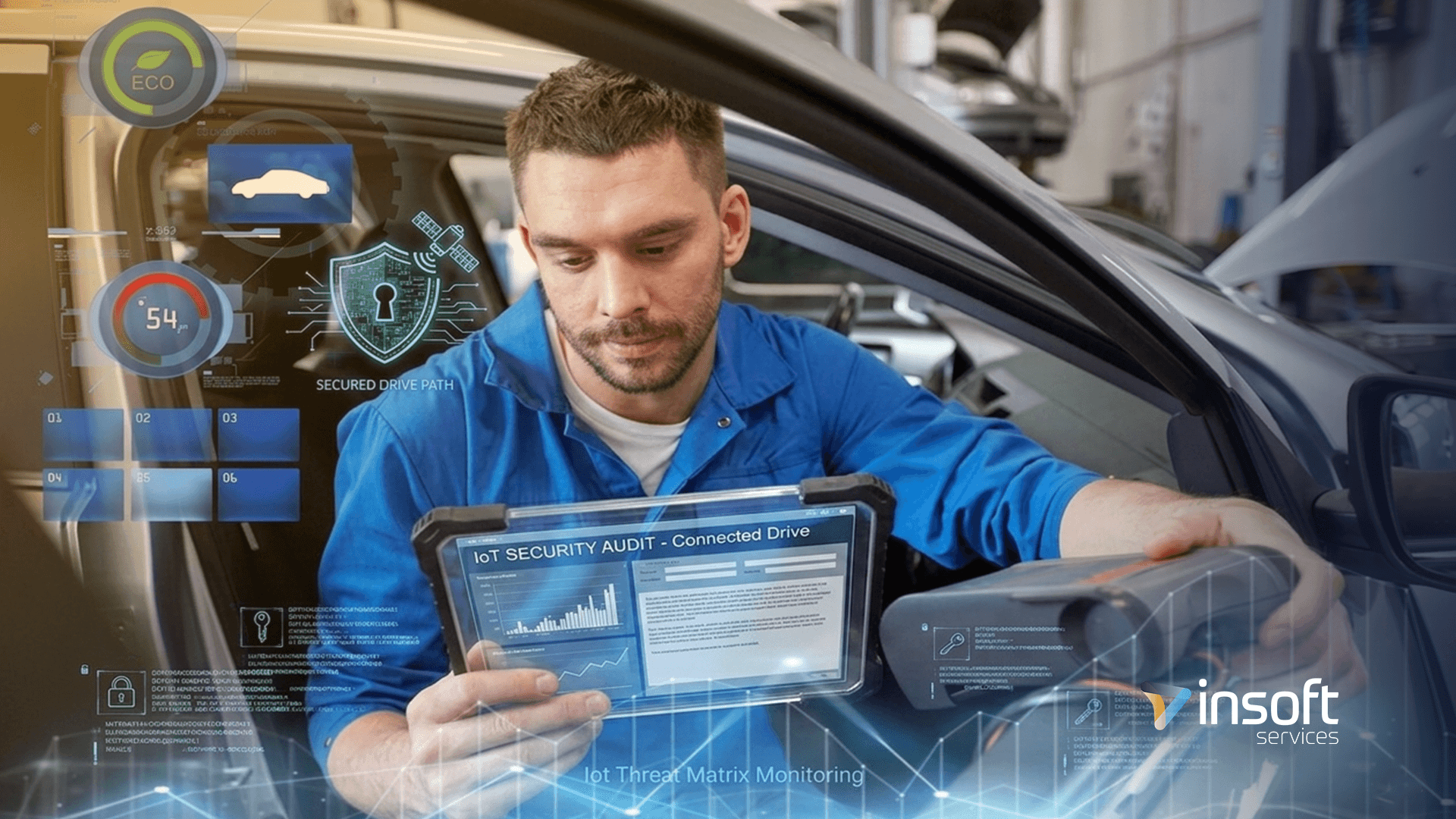
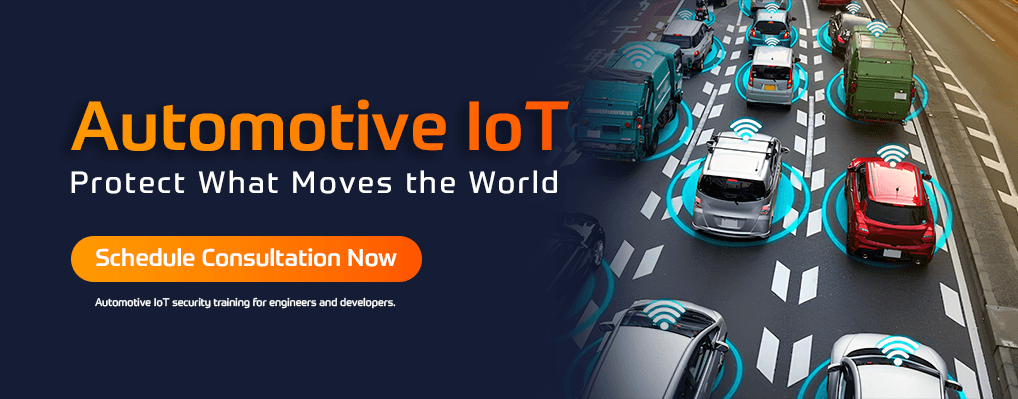
The modern vehicle is no longer just a machine; it is a connected system on wheels. With IoT and automation reshaping the automotive industry, today’s vehicles communicate with cloud platforms, roadside infrastructure, and even other vehicles. This transformation is exciting, but it also introduces new security challenges that cannot be ignored.
Every connected sensor, gateway, and control unit becomes a potential entry point. From remote keyless systems to over-the-air updates, attackers continuously seek to exploit vulnerabilities. What makes automotive security unique is that it is not only about protecting data; it is about protecting human lives. A compromised system is not merely an inconvenience—it can have real-world consequences.
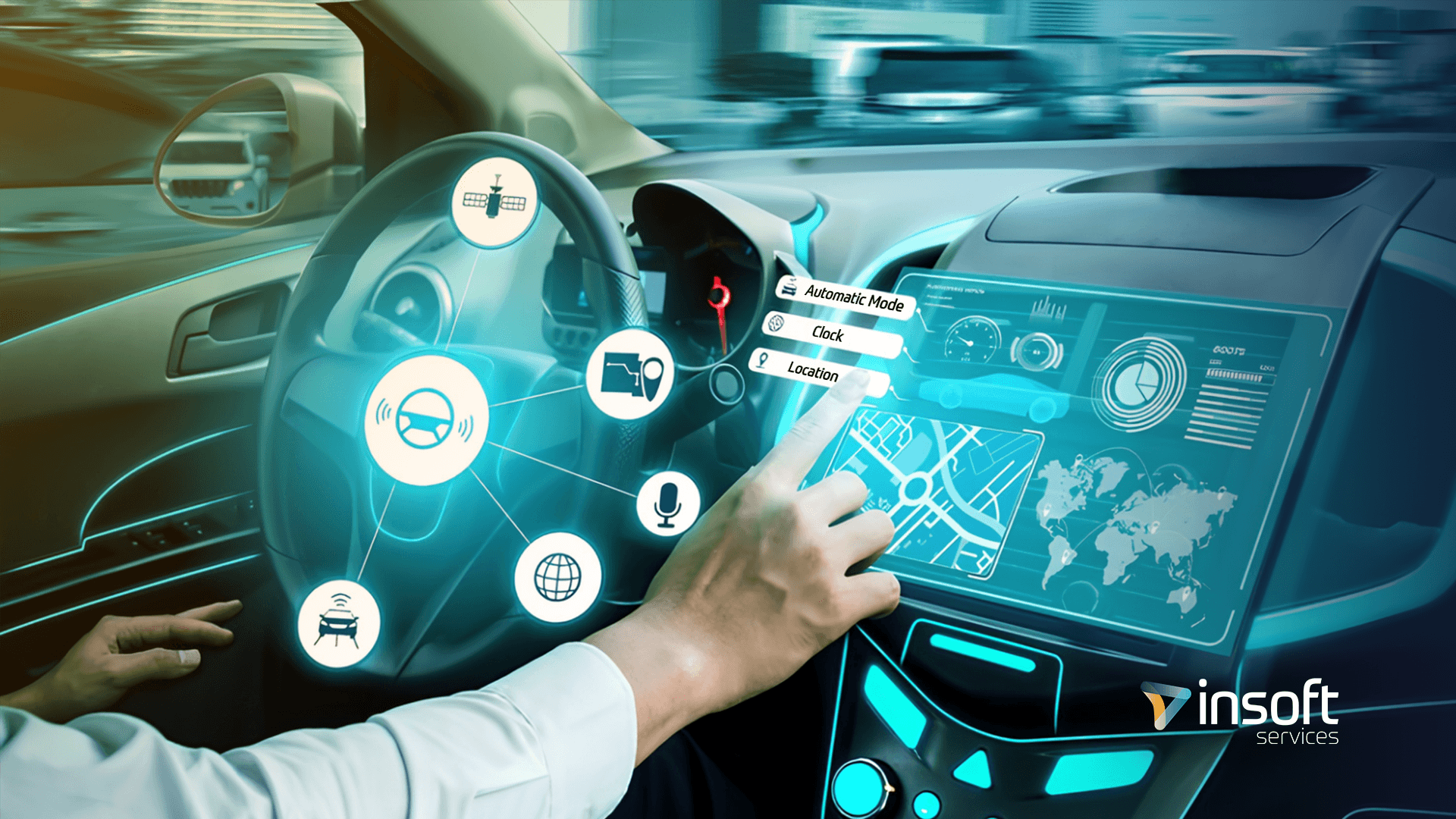
Security can no longer be treated as an afterthought. It must be embedded from the earliest design phase. This includes secure communication protocols, hardware-level protection, continuous monitoring, and structured patch management strategies.
As vehicles become more intelligent, collaboration among cybersecurity specialists, automotive engineers, and software developers becomes essential. The objective is not to slow innovation, but to ensure that innovation remains safe, reliable, and trustworthy.
The future of mobility depends not only on how advanced our vehicles become, but also on how effectively we secure them.

No Comments