
 Finland
 Germany
 Denmark
 Sweden
 Italy
Italy Netherlands
 Norway


















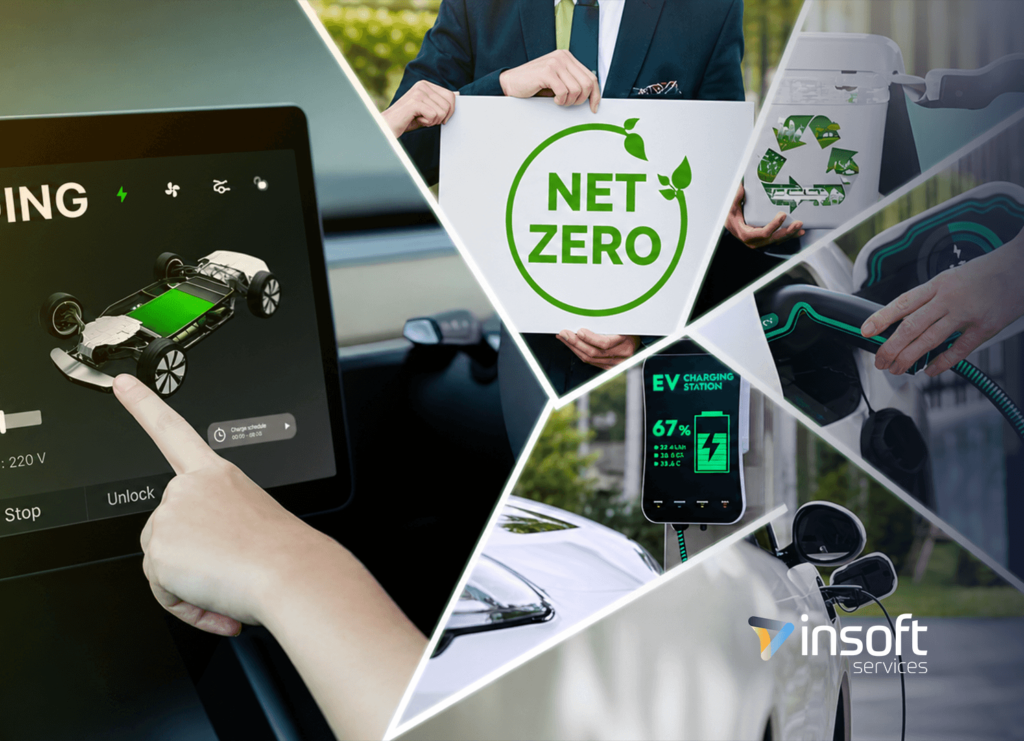
Securing communication between an Electric Vehicle (EV) and Electric Vehicle Supply Equipment (EVSE) is critical, as a breach could lead to billing fraud, data theft, or, in extreme cases, physical damage to the battery through manipulated power commands.
IoT Security in this domain is implemented through a layered approach that focuses on encryption, identity management, and hardware-level integrity.
1. Digital Security: TLS and PKI
The ISO 15118 standard, commonly referred to as the “Plug & Charge” protocol, adopts security principles similar to those used in online banking.
Mutual TLS (mTLS)
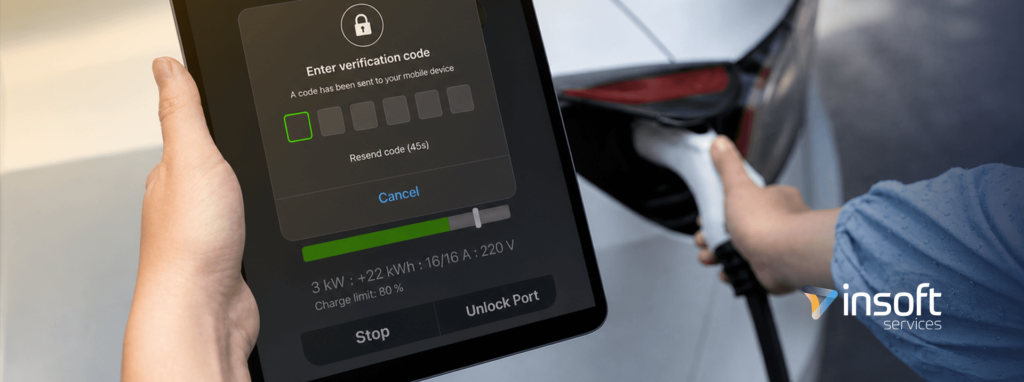
Each communication session is encrypted using Transport Layer Security (TLS 1.3). Both the vehicle and the charger must present digital certificates to authenticate each other. This enables mutual authentication using Public Key Infrastructure (PKI) and helps prevent Man-in-the-Middle (MitM) attacks.
Public Key Infrastructure (PKI)
A trusted root certificate authority issues certificates to both the vehicle and the charging station. These may include contract certificates for the EV and provisioning certificates for the EVSE.
When a vehicle connects to a charger, both parties exchange certificates for validation. The charger verifies the presented certificate using the corresponding public key and checks it against a Certificate Revocation List (CRL) to ensure the identity has not been compromised or revoked.
2. Hardware Security: Root of Trust
To prevent attackers from extracting cryptographic credentials, manufacturers rely on dedicated hardware cybersecurity components.
Hardware Security Modules (HSMs)
HSMs securely store sensitive cryptographic keys in a tamper-resistant environment. This ensures that private keys cannot be extracted or used to impersonate the vehicle or charging station.
Trusted Platform Modules (TPMs)
Many EVs use TPMs to validate the integrity of software involved in the charging process. If firmware tampering is detected, the secure boot process fails, and the vehicle will refuse to initiate the secure charging handshake.
3. Physical and Signaling Security
Since the low-level charging handshake is based on electrical signaling, it is more difficult to encrypt but can be monitored for anomalies.
Signal Profile Analysis
The charger continuously monitors pulse-width modulation (PWM) signals. If impedance or voltage levels deviate from expected states (e.g., State B or State C in IEC charging modes), the system may interpret this as an anomaly and immediately disconnect power via a physical relay.
Power Line Communication (PLC) Security
Because PLC transmits data over power lines, signal interference or cross-talk may occur between adjacent charging stations. Secure implementations use Signal Level Attenuation Characterization (SLAC) to validate signal strength and ensure communication occurs only between the physically connected vehicle and charger.
4. Backend Security: OCPP and Cloud Integration
Communication between the charging station and backend systems is secured separately using the Open Charge Point Protocol (OCPP).
WebSockets over TLS
Charger-to-cloud communication is secured using WebSockets over TLS 1.3, typically with mutual TLS (mTLS) authentication.
OCPP Security Profiles (v2.0.1)
Modern OCPP standards define security requirements such as:
- Strict logging of security-relevant events
- Secure firmware update mechanisms with integrity verification (e.g., checksum or digital signature validation)
- Enforced authentication and authorization policies for backend communication
Conclusion
Automotive charging security relies on a multi-layered architecture spanning digital encryption, cryptographic identity validation, hardware-rooted trust, physical signal monitoring, and secure backend communication. Together, these layers ensure the integrity, authenticity, and safety of EV charging systems in increasingly connected automotive environments.

No Comments