
 Finland
 Germany
 Denmark
 Sweden
 Italy
Italy Netherlands
 Norway
















Zero-day attacks are no longer rare events that only affect large enterprises. They have become a daily reality, often slipping past traditional defenses because there is simply no known signature to detect them. This is where artificial intelligence is starting to change the rules of the game, especially in modern security platforms like FortiGate and Cisco security solutions.
For years, network security relied heavily on predefined rules, signatures, and manual analysis. While effective against known threats, this approach struggles when something completely new appears. A zero-day attack does not announce itself. It behaves quietly, often mimicking legitimate traffic, and by the time it is discovered, the damage is already done.
AI brings a different mindset to security. Instead of asking whether something matches a known threat, it asks whether something looks abnormal. This shift from signature-based detection to behavior-based detection is what makes AI so powerful in preventing zero-day attacks.
In FortiGate environments, AI is deeply embedded into threat intelligence through continuous analysis of global data. The system learns patterns from millions of network events and identifies deviations in real time. For example, if a device suddenly starts communicating in a way that does not match its usual behavior, the firewall can flag or block that activity even if no known attack signature exists. This kind of adaptive learning allows security teams to react faster without waiting for updates.
Cisco takes a slightly different but equally interesting approach by integrating AI across its broader security ecosystem. Instead of focusing only on the firewall, Cisco uses AI to correlate data from endpoints, network devices, and cloud applications. This creates a more complete picture of what is happening across the entire environment. When a potential zero-day attack begins, even small signals from different sources can be combined to detect something suspicious much earlier.
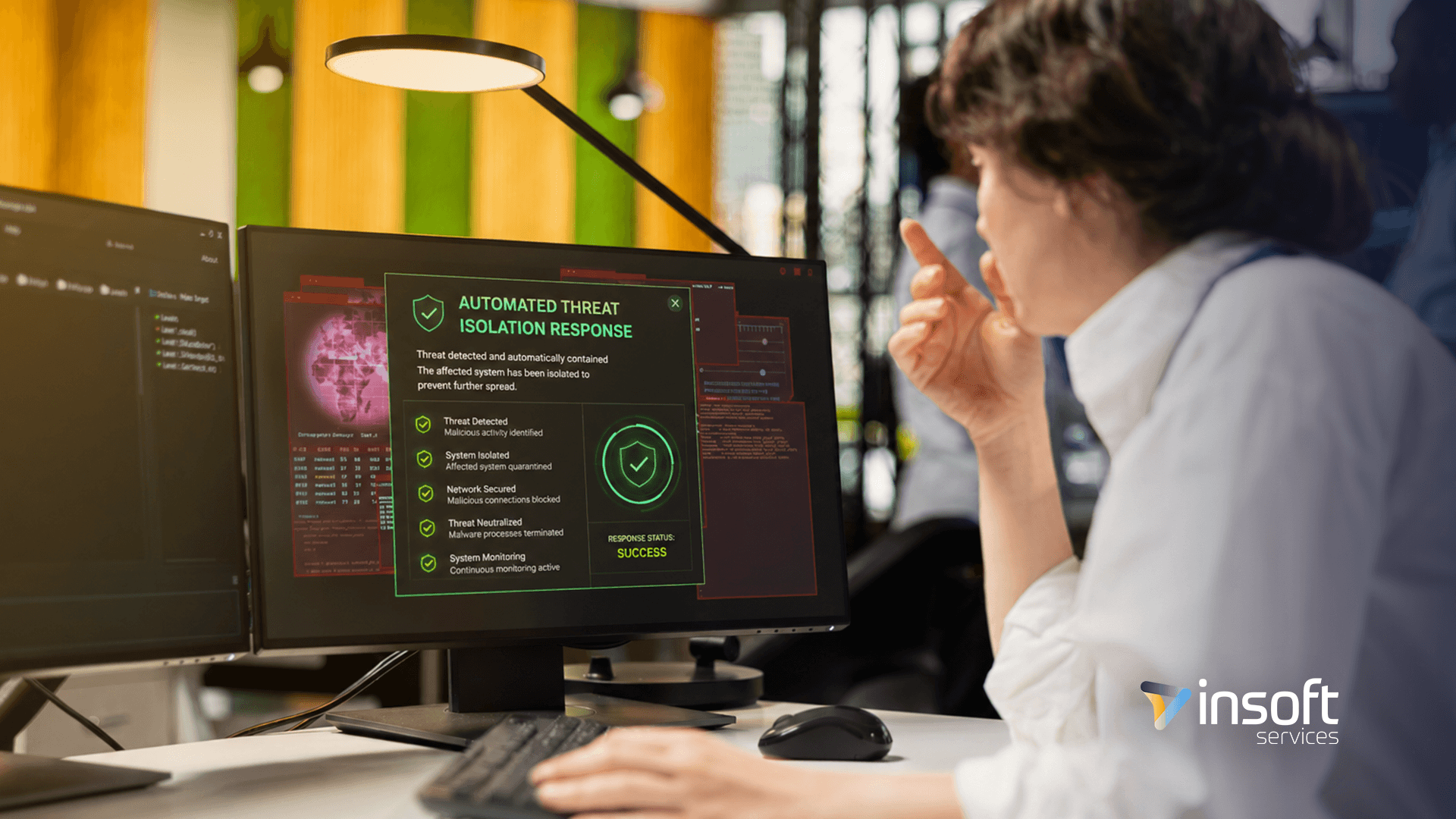
One of the most valuable aspects of AI in both platforms is automation. Security teams are often overwhelmed with alerts, many of which turn out to be false positives. AI helps reduce this noise by prioritizing threats based on risk and context. More importantly, it can take immediate action, such as isolating a compromised system or blocking malicious traffic, without waiting for human intervention.
However, relying on AI does not mean removing humans from the process. In reality, it shifts their role. Instead of spending time chasing alerts, security professionals can focus on investigation, strategy, and improving overall resilience. AI becomes a force multiplier rather than a replacement.
There are also challenges to consider. AI models are only as good as the data they are trained on. Poor data quality or lack of visibility can reduce effectiveness. Additionally, attackers are starting to experiment with their own AI-driven techniques, which means this is an evolving battle rather than a finished solution.
What stands out is that both FortiGate and Cisco are moving toward a future where security is not just reactive, but predictive. The goal is not only to stop attacks but also to anticipate them before they fully develop.
For organizations, the takeaway is simple: zero-day threats are not going away, and traditional defenses alone are no longer enough. Integrating AI into network security is quickly becoming a necessity rather than an option.

No Comments