
 Finland
 Germany
 Denmark
 Sweden
 Italy
Italy Netherlands
 Norway
















Automation Needs Secure SD-WAN Part 2
In today’s hyper-connected digital landscape, automation has become a necessity. From cloud- native applications to IoT-driven operations, businesses are increasingly relying on automated systems to drive efficiency. It reduces human error and accelerates decision-making.
Why Automation Needs Secure SD-WAN
SD-WAN transforms networking by abstracting control from hardware and introducing software-driven intelligence. It allows organizations to dynamically route traffic based on application needs and use multiple connection types, such as MPLS, broadband, and LTE/5G. SD-WAN also centrally manages network policies, improves performance, and reduces latency.

Key features of Automated SD-WAN:
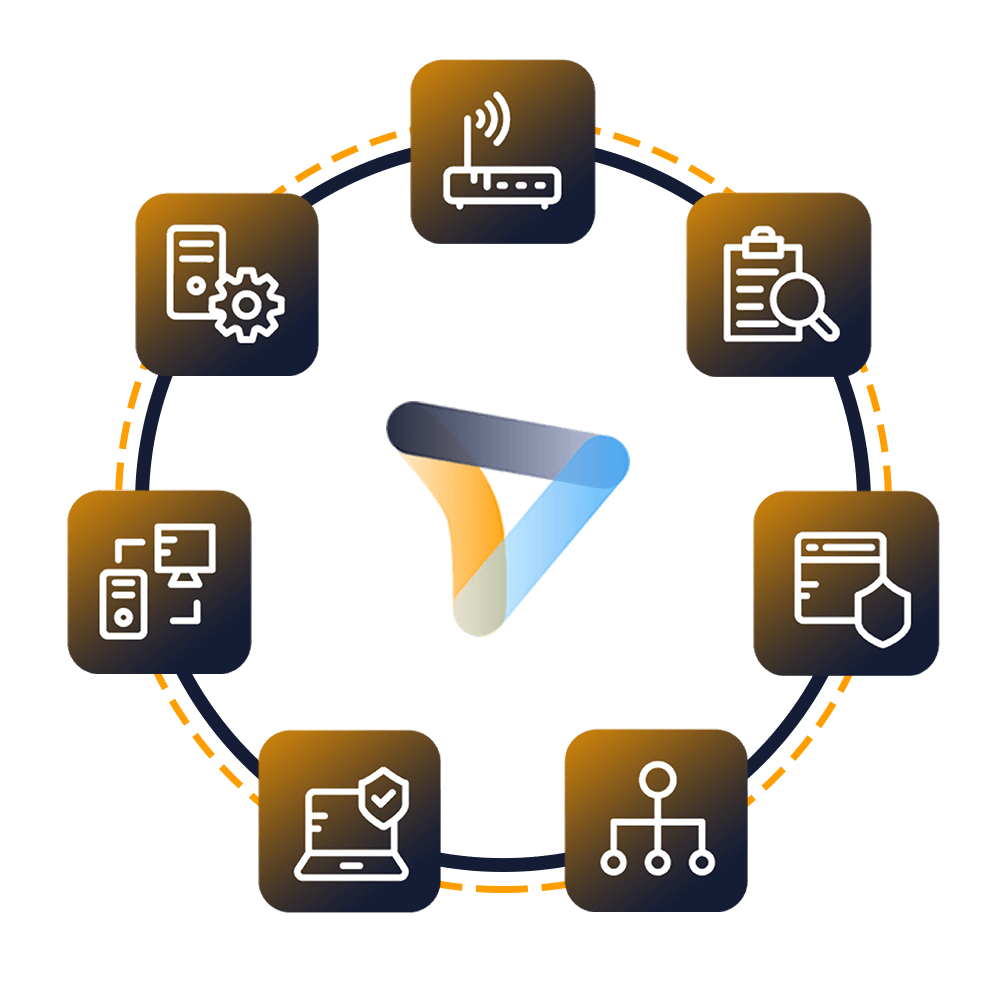
- Nowadays, as automation increases, each connection becomes a potential vulnerability. Secure SD-WAN integrates a number of features such as next-generation firewalls and Zero Trust Network Access (ZTNA).
- Automation operates at machine speed, and security must do the same. Secure SD-WAN enables instant threat detection and response, automated policy enforcement, and continuous traffic inspection.
- Automation also reduces manual oversight, which means the network must be able to self-optimize. Secure SD-WAN supports AI-driven traffic routing, automated failover and track selection, and policy-based orchestration.
- Automated production lines rely on real-time data from sensors and machines. Secure SD-WAN ensures uninterrupted and secure communication between factory floors and cloud analytics platforms.

Conclusion
Automation can reshape how businesses operate, but it also raises the stakes for network performance and security. Secure SD-WAN bridges this gap by delivering a network that is not only fast and flexible, but also intelligent and secure. It outperforms traditional WAN in scalability and cloud readiness.


No Comments