
 Finland
 Germany
 Denmark
 Sweden
 Italy
Italy Netherlands
 Norway
















For many years, companies in the industrial field have used the idea of air-gapping, which means keeping Operational Technology (OT) systems separate from outside networks to lower the risk of cyber threats. The basic idea is straightforward: if a factory, production line, or plant network isn’t connected to the Internet, then attackers can’t access it.
However, in reality, true air-gapping is more of a myth than a fact. Modern industrial settings rarely work in complete isolation, and production systems often need some level of connection to company IT networks, outside vendors, or cloud services for things like analytics, monitoring, and improving operations. Even a small connection can give attackers a way in, breaking the illusion of safety.
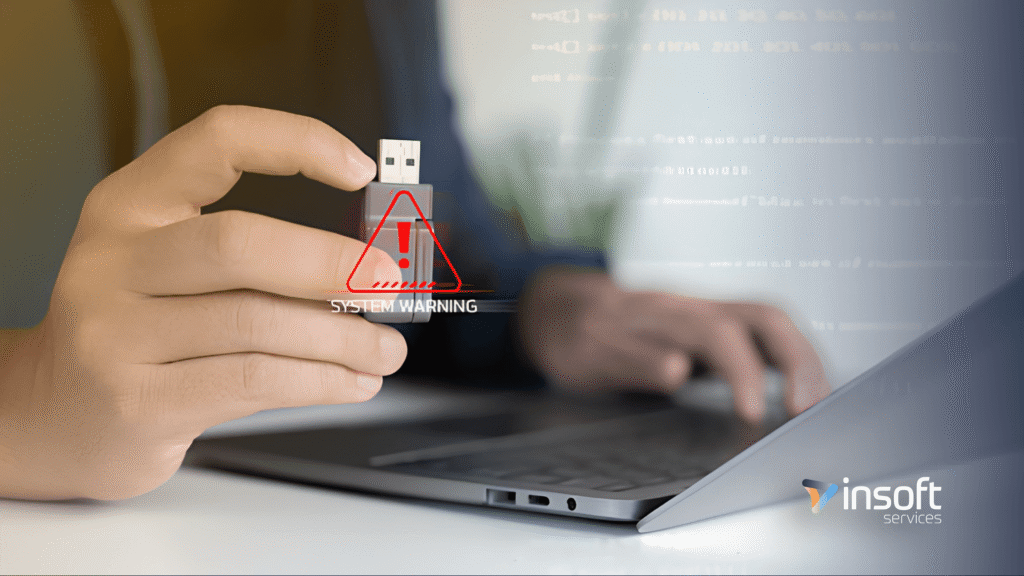
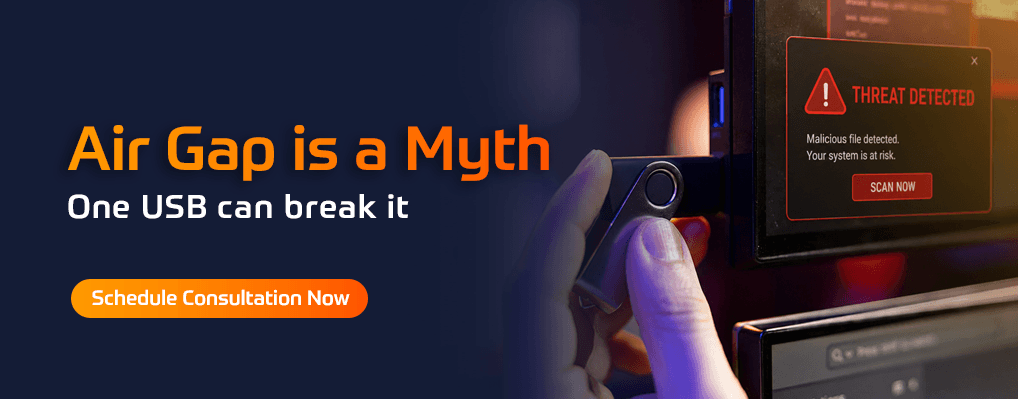
Using removable media adds another hidden route into critical systems. USB drives, portable hard drives, and laptops brought in by contractors or engineers can easily bypass network isolation. Malware doesn’t care if it gets into a system via an Internet download or a thumb drive; once it’s inside, it can spread quickly and cause serious damage across weak systems within a company.
Industrial environments often depend on machines that run outdated operating systems or software that hasn’t been updated, making upgrades hard without disrupting production or halting operations. If harmful code gets into an industrial setting, these systems can give attackers an easy entry point. In the end, just being physically or digitally separated won’t get rid of the human factor. Even the best isolation plans can fall victim to accidental errors or deliberate actions by insiders.
While air-gapping might have once been seen as a strong protection, it is no longer enough in today’s connected world. OT environments need multiple layers of defense, real-time awareness, and practical security strategies that match the realities of modern industrial operations. The idea that an air gap is a foolproof barrier is a framework that organizations can’t afford to hold onto any longer.

No Comments