
 Finland
 Germany
 Denmark
 Sweden
 Italy
 Netherlands
 Norway















Introduction
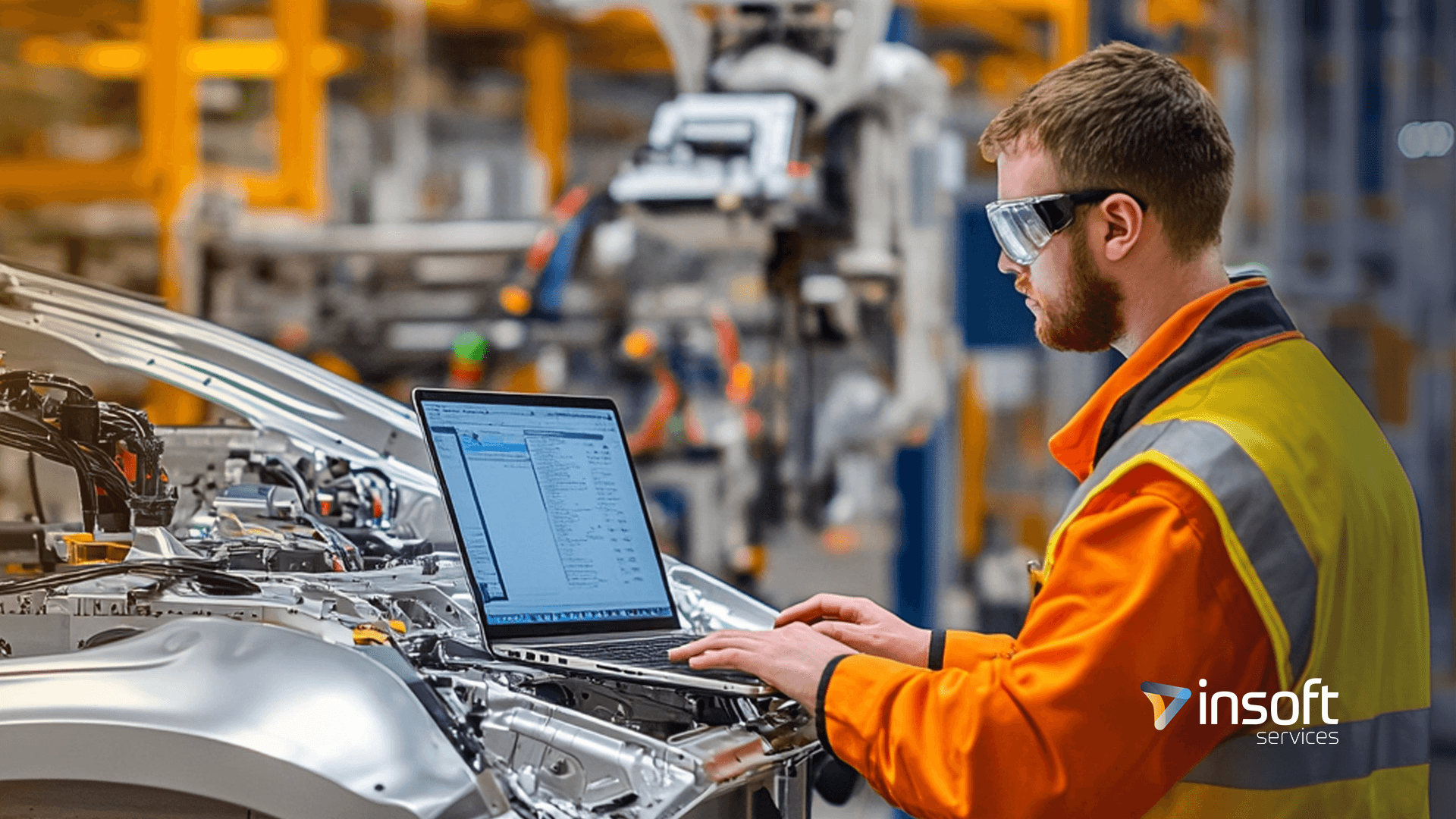
For more than a century, the automotive industry has relied on one of the world’s most sophisticated supply chains. Thousands of suppliers work together to manufacture millions of components that eventually come together to create a single vehicle. Engines, transmissions, brakes, wiring harnesses, dashboards, seats, and countless other parts are designed, tested, shipped, and assembled with remarkable precision.
That model has served the industry well for decades. However, as Software-Defined Vehicles become increasingly common, the automotive supply chain is undergoing one of the most significant transformations in its history. The shift is not simply about adding more software to vehicles. It is changing who participates in the automotive ecosystem, how products are developed, how suppliers collaborate, and where companies create value.
A modern braking system is no longer simply a collection of mechanical parts. It relies on software to communicate with sensors, monitor road conditions, support advanced driver assistance systems, and coordinate with other vehicle functions. The same applies to steering, battery management, climate control, lighting, and even seating systems. As a result, suppliers are no longer delivering hardware alone. They are providing intelligent systems in which software plays an equally important role.
This transformation is creating an entirely different relationship between automakers and their suppliers.
The global chip shortages experienced in recent years also demonstrated how critical these components have become. A single missing processor can delay production even when every other vehicle component is available.
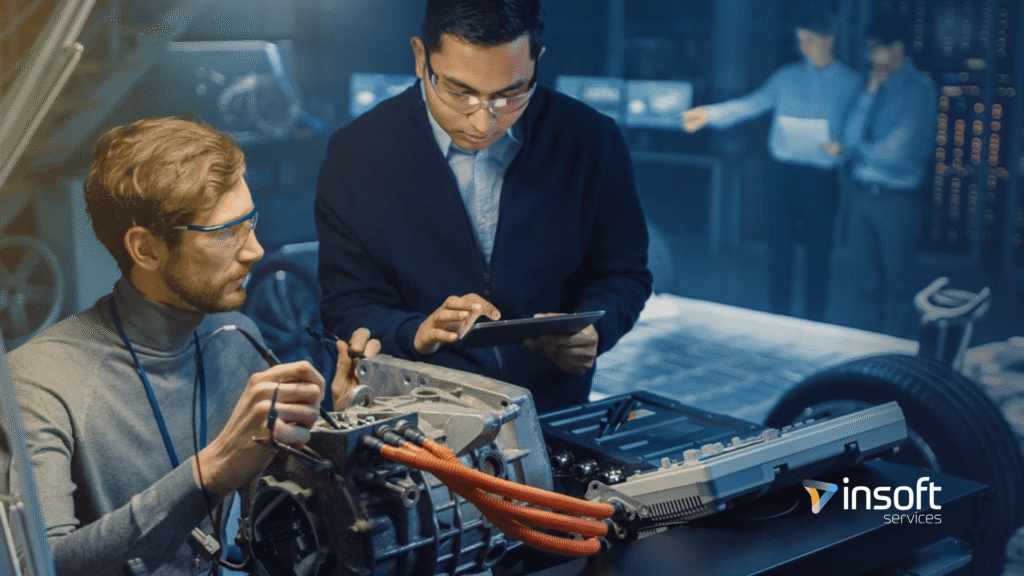
Software updates, connected vehicle services, fleet management platforms, remote diagnostics, predictive maintenance, and digital customer experiences all depend on secure cloud infrastructure. This means automotive companies are now collaborating with organizations that would never have been considered automotive suppliers twenty years ago.
The definition of an automotive supplier is expanding rapidly.
Instead of operating independently, organizations must integrate their technologies into unified software platforms that can operate reliably under demanding conditions. Success depends on compatibility, communication, and continuous coordination throughout the development process.
Standardization is becoming increasingly important as well.
When multiple suppliers contribute software to the same vehicle, common development frameworks and communication standards can help reduce complexity. Shared software architectures allow different systems to work together more efficiently while making future updates and maintenance easier. Without standardization, integrating software from numerous suppliers would become significantly more challenging.
Another major impact involves quality assurance.
Traditional quality inspections have focused heavily on physical components. Manufacturers examined material quality, manufacturing precision, durability, and mechanical performance before approving parts for production.
Software introduces an entirely new dimension to quality management.
Instead of testing only physical components, companies must verify millions of lines of software code, evaluate cybersecurity protections, validate communication between systems, and ensure that updates function correctly across a wide range of driving conditions.
Testing has therefore become both more complex and more continuous.
Software can be updated repeatedly throughout a vehicle’s lifetime, meaning quality assurance is no longer limited to the production stage. It becomes an ongoing responsibility shared by manufacturers and suppliers alike.
This transformation is also encouraging greater transparency across the supply chain.
Automotive companies increasingly rely on digital tools to monitor component availability, software versions, production status, logistics, and quality data in real time. Greater visibility enables faster decision-making while helping to reduce delays and improve overall efficiency.
Artificial intelligence is beginning to play an important role here as well.
AI-powered analytics can help companies forecast demand, identify supply chain risks, optimize inventory, and predict potential disruptions before they affect production. As vehicles become increasingly software-centric, data-driven decision-making is becoming an essential competitive advantage.
Perhaps the most significant change is that innovation is no longer confined to a single company.
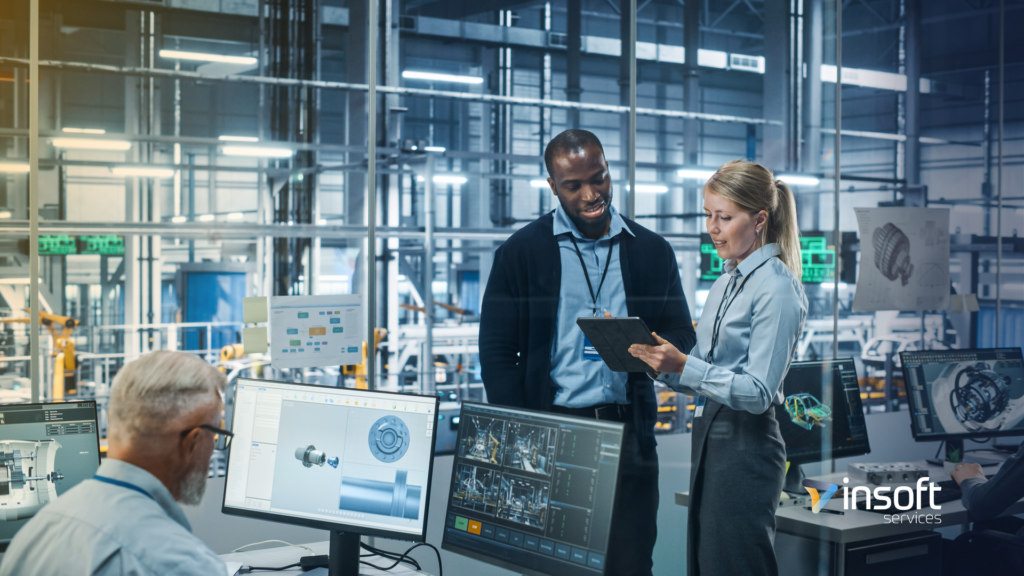
Building a Software-Defined Vehicle requires close collaboration between automakers, semiconductor companies, cloud providers, software developers, artificial intelligence specialists, connectivity partners, and traditional component manufacturers. Each organization contributes expertise that helps shape the final customer experience.
The future of automotive manufacturing will depend less on isolated excellence and more on connected innovation.
As Software-Defined Vehicles continue to gain momentum, the automotive supply chain will become increasingly digital, collaborative, and intelligent. Companies that embrace this transformation will be better positioned to respond to changing customer expectations, accelerate innovation, and adapt to future technological advances.
The vehicle of tomorrow will not be created by one company working alone. It will be the result of a highly connected ecosystem where hardware, software, data, and collaboration come together to deliver smarter, safer, and more capable mobility solutions.
Software-Defined Vehicles are not only changing what we drive. They are changing how the entire automotive industry operates behind the scenes. The supply chain that once revolved around physical components is evolving into a network powered by software, shared expertise, and continuous innovation. This transformation may be invisible to most drivers, but it is quietly shaping the future of mobility every day.

No Comments