
 Finland
 Germany
 Denmark
 Sweden
 Italy
 Netherlands
 Norway

















Introduction
Not too long ago, a career in the automotive industry followed a familiar path. Mechanical engineers designed engines, electrical engineers worked on vehicle electronics, manufacturing teams built the cars, and service technicians maintained them. Software certainly had a place, but it was often viewed as a supporting component rather than the heart of the vehicle.
That picture is changing rapidly
Today, software has become one of the most valuable elements within a vehicle. As Software-Defined Vehicles continue to reshape the automotive landscape, they are also transforming the types of talent companies need, how engineering teams collaborate, and the skills that will define the next generation of mobility professionals.
This shift goes far beyond simply hiring more software developers. It represents a fundamental change in how vehicles are conceived, designed, tested, and improved throughout their entire lifecycle.
Modern vehicles are expected to do much more than provide basic transportation. Drivers now expect seamless connectivity, intelligent navigation, advanced safety systems, voice assistants, personalized settings, remote diagnostics, and continuous software improvements. Meeting these expectations requires expertise that extends well beyond traditional automotive engineering.
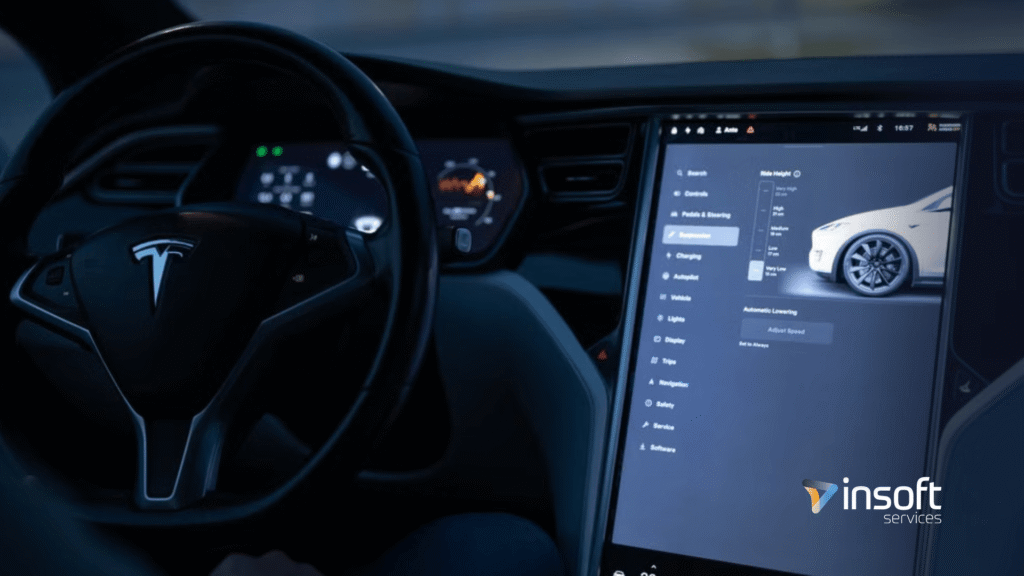
As a result, automotive companies are becoming technology organizations as well as manufacturing businesses.
This level of collaboration is reshaping workplace culture across the industry
In the past, vehicle development often followed long, structured timelines, with major changes introduced primarily during new model launches. Today, software enables continuous development. Teams can identify issues, develop improvements, test updates, and deploy them much faster than before. This requires a more agile mindset, where innovation is continuous rather than tied to annual production cycles.
For example, if drivers consistently provide feedback about an infotainment feature or navigation interface, software teams can analyze that feedback, improve the system, and release updates without waiting years for the next vehicle generation. This creates a development environment that is increasingly similar to the technology industry rather than traditional manufacturing.
Artificial intelligence is another area driving significant demand for new skills. AI is increasingly being used to improve driver assistance systems, optimize battery performance, recognize driving patterns, enhance predictive maintenance, and personalize vehicle experiences. Engineers with expertise in machine learning, computer vision, and intelligent automation are becoming valuable contributors to automotive innovation.
Cybersecurity has also emerged as one of the industry’s fastest-growing specialties. Connected vehicles exchange information with cloud platforms, charging infrastructure, mobile applications, and other digital services. Protecting these systems requires professionals who understand secure software architecture, encryption, vulnerability assessment, and threat detection.
As vehicles become increasingly connected, cybersecurity is no longer an optional consideration. It is a core requirement that influences every stage of product development.
Mechanical engineering knowledge remains incredibly valuable because software ultimately interacts with and controls physical systems. Understanding how braking systems, suspension, steering, thermal management, and powertrains operate is still essential. The difference is that today’s engineers are increasingly combining mechanical knowledge with digital skills to develop more intelligent vehicles.
This evolution is creating exciting opportunities for professionals at every stage of their careers
Companies themselves are investing heavily in employee development. Internal training programs, certification courses, technical workshops, and partnerships with technology organizations are becoming increasingly common as manufacturers prepare their workforce for a software-driven future.
Another interesting aspect of this transformation is the growing collaboration between automotive companies and technology firms. Cloud providers, semiconductor manufacturers, software platform developers, and artificial intelligence companies are working alongside traditional automakers to address increasingly complex challenges. This cross-industry collaboration is accelerating innovation while exposing professionals to a broader range of technologies and career opportunities.
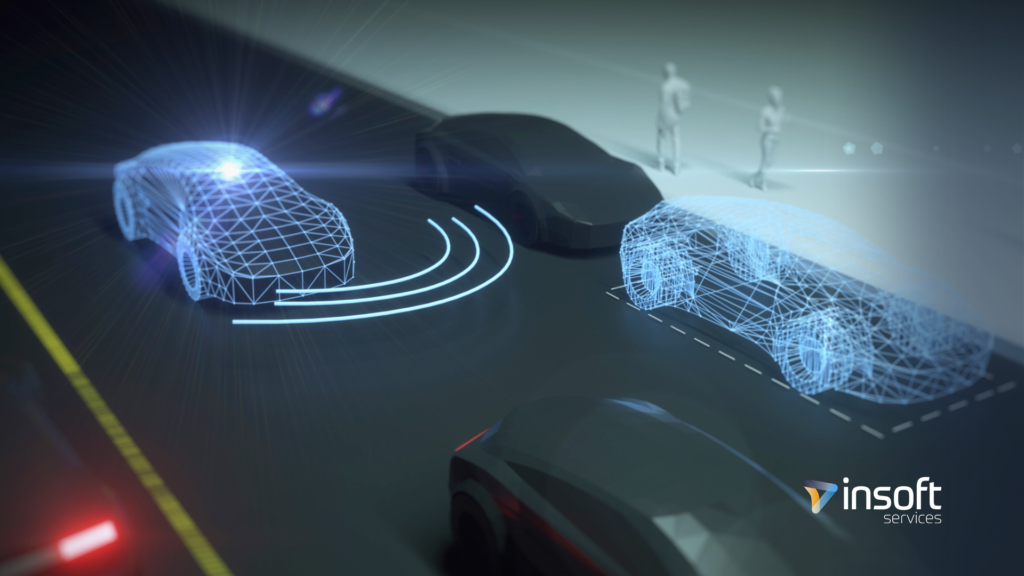
Looking ahead, the importance of Software-Defined Vehicles will only continue to grow. Autonomous driving, intelligent transportation systems, connected infrastructure, and advanced mobility services all depend on highly capable software platforms supported by skilled engineering teams.
Software-Defined Vehicles are transforming more than automobiles. They are redefining careers, creating new professional opportunities, and inspiring a new generation of engineers to think beyond traditional boundaries. As the automotive industry becomes increasingly software-driven, the most valuable skill may not be expertise in a single discipline, but the ability to collaborate, adapt, and continuously learn in a world where technology never stands still.

No Comments