
 Finland
 Germany
 Denmark
 Sweden
 Italy
 Netherlands
 Norway
















Introduction
For generations, buying a car followed a familiar pattern. You visited a dealership, compared models, selected the features you wanted, and drove home knowing that what you had purchased would remain largely unchanged for years. Apart from routine maintenance and occasional repairs, your vehicle was essentially the same machine until the day you decided to replace it.
That expectation is beginning to disappear
The rise of Software-Defined Vehicles is changing one of the most fundamental aspects of vehicle ownership. Instead of remaining static products, modern vehicles are becoming dynamic platforms that can evolve long after they leave the factory. In many ways, owning a car is beginning to resemble owning a smartphone or connected device, where regular software updates introduce new features, improve performance, and enhance the overall experience.
This shift is not simply about adding more technology to vehicles. It represents a fundamental rethink of what ownership means in the automotive world. When most people think about buying a car, they focus on horsepower, fuel efficiency, battery range, interior design, safety ratings, or price. Increasingly, another question is becoming just as important: How will this vehicle improve over time?
That question would have seemed unusual a decade ago. Today, it is becoming one of the key selling points of modern vehicles. Software has given manufacturers the ability to enhance vehicles without replacing physical components. A simple update can improve navigation accuracy, optimize battery management, refine driver assistance systems, strengthen cybersecurity, improve voice recognition, or introduce entirely new digital services.
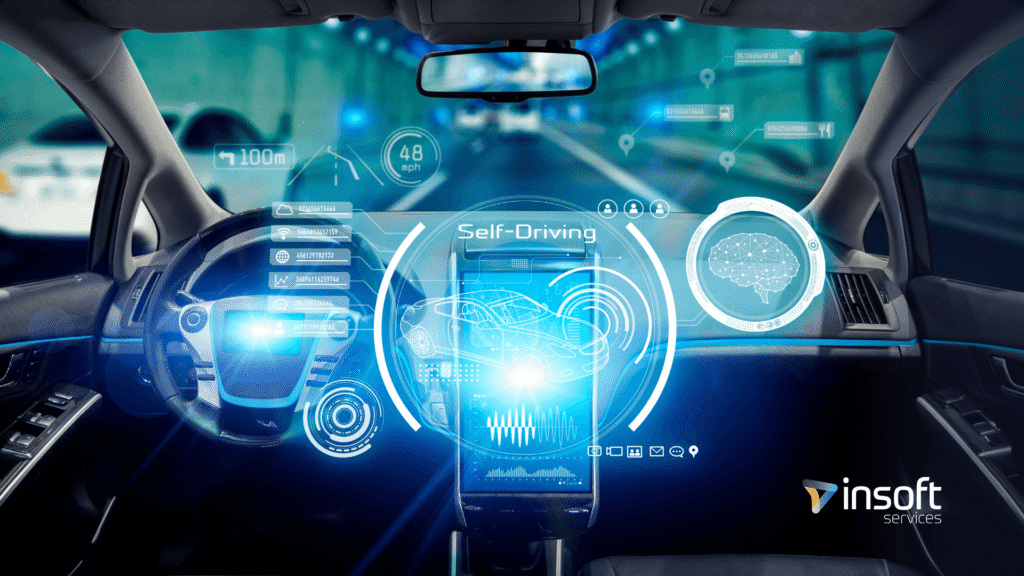
The result is a vehicle that can remain current for much longer than traditional automobiles
Today’s consumers expect products to adapt to their preferences. Streaming platforms recommend movies based on viewing history. Smartphones remember frequently used applications. Smart home devices learn daily routines. It is only natural that vehicles are beginning to offer a similar level of personalization. Software allows cars to recognize individual drivers and automatically adjust seating positions, steering wheel settings, mirror angles, climate preferences, entertainment choices, navigation favorites, and even driving modes. Every journey can become more familiar because the vehicle remembers the person behind the wheel.
This may sound like a small convenience, but over time, it can significantly improve the ownership experience
Families with multiple drivers can especially benefit from these capabilities. Instead of manually adjusting settings every time someone else uses the car, each driver can enjoy a personalized experience within seconds.
Connectivity is another area where customer expectations have changed dramatically
Modern drivers want their vehicles to integrate naturally with the rest of their digital lives. They expect remote access through mobile applications, real-time traffic information, cloud-based navigation, digital key functionality, charging updates for electric vehicles, and instant vehicle health reports. Software-Defined Vehicles make these experiences possible by creating a seamless connection between the vehicle, mobile devices, and cloud services.
Convenience has become just as important as performance
Consider a simple example. Before leaving work, a driver can remotely check battery charge levels, pre-condition the cabin temperature, locate the vehicle in a crowded parking area, or receive alerts when maintenance is required. These features can save time while making ownership more convenient and enjoyable.
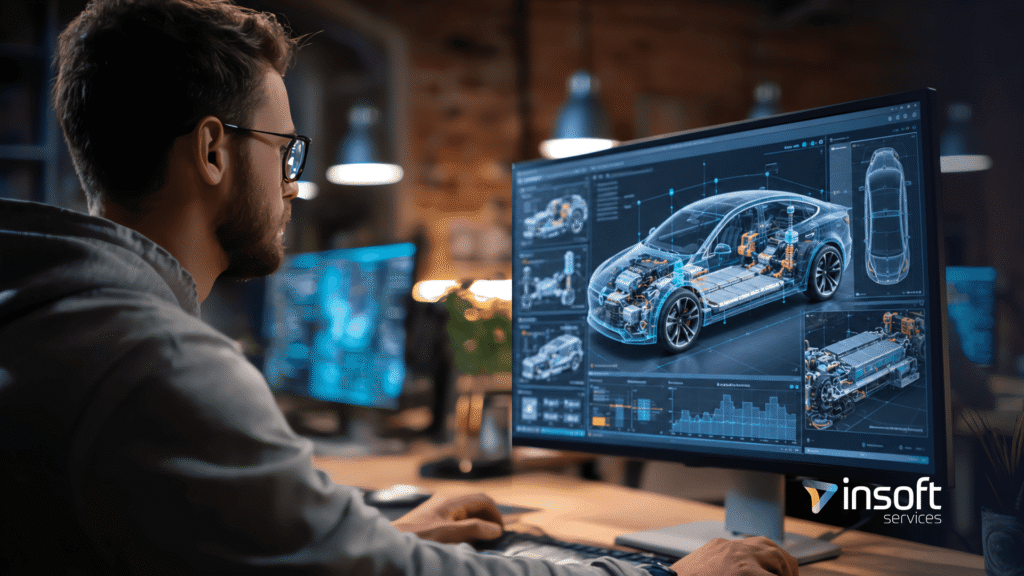
The ownership journey is also becoming more proactive
Instead of waiting for warning lights to appear, intelligent software can continuously monitor vehicle systems and identify potential issues before they become serious problems. Predictive maintenance helps drivers schedule repairs at convenient times, reducing unexpected breakdowns and potentially lowering long-term maintenance costs.
This creates greater confidence for vehicle owners while improving reliability
As vehicles become increasingly connected, customers naturally expect manufacturers to protect their privacy and personal information. Responsible data management, transparent privacy policies, and strong cybersecurity measures are essential for maintaining trust. People are willing to embrace connected experiences, but only when they feel confident that their information is secure.
Reliability is equally important
Unlike entertainment applications, which can occasionally tolerate minor issues, automotive software directly influences systems that drivers rely on every day. This means software updates must undergo extensive testing to ensure they improve performance without compromising safety or reliability.
For manufacturers, delivering high-quality software has become just as important as building reliable engines or durable batteries. The impact of Software-Defined Vehicles extends beyond individual ownership experiences. It is also changing how customers evaluate automotive brands.
In the past, purchasing decisions were often influenced by design, performance, fuel economy, or resale value. While these factors remain important, buyers are increasingly considering how well a manufacturer supports its vehicles after purchase. A company that consistently provides useful software updates, introduces meaningful new features, and responds quickly to customer feedback can build stronger, long-term relationships with its owners.
This creates loyalty that extends well beyond the initial sale
Looking ahead, the ownership experience will continue to evolve as connected technologies become more sophisticated. Artificial intelligence, cloud computing, predictive analytics, and advanced digital services will further personalize every journey while simplifying vehicle maintenance and improving convenience.
The vehicle of the future will not simply transport people from one destination to another. It will learn, adapt, improve, and respond to changing customer needs throughout its entire lifespan.
Software-Defined Vehicles are redefining what people expect after purchasing a car. Ownership is no longer limited to maintaining a machine that gradually becomes outdated. Instead, it is becoming an ongoing experience in which the vehicle continues to evolve alongside its owner.
Perhaps that is the most remarkable aspect of this transformation. The most exciting feature of tomorrow’s vehicle may not be something installed at the factory. It may be something that arrives through the next software update, quietly making the car smarter, safer, and more enjoyable than it was the day before.

No Comments