

Cisco Training Courses

Cisco Training Courses

Insoft has been serving IT industry with authorized Cisco courses training, since 2010. Find all the relevant information on Cisco training on this page.

View More Cisco Training Learning Partner
Cisco Certifications

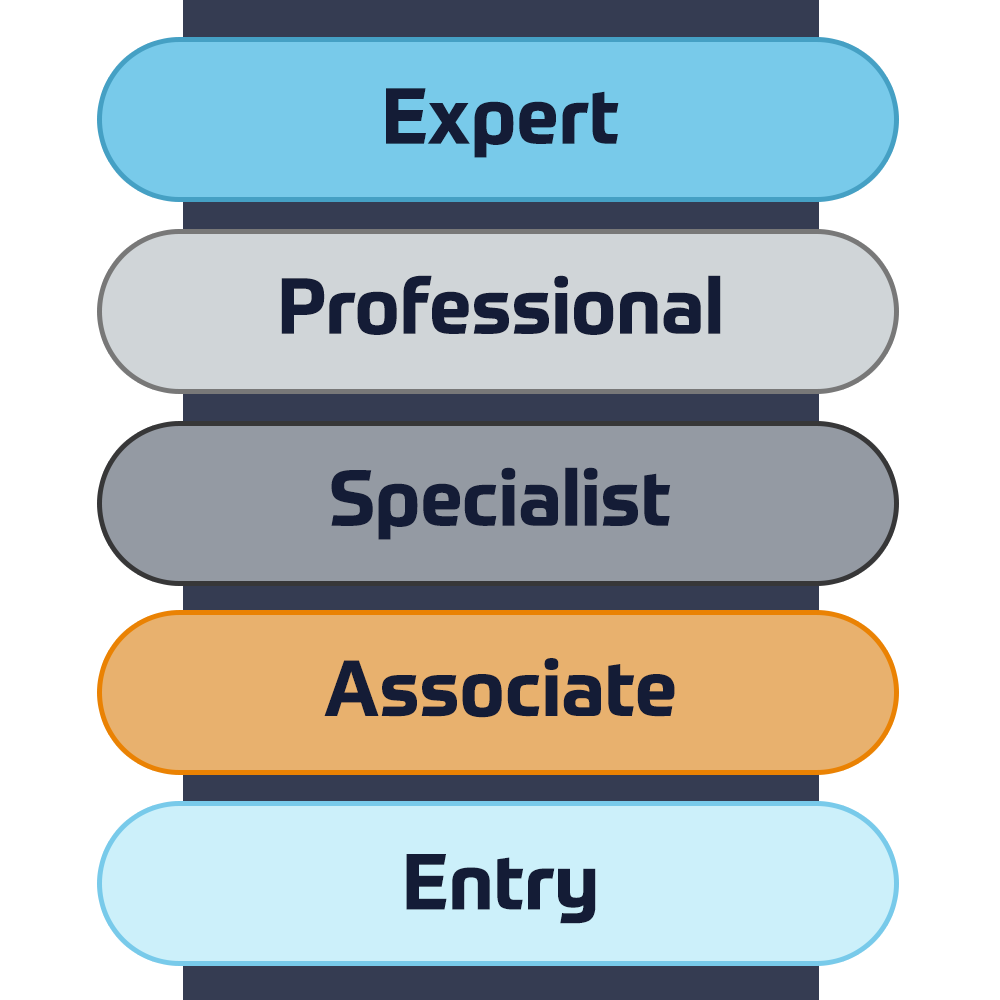
Cisco Certifications

Experience a blended learning approach that combines the best of instructor-led training and self-paced e-learning to help you prepare for your certification exam.

View More Cisco Training Learning Partner
Cisco Learning Credits

Cisco Learning Credits

Cisco Learning Credits (CLCs) are prepaid training vouchers redeemed directly with Cisco that make planning for your success easier when purchasing Cisco products and services.

Have CLCs and want to redeem them? Cisco Training Learning Partner
Cisco Continuing Education

Cisco Continuing Education

The Cisco Continuing Education Program offers all active certification holders flexible options to recertify by completing a variety of eligible training items.

View More Cisco Training Learning Partner
Cisco U Digital Learning

Cisco U

Cisco U. is customized to achieve your learning needs as this provides learning paths that includes wide range of topics, including CCNA, Cloud and Network Automation Essentials.

Browse Catalogue Cisco Training Learning Partner
Cisco Business Enablement

Cisco Business Enablement

The Cisco Business Enablement Partner Program focuses on sharpening the business skills of Cisco Channel Partners and customers.

View More Cisco Training Learning Partner
Fortinet Certification Training

Fortinet Technical Certifications

Insoft Services´ training capabilities rely on the excellence of our exclusive Fortinet Certified Trainers (FCT). We are dedicated to providing high-quality training to Fortinet Customers and Partners.

View More Fortinet Premier Authorized Training Center
Fortinet Training Courses

Fortinet Technical Courses

Insoft is recognised as Fortinet Authorized Training Center in selected locations across EMEA.

View More Fortinet Premier Authorized Training Center
Fortinet Premier Authorized Training Center

ATC Status

Check our ATC Status across selected countries in Europe.

View More Fortinet Premier Authorized Training Center
Fortinet Consultancy Services

Fortinet Services Packages

Insoft Services has developed a specific solution to streamline and simplify the process of installing or migrating to Fortinet Products.

Browse Packages Fortinet Premier Authorized Training Center
Extreme Networks Training Partner

Technical Training

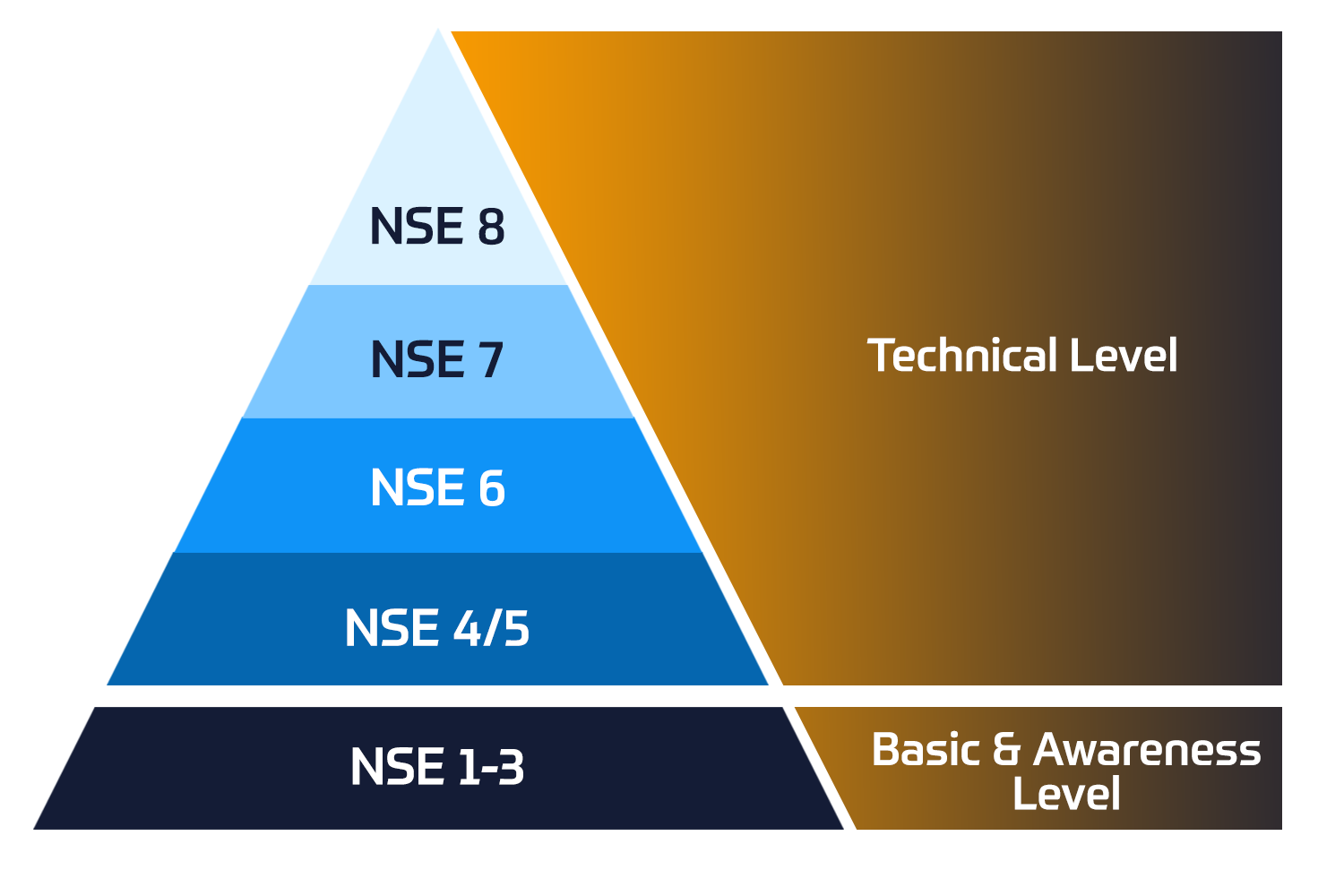
The evolution of Extreme Networks Technical Training provides a comprehensive progressive pathway from Associate to Professional accreditation.

View More Extreme Networks Training Partner
Extreme Networks Training Partner

ATP Accreditation

As an authorised training partner (ATP), Insoft Services ensures that you receive the highest standards of education available.

View More Extreme Networks Training Partner
Consultancy Services

What we do

Through our global presence and partner ecosystem, we provide strategic IT consulting services to align IT services with customers' business goals.

View More
Cisco Consultancy Services


We provide the highest level of expertise on Cisco consultancy services, that target audits of your current network and implementing updates for improved operational performance, secure data and compliant systems.

View More
Fortinet Consultancy Services


We provide the highest level of expertise on Fortinet consultancy services that target audits of your current network and implementing updates for improved operational performance, secure data and compliant systems.

View More
Extreme Networks Consultancy Services


Our team can help enterprises, get the most value from Extreme products and services following our predefined value-added packages or custom ones that fits business needs.


View More
TXOne Networks


TXOne Networks provides cybersecurity solutions that ensure the reliability and safety of ICS and OT environments through the OT zero trust methodology protecting assets for their entire life cycle.


View More
Insoft Services

About Us

Our training portfolio includes a wide range of IT training from IP providers, including Cisco, Extreme Networks, Fortinet, Microsoft, to name a few, in EMEA.

View More Insoft Services

Professional SQL Server High Availability and Disaster Recovery

Contact Us

We would love to hear from you. Please complete this form to pre-book or request further information about our delivery options.

Data Protection & Privacy

I consent to receive emails and/or calls from Insoft Services related to the Insoft Services´ products and services.
I acknowledge that my data will be collected and processed as described in the Insoft Services privacy policy.

Close

Professional SQL Server High Availability and Disaster Recovery

Enroll Now
Duration
3 Days
Delivery
(Online and onsite)
Price
Price Upon Request

The Professional SQL Server High Availability and Disaster Recovery training course explain the High Availability (HA) and disaster recovery technologies available in SQL Server: Replication, AlwaysOn, and Log Shipping.

In this course, you’ll learn what they are, how to monitor them, and how to troubleshoot any related problems. You will be introduced to the availability groups of AlwaysOn and learn how to configure them to extend your database mirroring. Through this course, you will be able to explore the technical implementations of high availability and disaster recovery technologies that you can use when you create a highly available infrastructure, including hybrid topologies.

You will be equipped with all that you need to know to develop a robust and high-performance infrastructure.

After completing this course, you will be able to:

  • Configure and troubleshoot replication, AlwaysOn, and log shipping
  • Study the best practices to implement HA and DR solutions
  • Design HA and DR topologies for the SQL Server and study how to choose a topology for your environment
  • Use T-SQL to configure replication, AlwaysOn, and log shipping
  • Migrate from on-premises SQL Server to Azure SQL Database
  • Manage and maintain AlwaysOn availability groups for extended database mirroring

Lesson 1: Getting Started with SQL Server HA and DR

  • What is High Availability and Disaster Recovery?
  • HA and DR Terminologies
  • SQL Server HA and DR Solutions
  • Introduction to SQL Server Replication
  • Types of Replication
  • Configuring Snapshot Replication Using SQL Server Management Studio
  • Optimizing Snapshot Replication

Lesson 2: Transactional Replication

  • Understanding Transactional Replication
  • Configuring Transactional Replication
  • Azure SQL Database as a Subscriber in Transaction Replication
  • Understanding Peer-To-Peer Transactional Replication
  • Configuring Peer-To-Peer Transactional Replication
  • Modifying an Existing Publication

Lesson 3: Monitoring Transactional Replication

  • The Replication Monitor
  • Real-World Transactional Replication Problems and Solutions
  • Conflicts in Peer-to-Peer Transactional Replication

Lesson 4: AlwaysOn Availability Groups

  • AlwaysOn Availability Group Concepts and Terminology
  • AlwaysOn Availability Groups
  • Creating Hyper-V VMs
  • Active Directory Domain Controller
  • Installing the SQL Server Developer Edition
  • Windows Server Failover Cluster
  • Configuring AlwaysOn Availability Groups
  • AlwaysOn Availability Groups on Microsoft Azure

Lesson 5: Managing AlwaysOn Availability Groups

  • AlwaysOn AG Failover
  • Managing AlwaysOn Availability Groups
  • Monitoring AlwaysOn Availability Groups
  • Troubleshooting AlwaysOn Availability Groups

Lesson 6: Configuring and Managing Log Shipping

  • Configuring Log Shipping
  • Managing and Monitoring Log Shipping
  • Troubleshooting Common Log Shipping Issues
  • Comparing AlwaysOn, Replication, and Log Shipping

This course is for you if you’re a database administrator or database developer who wants to improve the performance of your production environment.

Prior experience of working with SQL Server will help you get the most out of this course.


Hardware:

For the optimal student experience, we recommend the following hardware configuration:

  • Processor: 1.8 GHz or higher Pentium 4 (or equivalent)
  • Memory: 8 GB RAM
  • Hard disk: 200 GB free space
  • An internet connection

Software:

  • Operating System: Windows 8 or above
  • Internet Browser: Google Chrome (latest version)
  • An Azure subscription
  • SQL Server Management Studio 17.2 or above
  • PowerShell 5.1
  • SQL Server 2014 SP2 or above installed as named instance Server\SQL2014
  • SQL Server 2016 SP2 installed as named instance Server\SQL2016
The Professional SQL Server High Availability and Disaster Recovery training course explain the High Availability (HA) and disaster recovery technologies available in SQL Server: Replication, AlwaysOn, and Log Shipping. In this course, you'll learn what they are, how to monitor them, and how to troubleshoot any related problems. You will be introduced to the availability groups of AlwaysOn and learn how to configure them to extend your database mirroring. Through this course, you will be able to explore the technical implementations of high availability and disaster recovery technologies that you can use when you create a highly available infrastructure, including hybrid topologies. You will be equipped with all that you need to know to develop a robust and high-performance infrastructure.

After completing this course, you will be able to:

  • Configure and troubleshoot replication, AlwaysOn, and log shipping
  • Study the best practices to implement HA and DR solutions
  • Design HA and DR topologies for the SQL Server and study how to choose a topology for your environment
  • Use T-SQL to configure replication, AlwaysOn, and log shipping
  • Migrate from on-premises SQL Server to Azure SQL Database
  • Manage and maintain AlwaysOn availability groups for extended database mirroring

Lesson 1: Getting Started with SQL Server HA and DR

  • What is High Availability and Disaster Recovery?
  • HA and DR Terminologies
  • SQL Server HA and DR Solutions
  • Introduction to SQL Server Replication
  • Types of Replication
  • Configuring Snapshot Replication Using SQL Server Management Studio
  • Optimizing Snapshot Replication

Lesson 2: Transactional Replication

  • Understanding Transactional Replication
  • Configuring Transactional Replication
  • Azure SQL Database as a Subscriber in Transaction Replication
  • Understanding Peer-To-Peer Transactional Replication
  • Configuring Peer-To-Peer Transactional Replication
  • Modifying an Existing Publication

Lesson 3: Monitoring Transactional Replication

  • The Replication Monitor
  • Real-World Transactional Replication Problems and Solutions
  • Conflicts in Peer-to-Peer Transactional Replication

Lesson 4: AlwaysOn Availability Groups

  • AlwaysOn Availability Group Concepts and Terminology
  • AlwaysOn Availability Groups
  • Creating Hyper-V VMs
  • Active Directory Domain Controller
  • Installing the SQL Server Developer Edition
  • Windows Server Failover Cluster
  • Configuring AlwaysOn Availability Groups
  • AlwaysOn Availability Groups on Microsoft Azure

Lesson 5: Managing AlwaysOn Availability Groups

  • AlwaysOn AG Failover
  • Managing AlwaysOn Availability Groups
  • Monitoring AlwaysOn Availability Groups
  • Troubleshooting AlwaysOn Availability Groups

Lesson 6: Configuring and Managing Log Shipping

  • Configuring Log Shipping
  • Managing and Monitoring Log Shipping
  • Troubleshooting Common Log Shipping Issues
  • Comparing AlwaysOn, Replication, and Log Shipping

This course is for you if you’re a database administrator or database developer who wants to improve the performance of your production environment.

Prior experience of working with SQL Server will help you get the most out of this course.


Hardware:

For the optimal student experience, we recommend the following hardware configuration:

  • Processor: 1.8 GHz or higher Pentium 4 (or equivalent)
  • Memory: 8 GB RAM
  • Hard disk: 200 GB free space
  • An internet connection

Software:

  • Operating System: Windows 8 or above
  • Internet Browser: Google Chrome (latest version)
  • An Azure subscription
  • SQL Server Management Studio 17.2 or above
  • PowerShell 5.1
  • SQL Server 2014 SP2 or above installed as named instance Server\SQL2014
  • SQL Server 2016 SP2 installed as named instance Server\SQL2016