
 Finland
 Germany
 Denmark
 Sweden
 Italy
Italy Netherlands
 Norway


















14 September 2026
Introduction
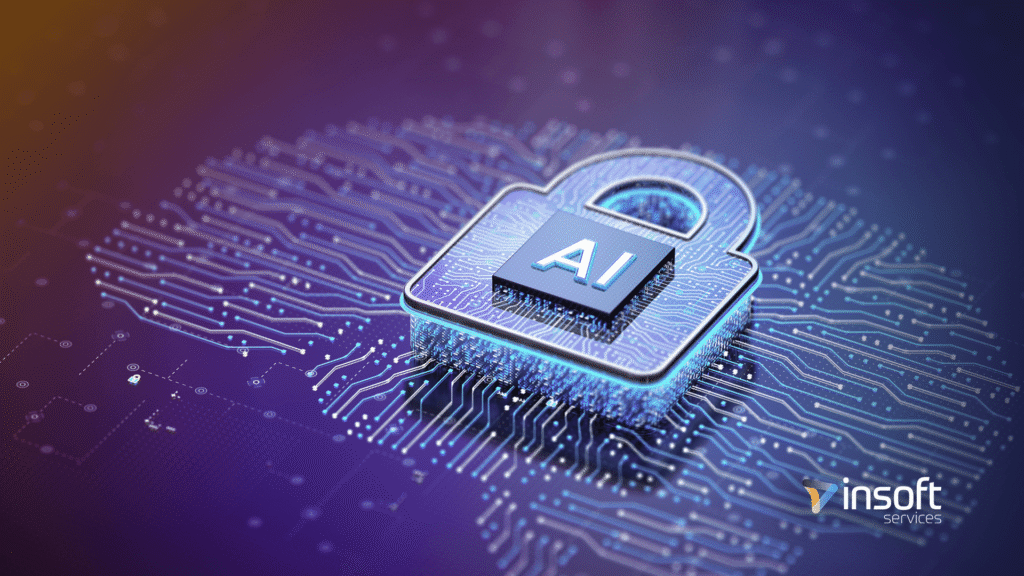
Artificial Intelligence (AI) is transforming network security by enabling real-time threat detection, predictive defense, and automated incident response. Organizations in Dhaka and around the world are leveraging AI to shift from reactive to proactive cybersecurity, reducing breach response times from weeks to mere hours.
Key Points of AI in Network Security
- AI enables systems to predict and prevent attacks by analyzing massive datasets in real time.
- AI differentiates normal behavior from suspicious activity, identifying subtle deviations such as unusual login times or abnormal traffic flows.
- AI-driven platforms can neutralize threats instantly, reducing the need for human intervention and minimizing potential damage.
- Machine learning models continuously evolve, improving their accuracy against emerging threats.
Key Benefits of AI in Network Security
- Identifies threats as they occur, helping prevent data exfiltration within hours instead of days.
- Forecasts potential attacks before they happen, strengthening an organization’s security posture.

Risks and Challenges
- Attackers can exploit AI models through poisoned data or adversarial inputs.
- Overly sensitive detection may overwhelm security analysts with excessive alerts.
- AI requires vast amounts of data, raising concerns about the exposure of sensitive information.
- Organizations need trained professionals to effectively manage AI-driven security systems.
Conclusion
AI is not a silver bullet, but it is a game-changer for network security. By combining AI with human expertise, organizations can achieve faster threat detection, smarter prevention, and greater resilience against cyber threats.
Tags:

No Comments