
 Finland
 Germany
 Denmark
 Sweden
 Italy
 Netherlands
 Norway

















Introduction
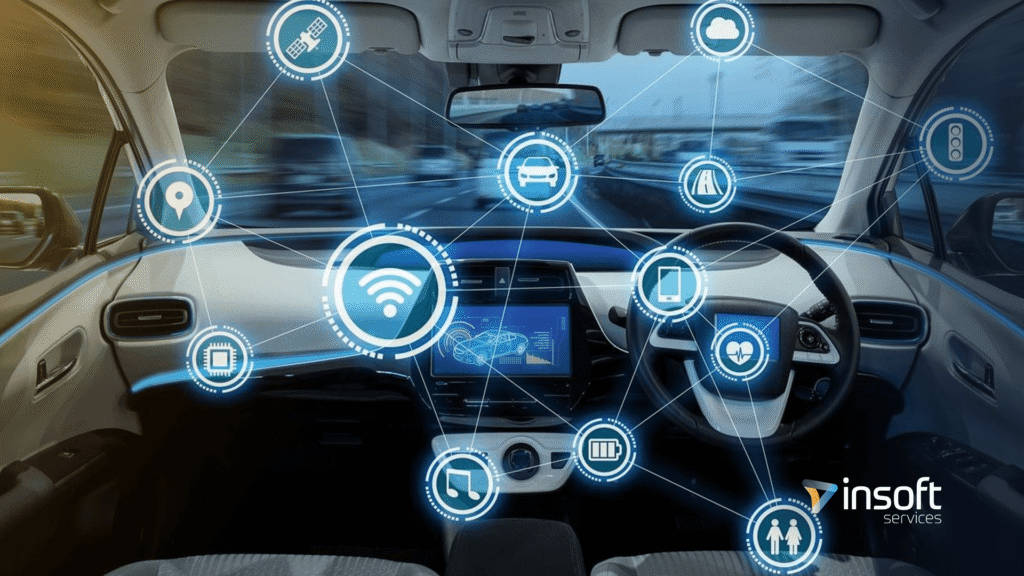
Not long ago, vehicles were largely mechanical machines whose performance depended on the engine, transmission, and the driver’s skill. Today, that landscape has changed dramatically. Modern vehicles are powered by sophisticated software, high-performance processors, multiple Electronic Control Units (ECUs), cloud connectivity, wireless communications, and intelligent features that were once considered futuristic.
This technological evolution has transformed the driving experience by making vehicles more convenient, efficient, and safer than ever before. Drivers can access real-time navigation, monitor vehicle health remotely, unlock their vehicles through mobile applications, and receive software updates without visiting a dealership. Advanced Driver Assistance Systems (ADAS) continue to improve road safety, while connected services deliver greater convenience and a more personalized driving experience.
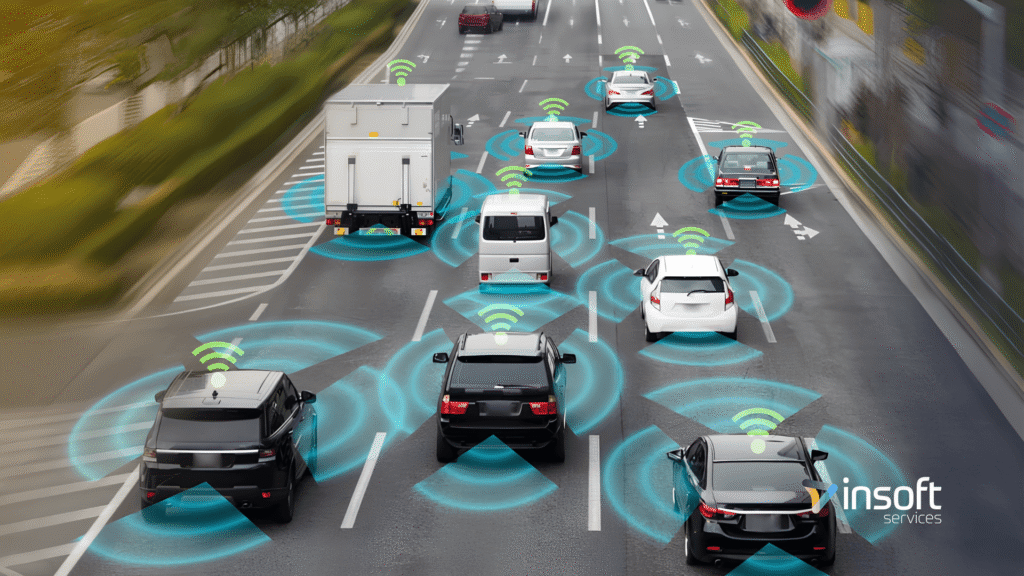
Behind every one of these innovations is a critical requirement: security.
As vehicles become more connected and software-driven, they also present a larger digital attack surface. Wireless interfaces, communication protocols, cloud platforms, and connected applications all require strong protection against cyber threats. Although manufacturers invest heavily in securing these technologies, cybersecurity is not a one-time task—it is a continuous effort that extends throughout the vehicle’s operational life.
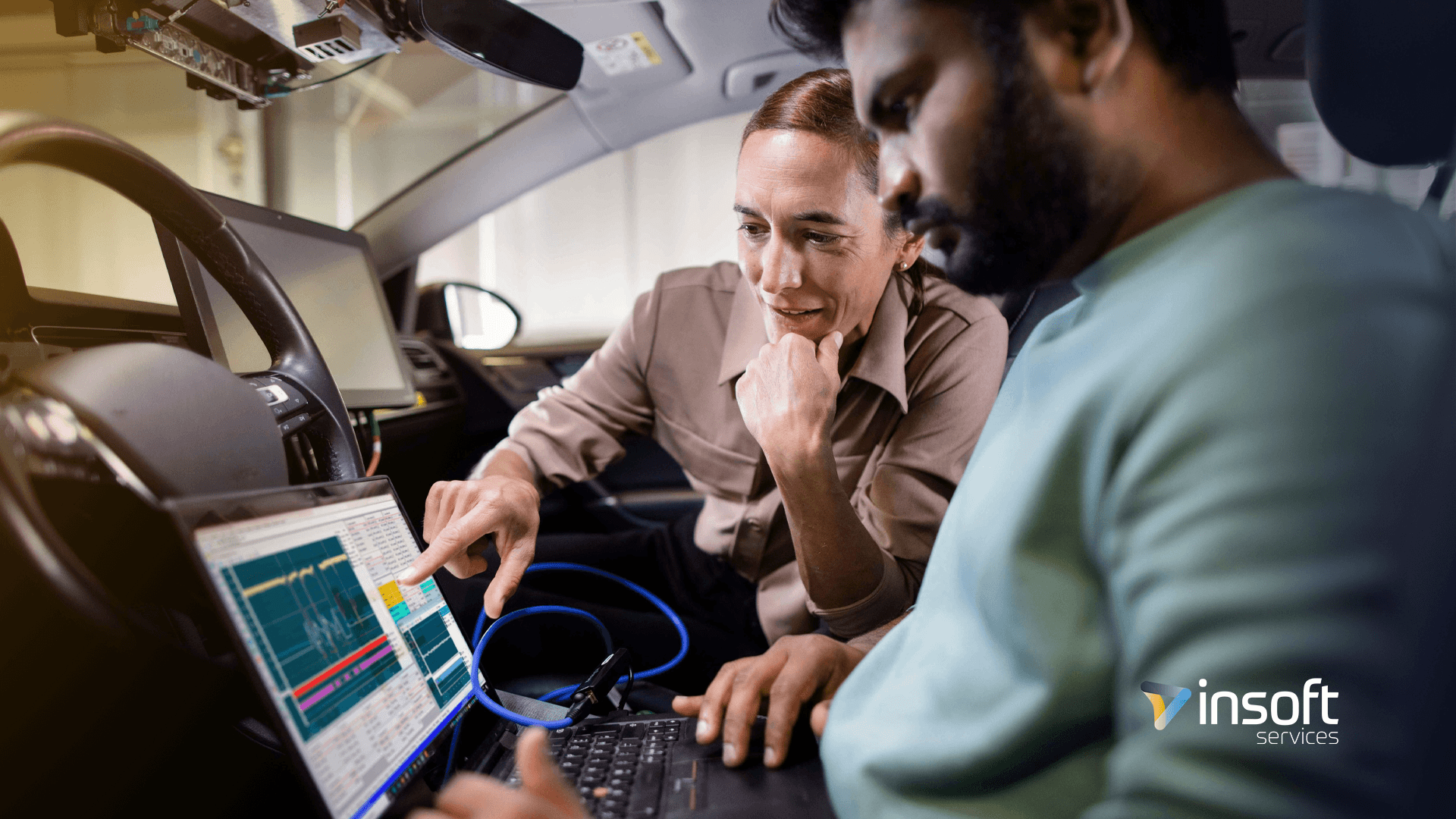
One of the greatest challenges in automotive cybersecurity is managing increasingly complex software environments. A modern vehicle may contain hundreds of software components operating across multiple communication networks. These systems control essential functions such as braking, steering, battery management, infotainment, and external communications. Protecting this interconnected environment requires careful design, comprehensive testing, continuous monitoring, and ongoing security improvements.
Multiple technologies work together to strengthen vehicle security. Secure boot verifies that only trusted software is allowed to run during system startup. Encryption protects sensitive information while it is stored or transmitted, while authentication mechanisms confirm the identity of users and connected devices before access is granted. Intrusion Detection Systems (IDS) monitor network activity for suspicious behavior, and Hardware Security Modules (HSMs) securely store cryptographic keys and perform sensitive security operations.
Another essential element of automotive cybersecurity is vulnerability management. As technology advances, new security risks continue to emerge. Manufacturers routinely perform vulnerability assessments, conduct penetration testing, monitor security advisories, and deliver Over-the-Air (OTA) software updates to strengthen vehicle protection. The ability to deploy security updates remotely has become one of the most effective ways to maintain vehicle security throughout its lifecycle.
Protecting connected vehicles is also a shared responsibility across the automotive ecosystem. Manufacturers collaborate with Tier-1 suppliers, semiconductor companies, software developers, cloud service providers, and cybersecurity specialists to improve the resilience of modern vehicles. By working together, these stakeholders can identify risks earlier, exchange expertise, and establish stronger security practices throughout the supply chain.
Drivers also contribute to vehicle security. Keeping software up to date, installing only trusted mobile applications, securing connected accounts with strong passwords, and avoiding unauthorized software modifications are simple but effective measures that help reduce cybersecurity risks.
Looking ahead, the automotive industry will continue to embrace electric vehicles (EVs), autonomous driving, Vehicle-to-Everything (V2X) communication, intelligent charging infrastructure, and smart transportation systems. These technologies depend on constant communication between vehicles, infrastructure, cloud platforms, and connected devices, making secure data exchange more important than ever.
As software becomes the foundation of modern mobility, cybersecurity is no longer simply a technical feature hidden behind the dashboard. It has become a fundamental element of vehicle quality, operational reliability, and customer confidence. The future of transportation will undoubtedly be more connected and intelligent, and ensuring its security will remain one of the automotive industry’s most important priorities.

No Comments