
 Finland
 Germany
 Denmark
 Sweden
 Italy
Italy Netherlands
 Norway














Why the future of networking isn’t just connected—it’s cognitive.
If you’ve been managing networks for more than a decade, you probably remember when “network visibility” meant staring at a syslog server and hoping nothing turned red. Today, that approach is no longer enough.
With hybrid workforces, expanding IoT environments, and increasingly sophisticated AI-driven cyber threats, modern networks have become too complex to manage manually. We’ve moved beyond basic automation and entered the era of AI-driven networking.
At the center of this transformation is the Fortinet Security Fabric. It’s no longer just about deploying firewalls—it’s about creating a unified, intelligent ecosystem where networking and security work together to detect, adapt, and respond automatically.
Here’s how AI is transforming the Fortinet Security Fabric from a traditional security platform into an intelligent, adaptive nervous system.
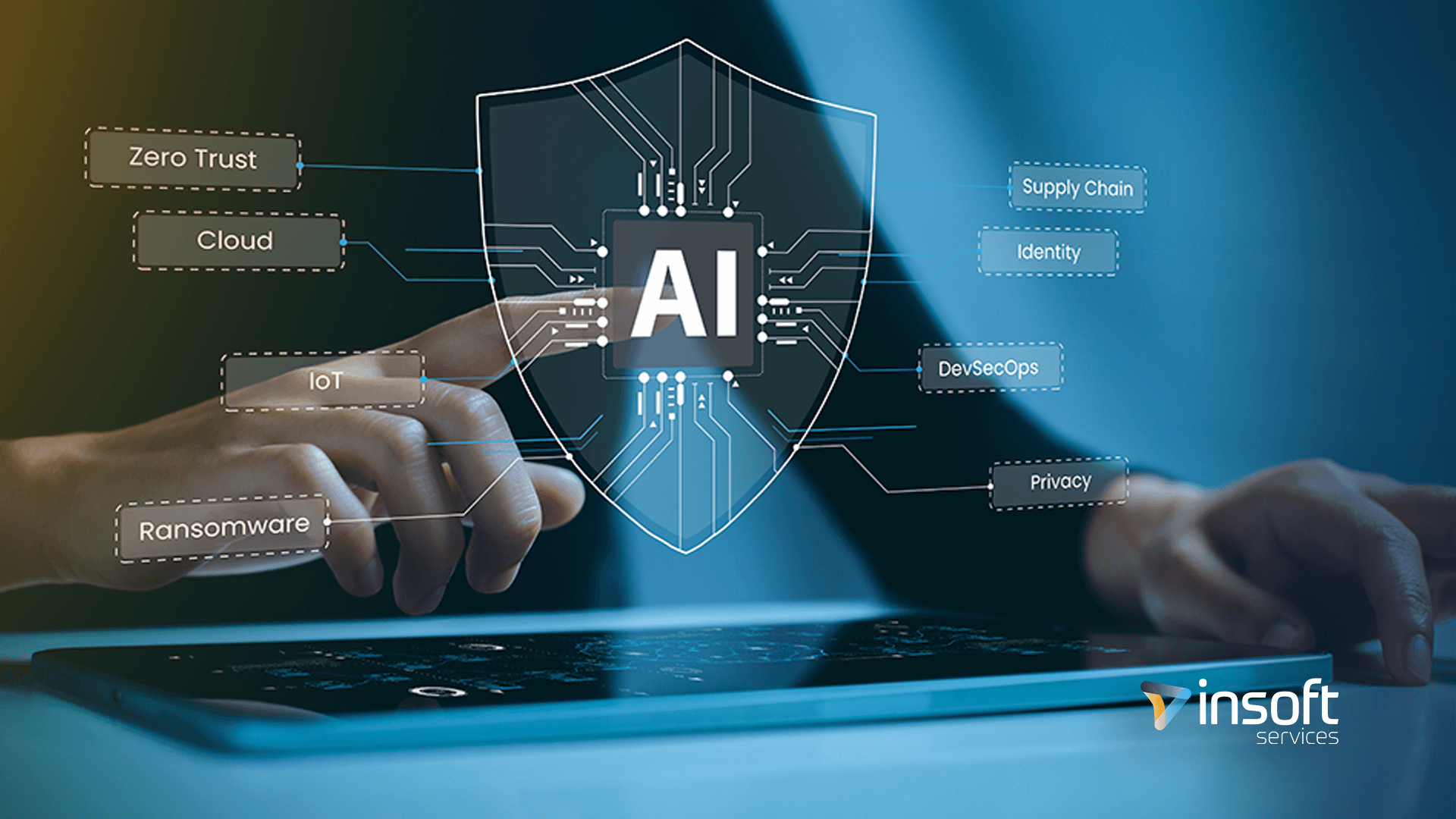
1. AIOps: From Reactive to Predictive
The days of waiting for users to report problems or relying solely on support tickets are fading. FortiAIOps uses Artificial Intelligence (AI) and Machine Learning (ML) to analyze network telemetry, logs, and user activity, helping IT teams identify and resolve issues before they impact business operations.
Self-Healing Networks
AI continuously monitors network performance and detects anomalies such as unexpected SD-WAN performance degradation or unusually high wireless latency. It can automatically recommend corrective actions—or even remediate issues—before users notice a problem.
Digital Experience Monitoring (DEM)
Modern IT is no longer limited to checking whether a device is online. AI evaluates the actual user experience by correlating network performance with application responsiveness, ensuring employees enjoy reliable collaboration and productivity.
2. AI-Powered Protection with FortiGuard Security Services
Cybercriminals are increasingly using AI to create more evasive malware and launch attacks at unprecedented speed. Defending against machine-powered threats requires equally intelligent security.
Fortinet’s FortiGuard Labs continuously analyzes billions of threat events worldwide, enabling the Security Fabric to deliver proactive protection.
Real-Time Threat Prevention
AI and ML help detect and block emerging threats, including many zero-day attacks, without relying solely on traditional signature updates.

Intelligent Threat Hunting
Rather than manually reviewing massive volumes of logs, security analysts receive AI-driven insights that identify suspicious behavior and hidden attack patterns across endpoints, cloud environments, and network infrastructure.
3. A True Single Pane of Glass
Complexity remains one of the biggest challenges in cybersecurity. Organizations often manage separate platforms for Wi-Fi, switching, SD-WAN, firewalls, and cloud security—creating operational silos and reducing visibility.
Fortinet addresses this challenge through its integrated Security Fabric and Cybersecurity Mesh Architecture. Because FortiGate, FortiSwitch, FortiAP, and other Fortinet solutions operate on the common FortiOS platform, AI gains a comprehensive view of the entire environment instead of fragmented pieces.
This unified visibility enables faster detection, better policy enforcement, and more effective automated responses.
4. Delivering Measurable Business Value
AI-powered networking isn’t simply a technology trend—it delivers tangible operational benefits.
- Reduced Alert Fatigue – AI filters out false positives, allowing security teams to focus on genuine threats.
- Faster Mean Time to Resolution (MTTR) – Automated diagnostics and intelligent recommendations significantly shorten troubleshooting time.
- Lower Operational Costs – Consolidating networking and security into a single integrated platform helps reduce licensing, management, and operational expenses.
Conclusion
Modern networks are no longer designed simply to move data from one point to another. They are evolving into intelligent platforms capable of learning, adapting, and defending themselves against constantly changing threats.
If your IT team is still manually correlating logs across multiple vendor dashboards, you’re spending valuable time on tasks that AI can already perform more efficiently.
By embracing AI-driven networking with the Fortinet Security Fabric, organizations can improve visibility, strengthen security, simplify operations, and allow IT teams to focus on innovation rather than repetitive troubleshooting.

No Comments