
 Finland
 Germany
 Denmark
 Sweden
 Italy
Italy Netherlands
 Norway














Introduction
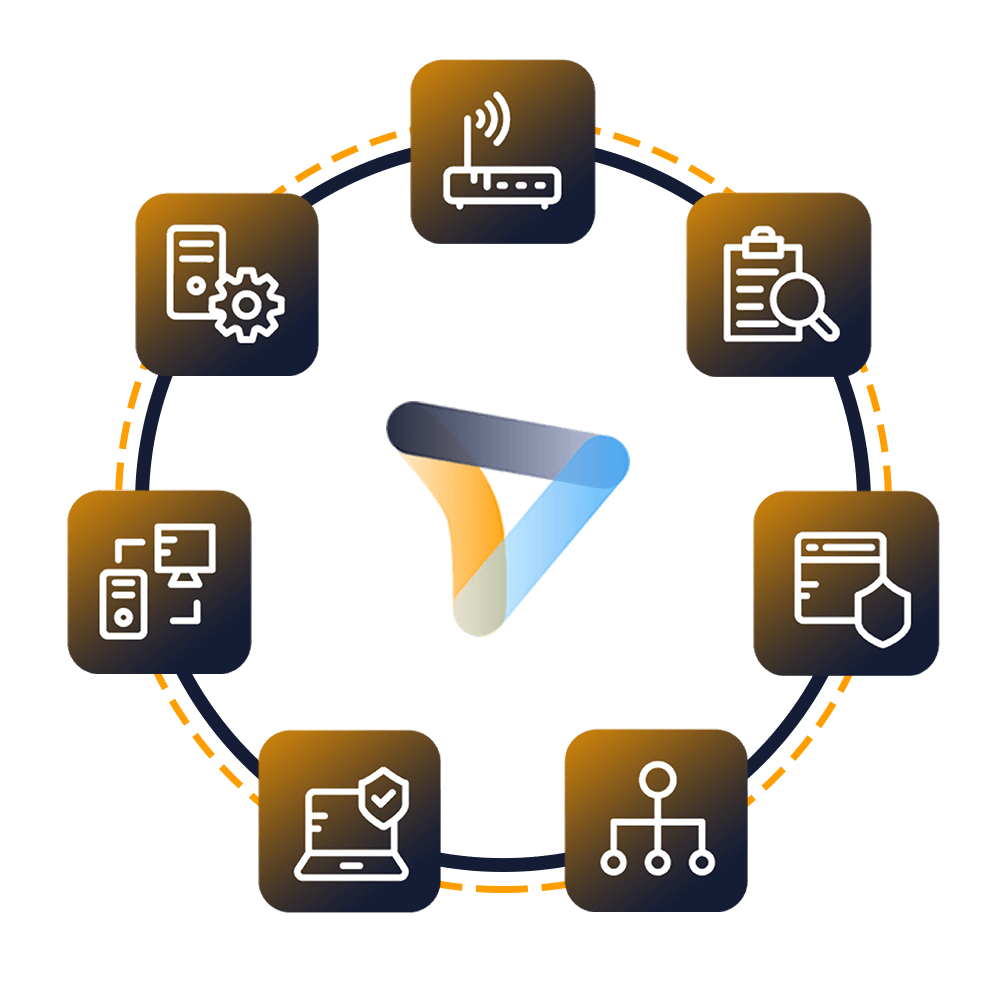
In today’s hyperconnected world, organizations rely on dozens—sometimes hundreds—of security tools to protect their networks, data, and users. Firewalls, endpoint protection, identity management, cloud security, SIEM platforms, threat intelligence feeds, and email security solutions often come from different vendors. This approach is known as multi-vendor cybersecurity.
Key Challenges
Depending on a single vendor increases concentration risk. If that vendor experiences an outage, vulnerability, or breach, the entire security stack may be affected. A multi-vendor approach distributes risk across multiple providers, improving resilience.

Cybersecurity works best when implemented in layers. Different security tools monitor different attack surfaces and can detect threats that others may miss, improving overall visibility and resilience. Organizations can choose solutions that align with their infrastructure, compliance requirements, and budget. They can also replace underperforming products without overhauling the entire environment.
Best Practices
Define your security objectives, risk profile, and required capabilities before selecting security tools. Avoid purchasing overlapping products without a clear purpose. Choose vendors with strong API support and prebuilt integrations. A SIEM or XDR platform can help centralize telemetry and correlate events across multiple tools.

While vendor diversity is valuable, too many vendors can create unnecessary complexity. Standardize on a manageable number of strategic platforms and use specialized tools only where they provide clear value. Technology alone is not enough. Security teams need the expertise to manage integrations, interpret alerts, and coordinate incident response across multiple platforms.
Risks and Challenges
Different security tools may use different data formats, APIs, and management consoles. Integrating them into a cohesive workflow can require significant effort. Multiple tools may also generate overlapping or duplicate alerts, overwhelming security teams and making it more difficult to prioritize genuine threats. Managing licenses, software updates, policies, and support contracts across multiple vendors increases administrative overhead and may require specialized expertise.
Conclusion
Multi-vendor cybersecurity offers organizations the flexibility, resilience, and specialized protection needed to defend against modern threats. By combining best-of-breed solutions across network, endpoint, identity, cloud, and monitoring layers, organizations can build a stronger and more adaptable security posture. However, success depends on careful planning, strong integration, centralized visibility, and skilled operations. A successful multivendor cybersecurity strategy requires careful planning and seamless integration rather than simply assembling a collection of disconnected security tools.

No Comments