
 Finland
 Germany
 Denmark
 Sweden
 Italy
Italy Netherlands
 Norway















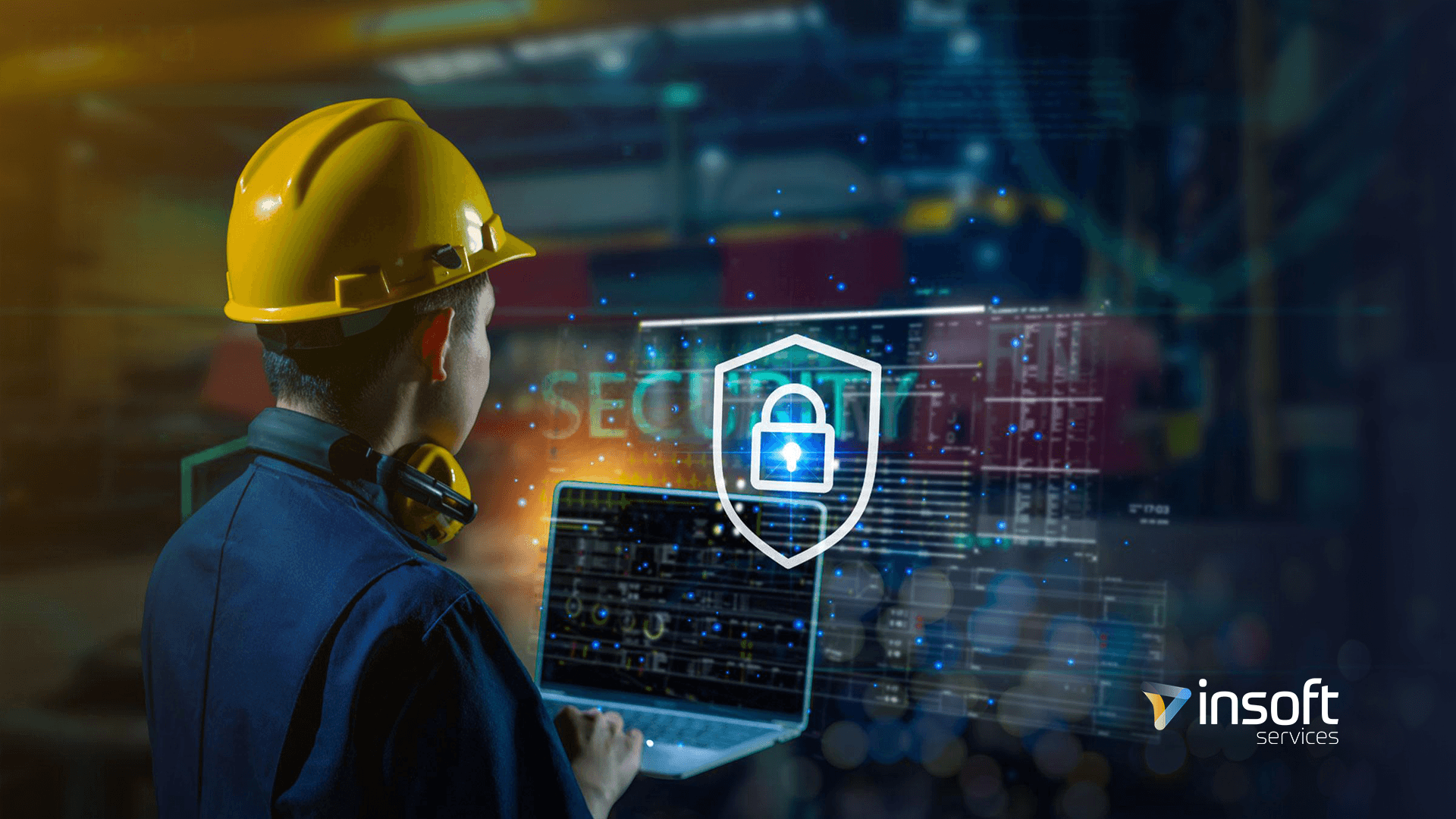
Operational Technology (OT) environments were never designed with modern cyber threats analysis, yet today they sit directly in the track of increasingly sophisticated attacks. From manufacturing lines to power distribution systems, the need to secure OT Networks has moved from a niche concern to a business-critical priority. This is where FortiGate plays a meaningful role.
Unlike traditional IT networks, OT environments depend on stability and uptime above all else. A minor disruption can halt production, impact safety, or cause significant financial loss. Because of this, security solutions must be precise, non-intrusive, and deeply aware of industrial protocols. FortiGate addresses this challenge by combining network security with visibility tailored to industrial control systems.
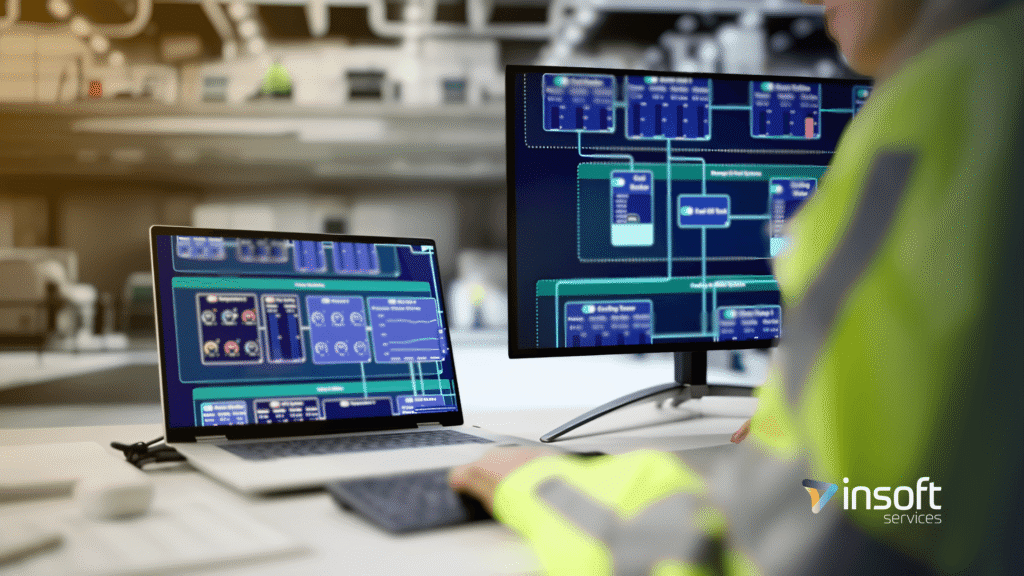
One of the key strengths of FortiGate in OT security lies in its ability to understand and control industrial traffic. Protocols such as Modbus, DNP3, and OPC are commonly used in OT environments, and they require more than basic firewall rules. With deep packet inspection for these protocols, FortiGate enables organizations to enforce granular policies, ensuring that only legitimate commands are allowed between systems.
Segmentation is another area where FortiGate becomes essential. Flat OT networks are a common weakness, often allowing threats to move laterally once they gain access. By implementing secure zones and controlling communication between them, FortiGate helps contain potential incidents. This approach aligns well with industry frameworks that recommend separating IT and OT environments while still enabling controlled interaction.
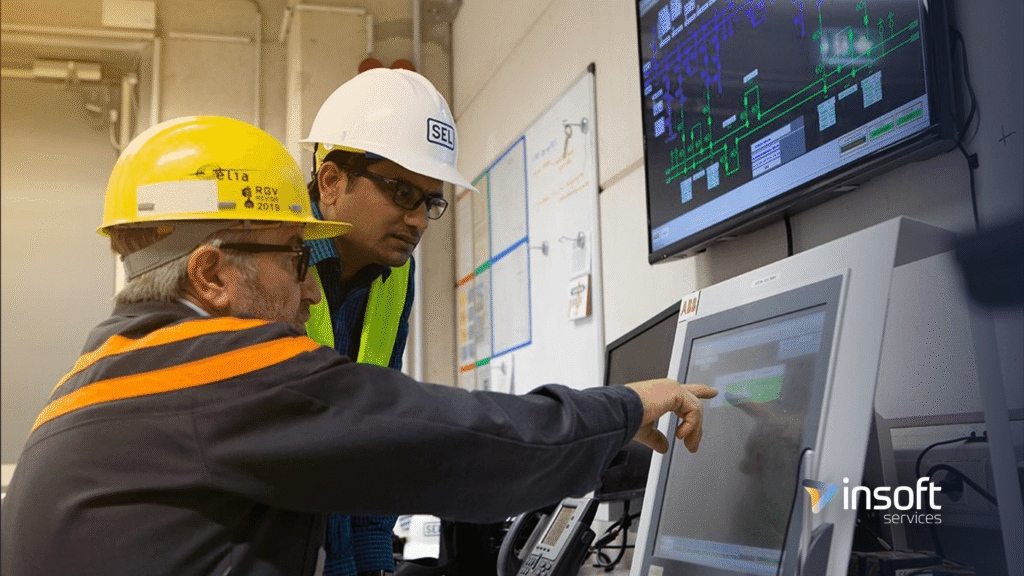
Visibility is often overlooked, yet it is critical to OT security. Many organizations do not have a clear understanding of the devices connected to their industrial networks. FortiGate, when integrated with broader security tools, can help identify assets, monitor behavior, and detect anomalies without disrupting operations. This level of insight enables teams to move from a reactive to a proactive security posture.
Another important factor is secure remote access. Maintenance teams, vendors, and engineers frequently need to access OT systems from outside the network. Without proper controls, this can become a major entry point for attackers. FortiGate enables secure VPN access with strong authentication and policy enforcement, reducing the risks associated with remote connectivity.
What makes OT security challenging is not just the technology, but also the coordination required between teams. IT and OT teams often operate separately, with different priorities and perspectives. FortiGate provides common ground by offering centralized management and consistent policy enforcement across both environments. This helps bridge the gap and supports a more unified security strategy.
As cyber threats continue to evolve and increasingly target critical infrastructure and industrial systems, relying on outdated or fragmented security approaches is no longer viable. FortiGate offers a practical path forward by combining performance, visibility, and control in a way that respects the unique requirements of OT environments.


No Comments