
 Finland
 Germany
 Denmark
 Sweden
 Italy
 Netherlands
 Norway
















Introduction
For decades, the automotive industry has measured success through engineering excellence, manufacturing capabilities, and vehicle performance. Companies have invested heavily in building reliable engines, improving fuel efficiency, enhancing safety, and refining driving comfort. While these factors continue to matter, they are no longer the only drivers of innovation. Today, software is becoming a defining element in how vehicles are developed, experienced, and continuously improved.
The emergence of Software-Defined Vehicles represents one of the most significant transformations the automotive industry has experienced. It reflects a shift from viewing a vehicle as a finished product to treating it as a continuously evolving digital platform. This change is influencing not only how vehicles operate but also how automotive companies create value, interact with customers, and compete in an increasingly connected world.
Traditionally, the relationship between an automaker and its customers was relatively straightforward. A customer purchased a vehicle, visited the dealership for scheduled maintenance, and eventually replaced the vehicle after several years. Apart from occasional service appointments, there was limited interaction between the manufacturer and the vehicle owner.
Software-Defined Vehicles are changing this dynamic. Modern vehicles can remain connected throughout their lifecycle, allowing manufacturers to maintain an ongoing relationship with customers. Every software update, feature enhancement, and digital service provides another opportunity to improve the ownership experience while strengthening customer engagement.
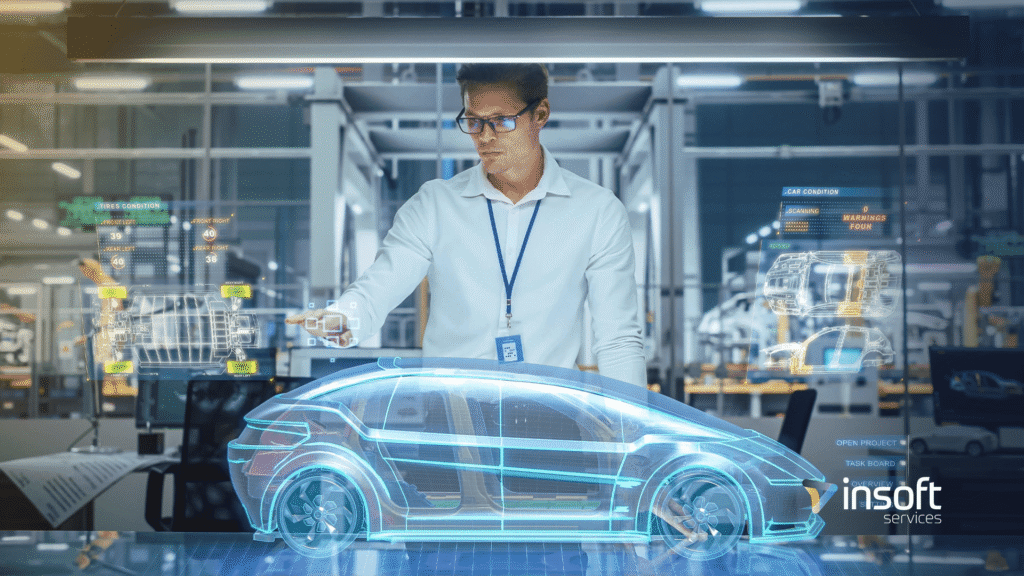
This continuous connection is creating entirely new business opportunities for automakers. Instead of relying solely on vehicle sales, companies can generate recurring revenue through digital services and software-enabled features. Customers may choose to subscribe to advanced navigation, premium entertainment systems, enhanced driver assistance capabilities, remote vehicle management, or performance upgrades based on their individual requirements.
The shift toward Software-Defined Vehicles is also changing how vehicles are engineered. In the past, different vehicle systems often operated independently. The engine, braking system, infotainment, climate control, and safety functions were typically managed by separate electronic control units developed by different suppliers. While this architecture served the industry for many years, it also introduced complexity and limited the ability to deliver rapid improvements.
The impact extends far beyond engineering teams. Product development cycles are becoming faster and more agile. Instead of waiting years to introduce improvements with a new vehicle model, manufacturers can deploy software updates much more frequently. This allows companies to respond more quickly to customer feedback, address software issues, improve performance, and introduce innovative features without requiring physical modifications.
Predictive maintenance is one example of how software is transforming customer service. Rather than waiting for a mechanical failure to occur, intelligent systems can identify early signs of component wear and notify drivers before a problem becomes serious. This can reduce unexpected breakdowns, minimize repair costs, and improve overall vehicle reliability.
Fleet operators are also benefiting from Software-Defined Vehicles. Companies managing hundreds or thousands of vehicles can remotely monitor vehicle health, optimize maintenance schedules, improve fuel or energy efficiency, and deploy software updates across entire fleets without disrupting daily operations. These capabilities can translate directly into lower operating costs and improved productivity.
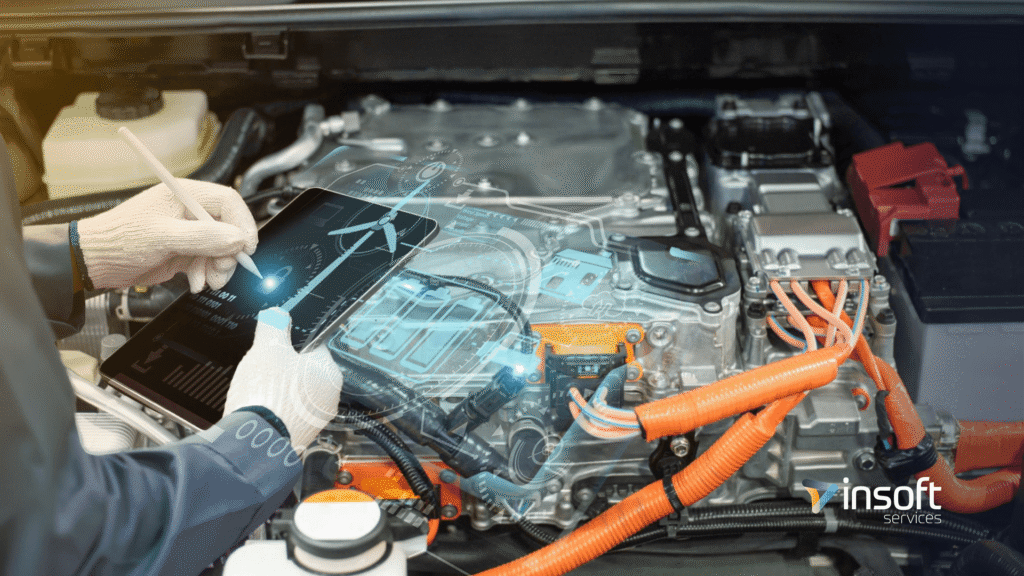
As the automotive industry becomes increasingly digital, cybersecurity has become a strategic priority rather than a technical afterthought. Connected vehicles must be protected against unauthorized access, software vulnerabilities, and evolving cyber threats. Manufacturers are investing heavily in secure software development practices, encryption technologies, continuous monitoring, and rapid update mechanisms to protect vehicle safety and maintain customer trust.
This transformation is also reshaping workforce requirements across the automotive sector. Software engineers, cloud architects, cybersecurity specialists, artificial intelligence experts, and data scientists now play an increasingly important role in vehicle development. Collaboration between traditional automotive engineering teams and software professionals has become essential for delivering next-generation mobility solutions.
Electric vehicles are accelerating this transition because many of their core functions depend heavily on software. Battery management, charging optimization, thermal control, regenerative braking, and energy efficiency all require intelligent software systems to work together seamlessly. As electric mobility continues to expand globally, software will become even more critical to delivering better performance and extending vehicle lifespans.
Companies that embrace this transformation are positioning themselves to deliver more than transportation. They are creating intelligent mobility platforms capable of evolving alongside customer expectations and technological progress. For drivers, this means owning vehicles that can improve over time rather than gradually becoming outdated. For manufacturers, it represents an opportunity to build stronger customer relationships, develop new business models, and lead the next generation of automotive innovation.
Software-Defined Vehicles are not simply changing how cars function. They are redefining what it means to build, own, and experience a vehicle in a digital world. As software becomes a driving force behind automotive innovation, the future of mobility will be shaped as much by code as it is by engineering.

No Comments