
 Finland
 Germany
 Denmark
 Sweden
 Italy
Italy Netherlands
 Norway


















The conversation surrounding electric vehicles (EVs) has evolved significantly. While performance, battery range, and sleek designs continue to capture attention, a much larger transformation is taking place behind the scenes: the rapid global deployment of intelligent EV charging networks built to support the growing number of electric vehicles on the road.
Today’s charging stations have progressed far beyond simple electrical outlets. They are now intelligent, connected edge devices that communicate with cloud platforms, utility providers, and the power grid in real time. This transformation is creating a multi-billion-dollar market opportunity. For technology companies, the greatest potential lies not only in manufacturing electric vehicles but also in delivering the networking and cybersecurity technologies that keep the entire charging ecosystem secure, reliable, and efficient.
The Massive Infrastructure Buildout: More Than Just Charging Stations
EV charging infrastructure is expanding at an unprecedented rate, forming a highly connected ecosystem that spans residential homes, commercial fleets, public charging locations, and utility networks.
Modern charging stations function as sophisticated digital platforms equipped with capabilities such as:
- Intelligent Power Management: Dynamically allocates electricity based on real-time grid demand, charging priorities, and fluctuating energy prices.
- Vehicle-to-Grid (V2G) Technology: Allows electric vehicles to return stored energy to the grid during periods of peak demand, effectively turning vehicles into distributed energy resources.
- Advanced Backend Platforms: Manage payments, monitor battery health, enable predictive maintenance, support fleet operations, and provide customer-facing services.
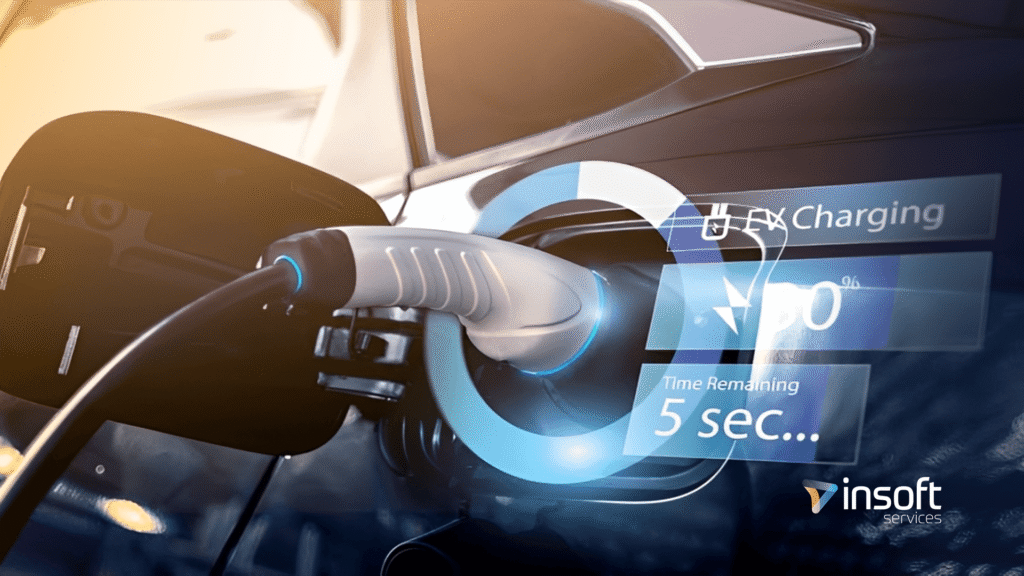
Every one of these functions depends on reliable, high-quality connectivity. When communications are disrupted, charging services may become unavailable, transactions can fail, and operational visibility is reduced. Reliable networking has therefore become the foundation of the entire EV charging ecosystem.
The Critical Convergence of IT and OT
EV charging infrastructure occupies a unique position because it connects information technology (IT), operational technology (OT), and electric vehicles within a single environment. While this integration enables smarter operations, it also significantly expands the potential attack surface.
Unlike a traditional corporate IT breach, which often results in data loss, a successful cyberattack against an EV charging network could cause localized power disruptions, widespread billing fraud, ransomware attacks on commercial fleets, or coordinated service outages affecting thousands of users.
Cybersecurity is no longer an optional feature—it is a business-critical requirement. As EV charging networks continue to expand, operators increasingly view advanced security capabilities as a key factor when evaluating technology vendors and infrastructure partners.

A High-Growth Opportunity for Technology Providers
The continued expansion of EV charging infrastructure presents significant business opportunities for networking vendors and cybersecurity providers.
1. Advanced Networking and Interoperability
As the industry embraces standards, demand continues to rise for intelligent networking solutions, including:
- Local Load Balancing: Edge-based systems that intelligently distribute available power across multiple charging stations while minimizing dependence on constant cloud connectivity.
- Highly Reliable Connectivity: Resilient 4G, 5G, mesh networking, and hybrid network architectures capable of maintaining uninterrupted service in challenging environments such as underground parking structures, highways, and remote locations.
2. Advanced IT/OT Cybersecurity
Protecting EV charging infrastructure requires the combination of enterprise-grade cybersecurity practices with industrial control system security. Key areas of growth include:
- Public Key Infrastructure (PKI) and Strong Encryption: End-to-end Transport Layer Security (TLS) encryption protects communications between vehicles, charging stations, and central management platforms.
- AI-Enhanced Threat Detection: Machine learning running at the edge continuously analyzes network activity to detect suspicious behavior, including attempted billing fraud, abnormal device communications, and other potential cyber threats before they spread throughout the charging network or reach the utility grid.
- Secure Boot and Zero Trust Architecture: Hardware- and firmware-based security mechanisms verify the integrity of every component before execution, helping prevent tampering, supply chain attacks, and unauthorized access.
EV Charging Infrastructure Security Overview
| Security Layer | What It Protects | Primary Opportunity Area |
| Network Segmentation | Charging operations, corporate networks, and grid substations | Next-generation firewalls, secure gateways, and automated threat response |
| Identity & Access Management | Vehicles (Plug & Charge), users, and charging applications | Digital certificates, cryptographic authentication, and Hardware Security Modules (HSMs) |
| Firmware Integrity | Charging hardware, controllers, and power electronics | Secure over-the-air updates with integrity verification and rollback capabilities |
Looking Ahead
The rapid expansion of EV charging infrastructure is transforming not only transportation but also the future of industrial networking and critical infrastructure security. The organizations that succeed will be those that look beyond building faster or more affordable charging stations. Instead, they will distinguish themselves by delivering secure, resilient, and intelligent connectivity across the entire charging ecosystem.
For networking and cybersecurity providers, the EV market represents one of the most promising technology opportunities of the decade. The race to build the next generation of charging infrastructure is already underway, and the companies that combine resilient networking with robust cybersecurity will help define the future of connected mobility.


No Comments