
 Finland
 Germany
 Denmark
 Sweden
 Italy
Italy Netherlands
 Norway














Introduction
In today’s business environment, Information Technology (IT) has evolved from a supporting function into a key driver of organizational success. Whether through cloud computing, artificial intelligence, or automated supply chains, businesses increasingly rely on digital infrastructure to remain competitive and achieve sustainable growth. Effective IT governance ensures that technology investments support innovation and business expansion while minimizing operational and security risks.
Pillars of IT Governance
Strategic Alignment
IT should operate in close alignment with the organization’s overall business strategy. Strategic alignment ensures that when a company adapts to market changes, expands its operations, or pursues new opportunities, its infrastructure, applications, and technical capabilities are fully prepared to support those objectives.
Value Delivery
Technology initiatives often require significant financial and operational investment. Effective IT governance helps ensure that projects are delivered on time, remain within budget, and produce the business value expected during the planning and approval process.
Risk Management
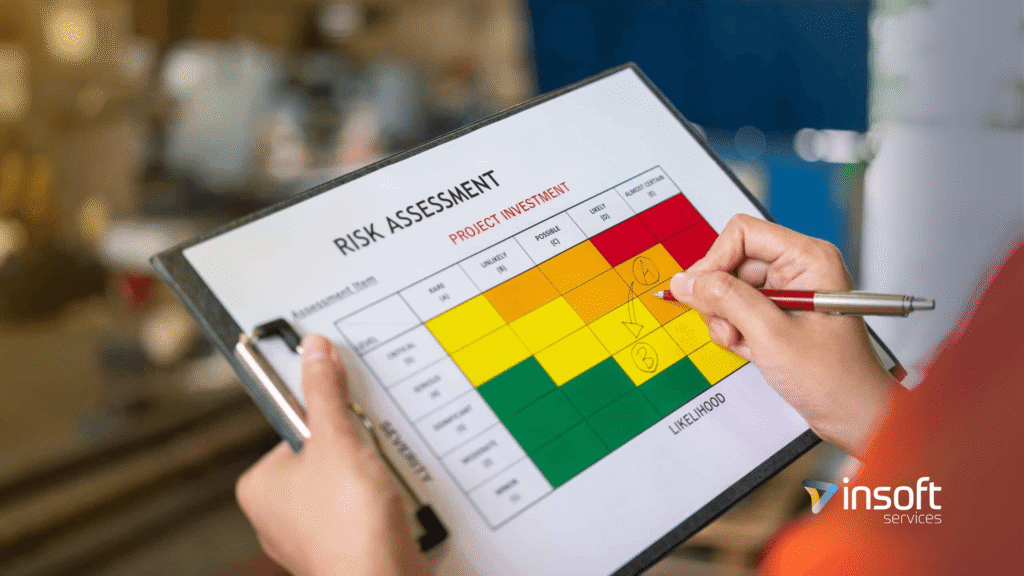
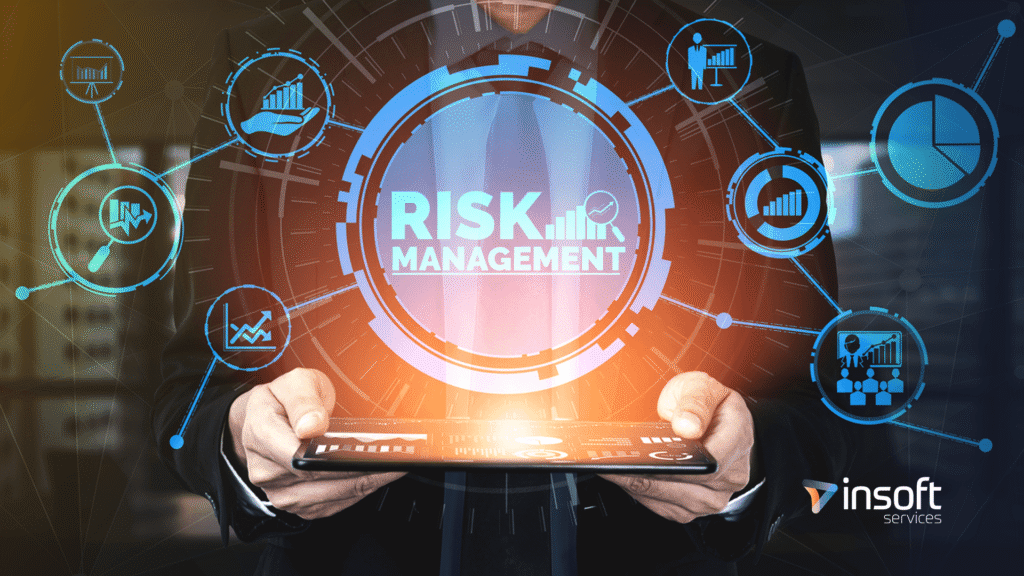
With cyberattacks, data breaches, and system outages becoming increasingly common, organizations must be prepared to manage digital risks proactively. IT governance establishes clear processes to identify, assess, and mitigate potential threats before they disrupt operations or affect the organization’s reputation.
Why IT Governance Matters
Without a structured IT governance framework, organizations are more likely to experience operational inefficiencies, security vulnerabilities, and compliance issues. Clearly defined policies, standardized procedures, and consistent oversight help ensure that security updates are applied promptly, access controls are properly enforced, and regulatory requirements are continuously maintained.
Conclusion
IT governance provides the structure and oversight organizations need to adopt technology with confidence while maintaining security, efficiency, and accountability. By aligning technology initiatives with strategic business objectives, organizations can maximize the value of their IT investments, strengthen operational resilience, and position IT as a strategic contributor to long-term business success.


No Comments