
 Finland
 Germany
 Denmark
 Sweden
 Italy
Italy Netherlands
 Norway

















Consider how much trust we place in today’s vehicles. We rely on automated braking systems, adaptive cruise control, and connected navigation without a second thought. Behind these conveniences lies a complex network of IoT devices working together seamlessly. However, with this convenience comes a critical responsibility: safeguarding these systems.

Automation in automotive systems reduces human error, but it also increases dependence on software and connectivity. A single vulnerability in an IoT module can cascade across multiple vehicle functions. This is why automotive cybersecurity has become a top priority across the industry.
One of the greatest challenges is managing the lifecycle of connected vehicles. Unlike smartphones, vehicles remain in service for many years. Ensuring long-term security requires planning for software updates, maintaining system compatibility, and protecting legacy platforms from emerging threats.
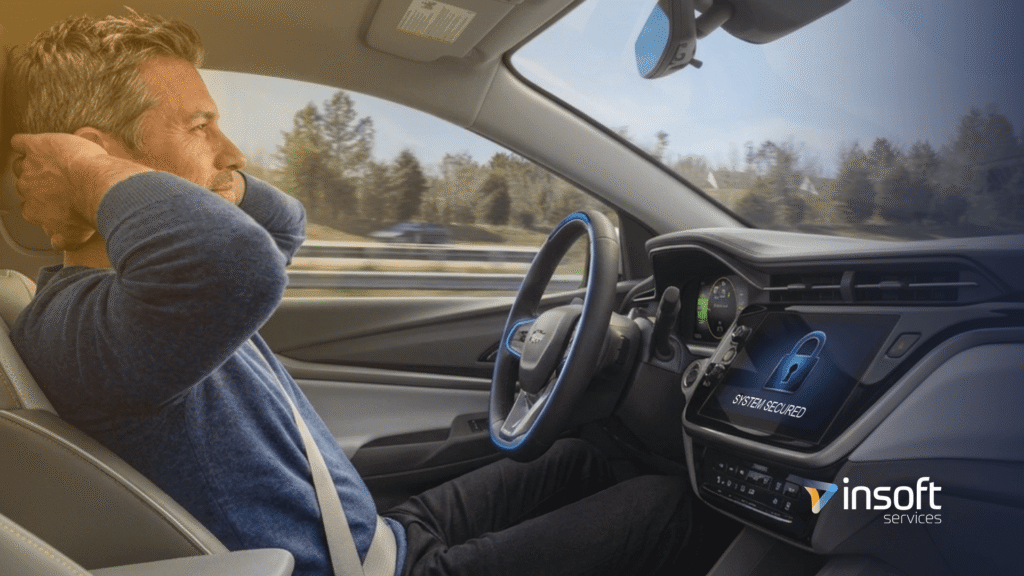
There is also a growing need for real-time threat detection. Vehicles must be capable of identifying anomalous behavior and responding instantly. This is where intelligent security systems, machine learning, and predictive analytics play a critical role.
Ultimately, security in automotive IoT is not only about preventing attacks. It is also about building confidence. When users trust the technology, adoption increases, and the full potential of connected mobility can be realized.

No Comments