
 Finland
 Germany
 Denmark
 Sweden
 Italy
 Netherlands
 Norway


















Introduction
When people think about vehicle safety, features such as seat belts, airbags, anti-lock braking systems (ABS), and advanced driver assistance systems (ADAS) are often the first things that come to mind. These innovations have played a vital role in reducing accidents and protecting lives. Today, however, another equally important layer of protection deserves attention: vehicle cybersecurity.
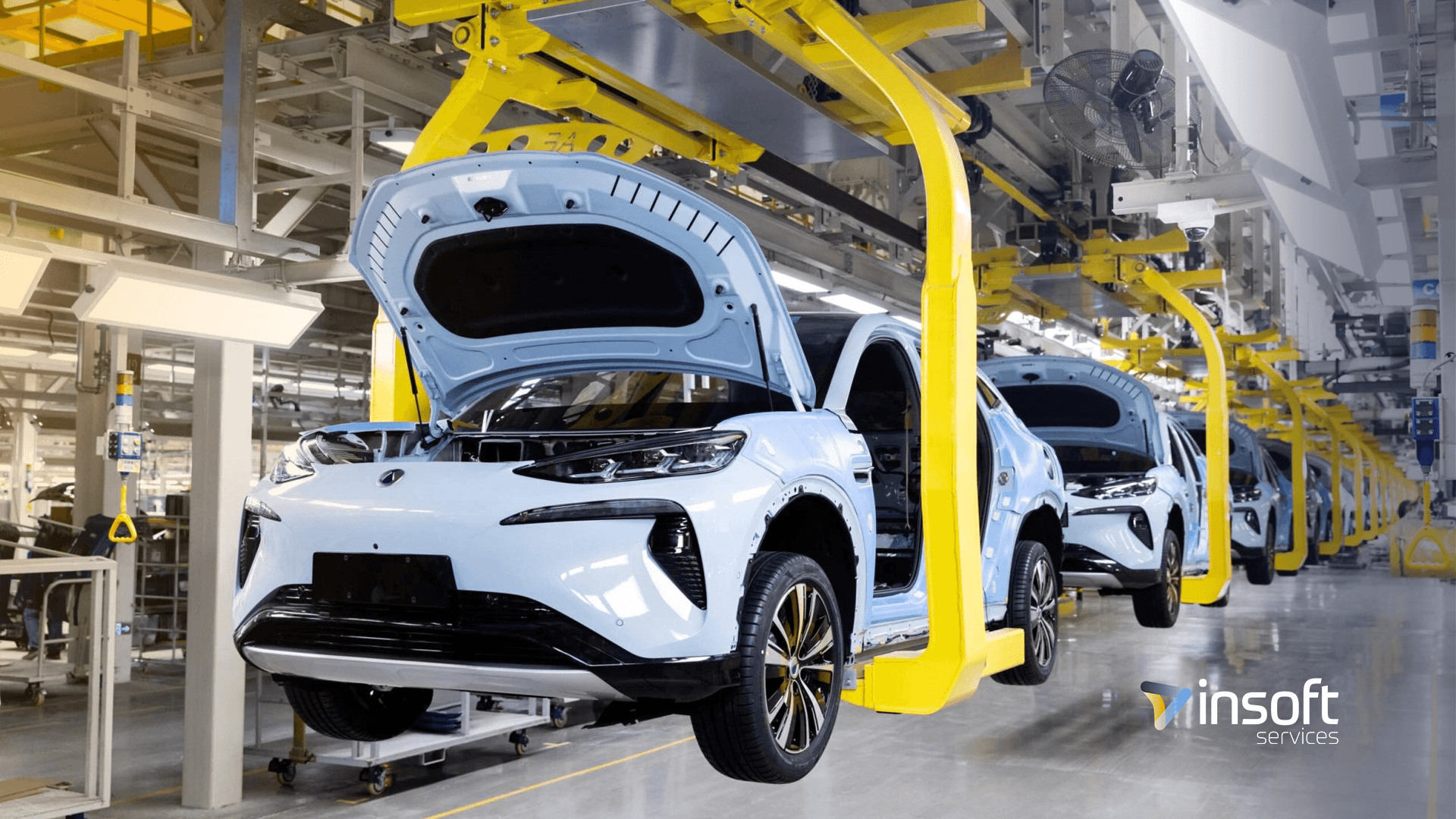
Modern vehicles have evolved far beyond traditional mechanical machines. They now function as highly connected digital platforms powered by dozens of Electronic Control Units (ECUs), wireless communication technologies, cloud services, GPS navigation, infotainment systems, mobile applications, and over-the-air (OTA) software updates. In many respects, today’s vehicles are sophisticated computers on wheels.

This digital evolution has transformed the driving experience. Drivers can remotely lock or unlock their vehicles, monitor battery performance, receive predictive maintenance notifications, access real-time navigation, and install software enhancements without visiting a service center. These capabilities improve convenience, efficiency, and overall vehicle performance.
At the same time, increased connectivity introduces new cybersecurity considerations. Every connected feature represents another potential entry point that must be secured. Just as computers and smartphones require protection from cyber threats, connected vehicles also need robust security measures to safeguard their systems and data.
If a cybercriminal were able to exploit a weakness within a connected vehicle, the consequences could extend beyond data privacy. Sensitive information such as personal details or location data could be exposed, while communication between critical vehicle systems could be disrupted. Although automotive manufacturers implement multiple layers of protection to reduce these risks, cybersecurity requires continuous attention because threat landscapes constantly evolve.
To address these challenges, many automotive manufacturers now embrace a security-by-design approach. Rather than adding security after development is complete, cybersecurity is incorporated throughout the entire vehicle lifecycle—from architecture and software design to testing, manufacturing, deployment, and ongoing maintenance.
Modern vehicles now incorporate technologies such as secure boot, encrypted communications, authentication protocols, intrusion detection systems, hardware security modules (HSMs), and continuous security monitoring. In addition, over-the-air updates enable manufacturers to deliver security patches and software improvements quickly, reducing the need for customers to visit a dealership.
Cybersecurity is not solely the responsibility of vehicle manufacturers. Drivers also contribute to maintaining a secure connected vehicle. Keeping software up to date, using only trusted mobile applications, avoiding unfamiliar USB devices, protecting online accounts with strong passwords, and remaining aware of emerging cyber risks all help strengthen vehicle security.
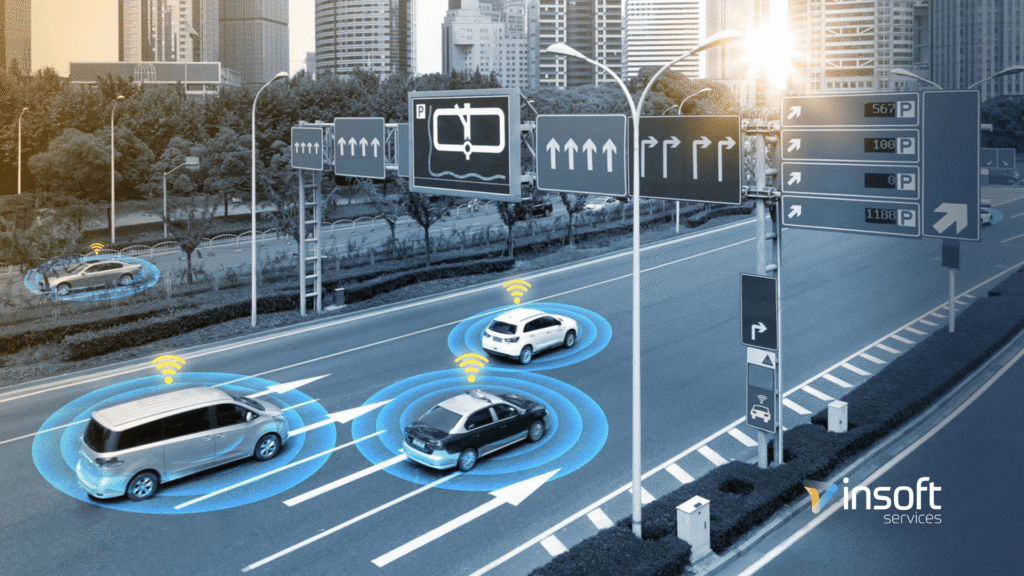
As the automotive industry advances toward electric vehicles (EVs), autonomous driving, and Vehicle-to-Everything (V2X) communication, cybersecurity will become even more significant. Future vehicles will continuously exchange information with other vehicles, charging infrastructure, roadside systems, and cloud-based services. Protecting these communications will be essential to ensuring safe, reliable, and trusted mobility.
The future of transportation depends not only on innovation but also on security. As vehicles become increasingly connected, cybersecurity has evolved from a technical consideration into a fundamental safety requirement. Building resilient, secure, and trustworthy vehicles will remain essential as the next generation of mobility continues to develop.

No Comments