
 Finland
 Germany
 Denmark
 Sweden
 Italy
 Netherlands
 Norway

















Introduction
The automotive industry has always been driven by innovation. From the introduction of the assembly line to the rise of electric vehicles, every major shift has changed how people experience transportation. Today, the industry is undergoing another transformation, and this time, the biggest change is not happening under the hood. It is happening in the software that powers the vehicle.
Software-Defined Vehicles, commonly known as SDVs, are changing how cars are designed, built, and maintained. Instead of relying primarily on mechanical systems and hardware upgrades, these vehicles use software as the foundation for many of their core functions. This means a vehicle can continue to improve long after it leaves the showroom through regular software updates and new digital features.
For years, purchasing a vehicle meant accepting the features it came with on the day of delivery. If new technology became available later, drivers often had to wait until they purchased another vehicle to benefit from those improvements. Software-Defined Vehicles challenge this traditional model by making vehicles more adaptable and capable of evolving over time.
One of the biggest advantages of SDVs is their ability to receive over-the-air updates. Much like smartphones and laptops, vehicles can now receive software improvements without requiring a visit to a service center. These updates can improve navigation systems, optimize battery performance in electric vehicles, enhance driver assistance features, strengthen cybersecurity, and even introduce entirely new capabilities.
This approach benefits both manufacturers and customers. Automakers can respond quickly to software issues, improve system performance, and introduce innovative features without requiring a physical recall. Customers, on the other hand, can enjoy a product that continues to improve throughout its lifespan. Instead of becoming outdated within a few years, the vehicle can remain relevant as technology advances.
Imagine a family sharing the same vehicle. Each member can have a personalized experience simply by logging into their individual profile. The mirrors adjust automatically, favorite music playlists appear instantly, navigation remembers frequently visited locations, and the climate control activates preferred temperature settings. This level of personalization makes driving more convenient and enjoyable.
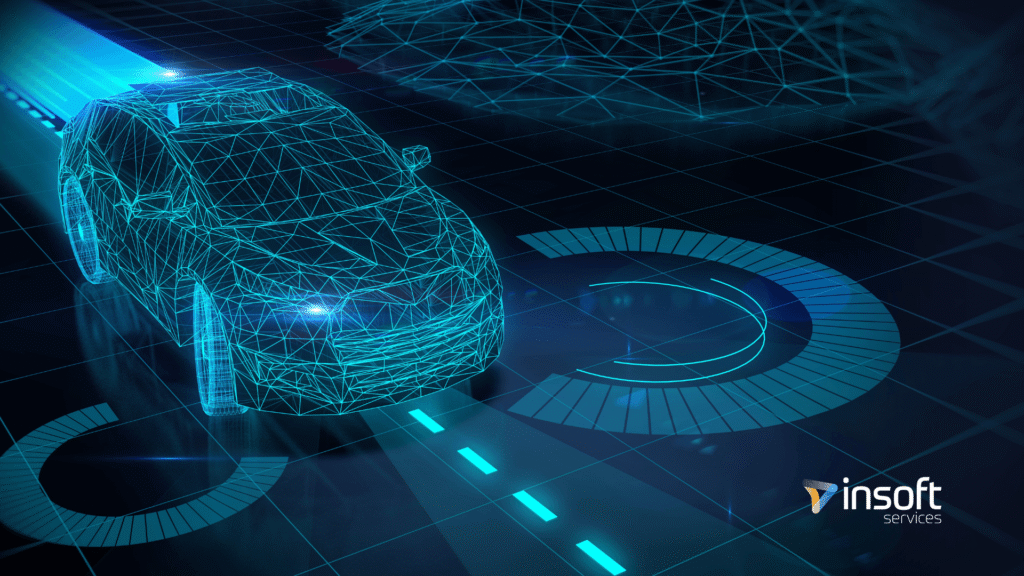
Safety is another area where software is making a significant impact. Modern vehicles already include numerous sensors, cameras, radar systems, and advanced driver assistance technologies. Software acts as the central intelligence that processes vast amounts of information in real time. It helps detect potential hazards, supports emergency braking, assists with lane keeping, monitors blind spots, and continuously enhances overall driving safety.
As software algorithms become more sophisticated, vehicles are expected to become increasingly capable of detecting and responding to potential hazards. Continuous updates allow manufacturers to improve these safety systems without changing physical hardware, giving drivers access to the latest advancements throughout the vehicle’s lifecycle.
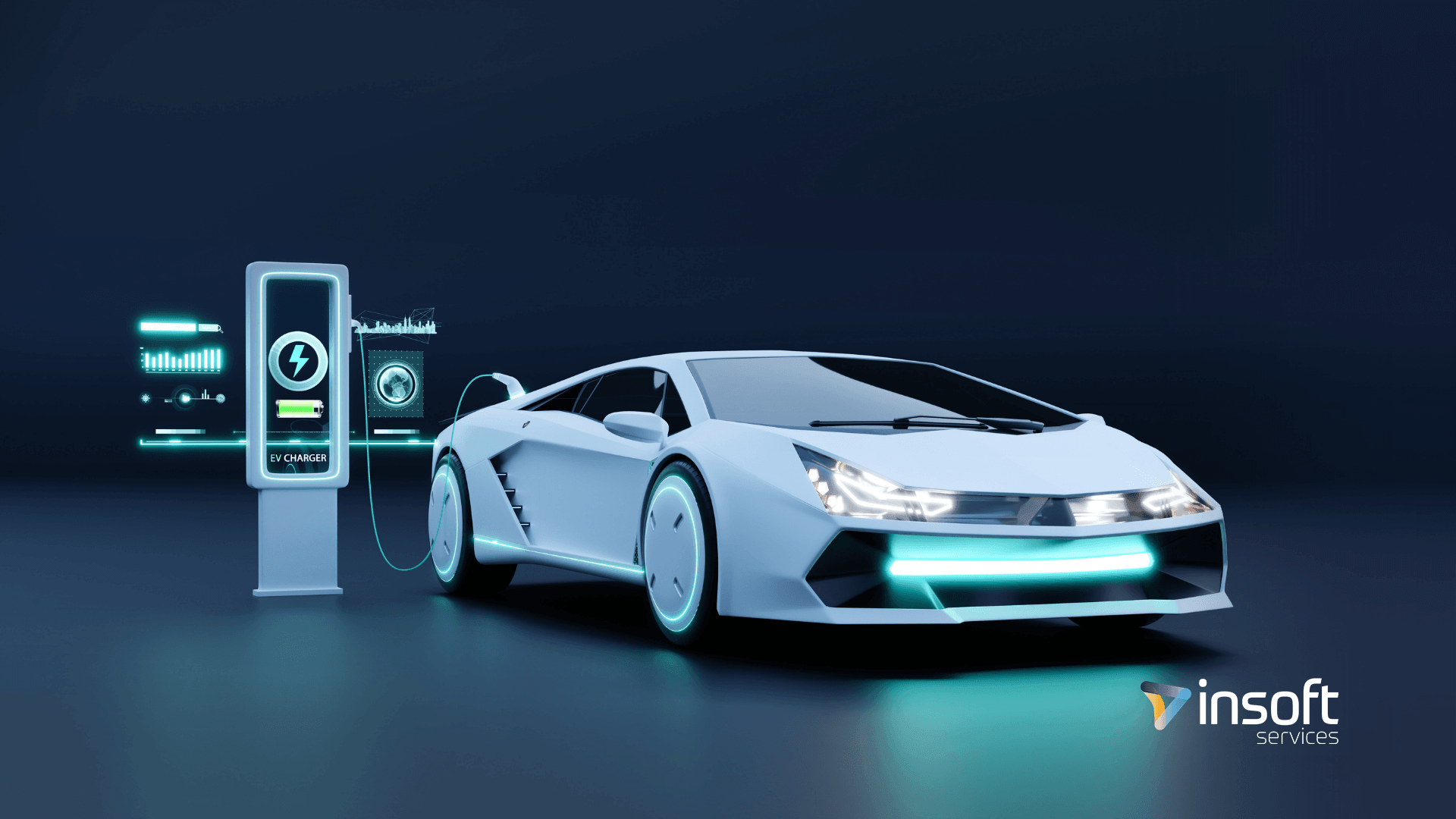
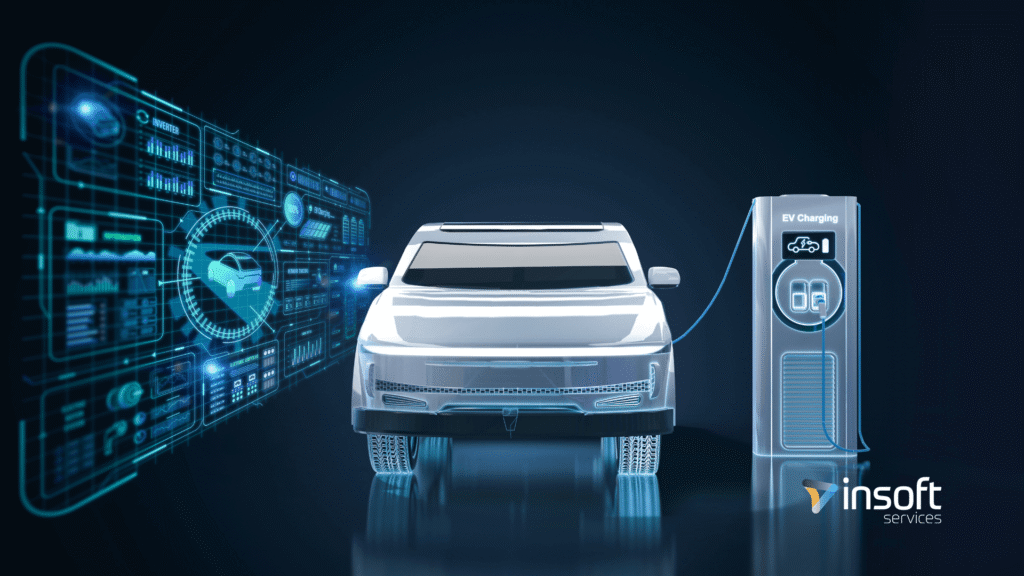
Electric vehicles have also accelerated the adoption of Software-Defined Vehicles. Battery management systems, charging optimization, regenerative braking, and energy efficiency all rely heavily on intelligent software. Even relatively small software improvements can increase driving range, enhance charging performance, and potentially extend battery life. This demonstrates how software can directly influence both vehicle performance and customer satisfaction.
For manufacturers, the transition to SDVs is also changing how vehicles are developed. Traditional automotive development often involved multiple electronic control units operating independently. Today’s vehicles are moving toward centralized computing platforms, where powerful processors can manage several vehicle functions simultaneously. This architecture can reduce complexity, simplify software development, and make future updates easier to implement.
However, the rise of Software-Defined Vehicles also introduces new challenges. Cybersecurity has become one of the industry’s highest priorities. Because these vehicles are connected to networks and receive regular updates, protecting customer data and preventing unauthorized access are essential. Manufacturers are investing heavily in secure software architectures, encryption technologies, and continuous monitoring to safeguard both vehicles and users.
Another challenge involves software complexity. Modern vehicles contain millions of lines of code, often developed by multiple teams working across different countries. Managing this complexity requires advanced development practices, extensive testing, and close collaboration between software engineers, automotive experts, and cybersecurity specialists.
The demand for software talent within the automotive industry continues to grow rapidly. Companies are hiring professionals with expertise in artificial intelligence, cloud computing, embedded systems, machine learning, cybersecurity, and data analytics. The future of automotive innovation increasingly depends on the ability to develop reliable, secure, and intelligent software solutions.
Consumers are also becoming more comfortable with connected technologies. Smartphones, smart homes, wearable devices, and cloud services have already transformed daily life. Software-Defined Vehicles naturally fit into this connected ecosystem by enabling seamless communication between vehicles, mobile applications, charging infrastructure, and smart city services.
Looking ahead, Software-Defined Vehicles will play an essential role in the future of autonomous driving. Self-driving technologies require significant computing power, real-time decision-making, and continuous software improvements. SDVs provide the flexible platform needed to support these advanced capabilities as they continue to evolve.
The transition toward Software-Defined Vehicles represents more than just another technological upgrade. It reflects a fundamental shift in how vehicles are designed, experienced, and maintained. Cars are no longer static machines that remain unchanged after purchase. They are becoming intelligent platforms capable of evolving, improving, and adapting throughout their lifetimes.
As digital innovation continues to reshape the automotive landscape, software will become just as important as engines, batteries, and mechanical engineering. Companies that embrace this transformation will be better positioned to deliver safer, smarter, and more personalized mobility experiences. For consumers, the result is a future in which vehicles continue to evolve long after the keys are handed over, making every journey more connected, efficient, and enjoyable.

No Comments