
 Finland
 Germany
 Denmark
 Sweden
 Italy
 Netherlands
 Norway

















Introduction
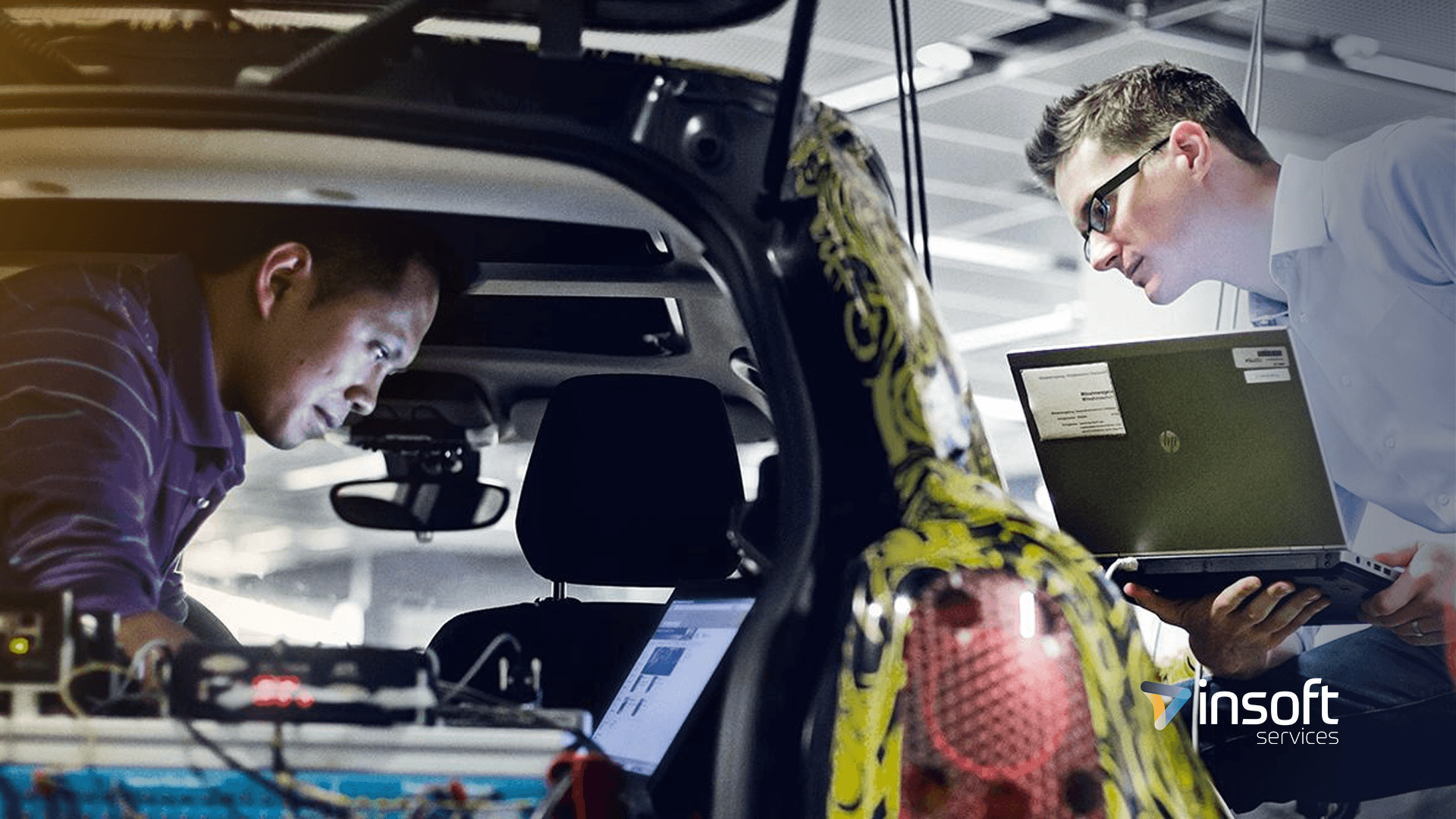
The modern vehicle has evolved far beyond a standalone mechanical machine. Today’s vehicles are intelligent, connected platforms that communicate with smartphones, cloud services, charging stations, navigation systems, dealerships, and even other vehicles. Capabilities such as remote diagnostics, over-the-air (OTA) software updates, digital keys, connected infotainment, and advanced driver assistance systems (ADAS) are redefining the driving experience while creating new opportunities for innovation.
Greater connectivity, however, also introduces new security challenges. Every connected function expands the potential attack surface, making protection of vehicle systems more critical than ever. As a result, vehicle cybersecurity is no longer viewed solely as a technical concern—it has become a strategic business priority.
Cybersecurity extends well beyond the responsibilities of IT teams and software developers. It influences engineering, product development, quality assurance, legal and regulatory compliance, customer support, and executive leadership. A single cybersecurity incident can have consequences that reach far beyond one vehicle, affecting customer confidence, disrupting business operations, attracting regulatory attention, and damaging a company’s reputation.
One of the industry’s greatest challenges is the growing complexity of automotive software. Modern vehicles contain numerous Electronic Control Units (ECUs), millions of lines of code, multiple communication networks, and an expanding ecosystem of connected services. Protecting this environment requires a comprehensive security strategy that spans the entire product lifecycle.
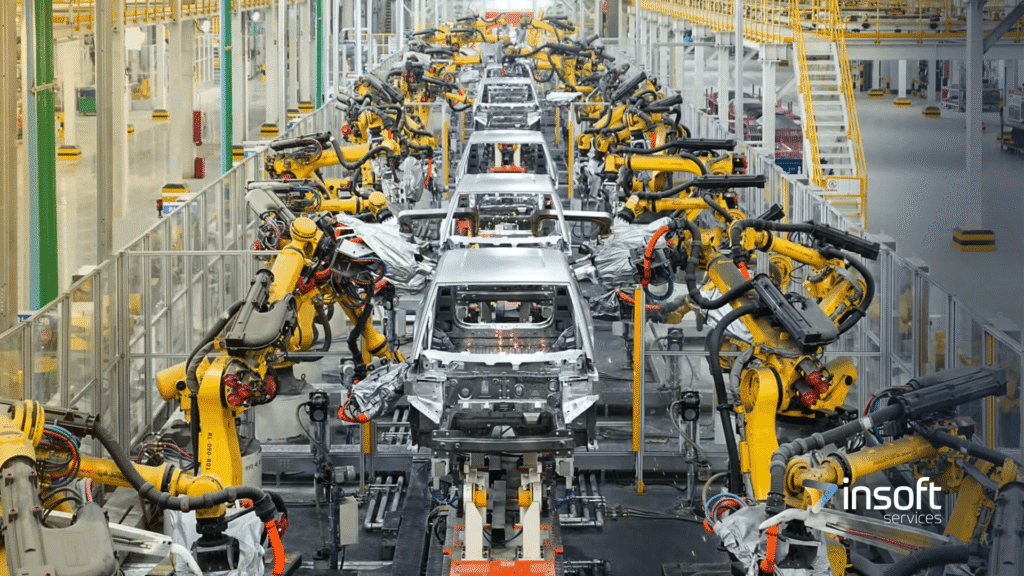
For this reason, many manufacturers have adopted a security-by-design approach. Instead of addressing cybersecurity near the end of development, security considerations are incorporated from the earliest design stages. From defining system architecture and selecting hardware to software development, validation, production, and ongoing maintenance, security remains an integral part of the process.
To strengthen vehicle protection, organizations continue to invest in secure coding standards, encryption technologies, authentication mechanisms, hardware security modules (HSMs), intrusion detection systems, penetration testing, and continuous vulnerability management. These practices help identify and address potential weaknesses before vehicles reach customers while improving the ability to respond quickly to newly discovered threats.
Regulatory compliance has also become a major driver of automotive cybersecurity. Governments and international standards bodies are introducing cybersecurity requirements that encourage manufacturers to implement structured cybersecurity management systems. Meeting these requirements is not only a legal obligation but also demonstrates a commitment to delivering secure, reliable, and high-quality vehicles.

Cybersecurity remains equally important after a vehicle enters service. Unlike traditional vehicles, software-defined vehicles continue to evolve throughout their operational life. Over-the-air updates allow manufacturers to introduce new features, improve performance, resolve software issues, and deploy security patches without requiring customers to visit a dealership. This approach has fundamentally changed how vehicle quality and security are maintained over time.
Consumers are also placing greater importance on digital privacy and security. Connected vehicles store and process valuable information, including navigation history, paired mobile devices, charging payment details, and personalized settings. Protecting this data is vital to earning and maintaining customer confidence, and strong cybersecurity is becoming an increasingly important consideration when buyers evaluate a vehicle alongside its safety, reliability, performance, and comfort.
Strong cybersecurity also strengthens the broader automotive ecosystem. Manufacturers, suppliers, software developers, cloud providers, semiconductor companies, and cybersecurity specialists all play an important role in protecting connected vehicles. Collaboration across the supply chain enables organizations to identify risks earlier, exchange expertise, and establish consistent security practices that benefit the entire industry.
As electric vehicles (EVs), autonomous driving technologies, connected mobility, and Vehicle-to-Everything (V2X) communication continue to advance, cybersecurity will become even more critical. These technologies depend on continuous data exchange between vehicles, infrastructure, cloud platforms, and charging networks. Ensuring these communications remain secure is essential for maintaining both safety and public confidence in next-generation transportation.
Innovation has always driven the automotive industry forward. As vehicles become increasingly software-defined and connected, organizations that prioritize cybersecurity will be better positioned to deliver secure, resilient, and trusted mobility solutions. Investing in cybersecurity is no longer simply about reducing risk—it is about building a strong foundation for the future of connected transportation.

No Comments