

Cisco Training Courses

Cisco Training Courses

Insoft has been serving IT industry with authorized Cisco courses training, since 2010. Find all the relevant information on Cisco training on this page.

View More Cisco Training Learning Partner
Cisco Certifications

Cisco Certifications

Experience a blended learning approach that combines the best of instructor-led training and self-paced e-learning to help you prepare for your certification exam.

View More Cisco Training Learning Partner
Cisco Learning Credits

Cisco Learning Credits

Cisco Learning Credits (CLCs) are prepaid training vouchers redeemed directly with Cisco that make planning for your success easier when purchasing Cisco products and services.

Have CLCs and want to redeem them? Cisco Training Learning Partner
Cisco Continuing Education

Cisco Continuing Education

The Cisco Continuing Education Program offers all active certification holders flexible options to recertify by completing a variety of eligible training items.

View More Cisco Training Learning Partner
Cisco U Digital Learning

Cisco U

Cisco U. is customized to achieve your learning needs as this provides learning paths that includes wide range of topics, including CCNA, Cloud and Network Automation Essentials.

Browse Catalogue Cisco Training Learning Partner
Cisco Business Enablement

Cisco Business Enablement

The Cisco Business Enablement Partner Program focuses on sharpening the business skills of Cisco Channel Partners and customers.

View More Cisco Training Learning Partner
Fortinet Certification Training

Fortinet Technical Certifications

Insoft Services´ training capabilities rely on the excellence of our exclusive Fortinet Certified Trainers (FCT). We are dedicated to providing high-quality training to Fortinet Customers and Partners.

View More Fortinet Premier Authorized Training Center
Fortinet Training Courses

Fortinet Technical Courses

Insoft is recognised as Fortinet Authorized Training Center in selected locations across EMEA.

View More Fortinet Premier Authorized Training Center
Fortinet Premier Authorized Training Center

ATC Status

Check our ATC Status across selected countries in Europe.

View More Fortinet Premier Authorized Training Center
Fortinet Consultancy Services

Fortinet Services Packages

Insoft Services has developed a specific solution to streamline and simplify the process of installing or migrating to Fortinet Products.

Browse Packages Fortinet Premier Authorized Training Center
Extreme Networks Training Partner

Technical Training

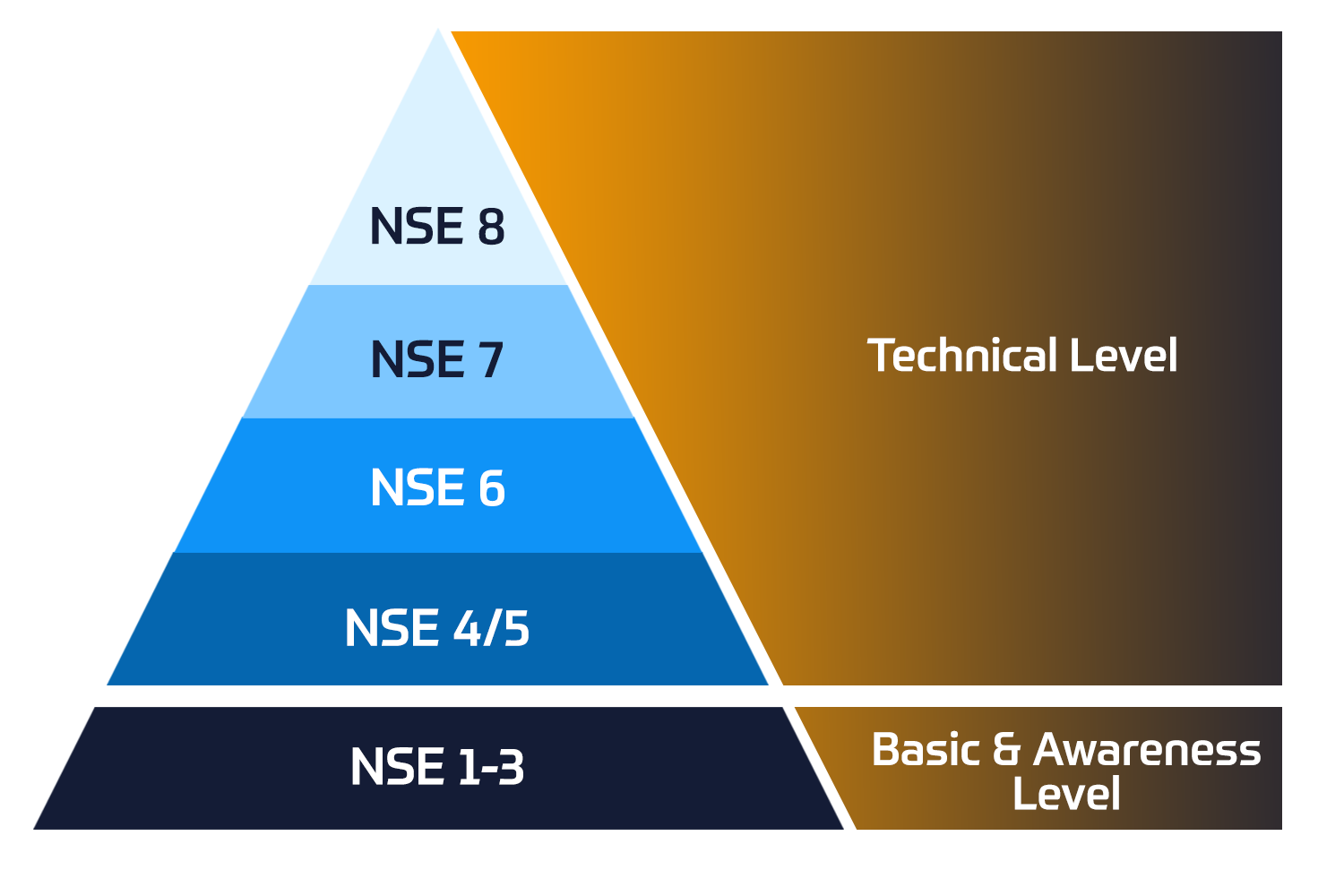
The evolution of Extreme Networks Technical Training provides a comprehensive progressive pathway from Associate to Professional accreditation.

View More Extreme Networks Training Partner
Extreme Networks Training Partner

ATP Accreditation

As an authorised training partner (ATP), Insoft Services ensures that you receive the highest standards of education available.

View More Extreme Networks Training Partner
Consultancy Services

What we do

Through our global presence and partner ecosystem, we provide strategic IT consulting services to align IT services with customers' business goals.

View More
Cisco Consultancy Services


We provide the highest level of expertise on Cisco consultancy services, that target audits of your current network and implementing updates for improved operational performance, secure data and compliant systems.

View More
Fortinet Consultancy Services


We provide the highest level of expertise on Fortinet consultancy services that target audits of your current network and implementing updates for improved operational performance, secure data and compliant systems.

View More
Extreme Networks Consultancy Services


Our team can help enterprises, get the most value from Extreme products and services following our predefined value-added packages or custom ones that fits business needs.


View More
TXOne Networks


TXOne Networks provides cybersecurity solutions that ensure the reliability and safety of ICS and OT environments through the OT zero trust methodology protecting assets for their entire life cycle.


View More
Insoft Services

About Us

Our training portfolio includes a wide range of IT training from IP providers, including Cisco, Extreme Networks, Fortinet, Microsoft, to name a few, in EMEA.

View More Insoft Services

IT Teams for Cloud Security

IT Teams for Cloud Security

IT Teams for Cloud Security

03 September 2026

Did you know that 88% of organizations now operate across hybrid or multi-cloud environments, yet the gap between rapid adoption and internal team capability remains a critical vulnerability? You likely recognize that the high cost of external recruitment is no longer a sustainable solution, especially as 80% of businesses integrate AI into core operations by 2026. We understand the pressure to maintain robust defenses while transitioning from legacy networking to cloud-native architectures. This guide offers a strategic solution for upskilling IT teams for cloud security through a precise, multi-vendor framework.

It’s about capability, not just instruction. We invite you to discover how to leverage authorized training from leaders like Cisco, Fortinet, and Extreme Networks to transform your current staff into security experts. We provide a clear roadmap to reduce incidents caused by misconfigurations and improve team retention through structured professional growth. Our analysis covers the integration of NIST CSF 2.0 standards and specific vendor-aligned pathways to ensure your organization achieves strategic depth and operational excellence in a high-stakes digital environment.

Assessing the Skill Gap: From Legacy Infrastructure to Cloud-Native Security

Successful upskilling it teams for cloud security involves a targeted development of competencies in identity-centric defense and virtualized network architecture. We invite you to consider that legacy network engineers are often the most effective candidates for these roles because they possess a foundational understanding of traffic flow that remains relevant in virtual spaces. By building upon these existing strengths, your team can master foundational cloud security principles while adapting to modern software-defined environments. Human-Centric Vulnerability is the primary risk where technical security breaches are caused by an individual’s misunderstanding of the shared responsibility model or specific cloud configurations.

Identifying Critical Deficiencies in Hybrid Environments

Visibility remains a significant challenge when traffic traverses the boundary between on-premise data centers and public cloud workloads. Teams without formal, authorized instruction often encounter configuration drift, where security settings inadvertently change during rapid deployment cycles. To mitigate this risk, we recommend Fortinet authorised training to establish a consistent security posture across all segments. This structured approach ensures that your engineers can identify and resolve anomalies before they become critical incidents, maintaining the integrity of your hybrid environment.

The Shift from Perimeter Defense to Identity-Centric Security

The transition from a perimeter-based mindset to a Zero Trust framework is essential for modern operations. In cloud-native ecosystems, identity serves as the new firewall, requiring every user and device to be authenticated continuously regardless of their location. Understanding Secure Access Service Edge (SASE), which combines network security functions with WAN capabilities, is no longer optional for high-performing IT departments. Through Cisco certifications, professionals gain the precise skills to implement these frameworks effectively. This evolution ensures your team can manage the complexity of multi-vendor environments while maintaining the strategic depth required for the 2026 digital landscape.

Designing a Multi-Vendor Upskilling Roadmap for IT Teams

Creating a bespoke learning pathway requires a structured approach that respects your organization’s unique technical ecosystem. We suggest a five-step process for upskilling it teams for cloud security effectively. First, conduct a thorough audit of your current technical inventory. Second, align your training objectives with your specific vendor stack. Third, establish a networking foundation to ensure all members share a common language. Fourth, introduce specialized security modules tailored to your cloud environment. Finally, validate these skills through authorized certification to ensure measurable proficiency. It’s vital to balance vendor-neutral theory, such as SANS cloud security training, with the practical implementation skills required for daily operations.

Vendor Path Primary Strategic Focus Areas
Cisco Certifications Core networking, SD-WAN, identity management, and automated security.
Fortinet Tracks Next-generation firewalling, cloud workload protection, and security fabric integration.

Integrating Cisco and Fortinet Certification Tracks

A resilient defense starts with a robust core. We recommend starting with CCNA: Implementing and Administering Cisco Solutions to provide your engineers with a comprehensive understanding of modern network fundamentals. Once this foundation is secure, your team should progress into Fortinet certifications. This progression allows them to master advanced firewall configurations and proactive protection for diverse cloud workloads.

Leveraging Authorized Training for Strategic Advantage

Authorized training centers (ATCs) provide a level of consistency and depth that unofficial resources often lack. These programs use curricula developed directly by the vendors, ensuring your team learns the most current protocols and features. Instructor-led virtual training is particularly beneficial for global teams. It provides synchronized knowledge and allows for real-time interaction with experts who understand the nuances of the 2026 landscape. To explore how these programs can benefit your organization, you may view our technology training catalog.

Executing the Upskilling Strategy: Hands-on Implementation and Validation

Transitioning from abstract concepts to operational mastery requires a shift into high-fidelity sandbox environments. These controlled spaces allow your team to safely test security configurations without risking live production workloads. We suggest aligning these practical exercises with standards seen in national cybersecurity workforce development programs to ensure a globally recognized level of competence. To verify true readiness, we advise implementing ‘Game Days’ or internal capture-the-flag (CTF) events. These sessions provide a structured way to validate technical growth and foster essential collaboration. Skill Validation is the practical proof of competency in a simulated cloud breach scenario. Beyond technical prowess, you should prioritize soft skills like incident reporting and courteous cross-departmental communication to ensure security remains a business enabler.

Transitioning from Theory to Cloud Sandbox Environments

Hands-on experience is vital for upskilling it teams for cloud security. Utilizing FortiOS Administrator labs allows engineers to master cloud firewall policies in a risk-free setting. These virtual labs significantly reduce the fear of failure that often hinders progress when managing live cloud infrastructures. By simulating complex traffic patterns, your professionals can refine their response strategies before encountering real-world threats. This practical immersion ensures that your team doesn’t just know the theory but can execute precise configurations under pressure.

Establishing a Culture of Continuous Professional Development

Maintaining a high level of proficiency requires more than a one-time course. We recommend allocating specific learning hours within the work week to prevent burnout and encourage consistent growth. For flexible, on-demand skill refreshing, Cisco Digital Learning offers a comprehensive library of resources accessible at any time. This approach ensures your staff stays current with evolving threats and multi-vendor updates. To begin your team’s transformation, we invite you to explore our authorized Fortinet training paths to secure your cloud future.

Optimising Your Training Investment with Official Learning Credits

Financing a comprehensive roadmap for upskilling it teams for cloud security doesn’t always require new capital allocations. Many organizations possess existing vendor incentives that can fund the entirety of their professional development efforts. By leveraging these credits, you can bridge the gap between your current infrastructure and advanced cloud proficiency while maintaining fiscal discipline. We invite you to consider the strategic advantage of partnering with an authorized provider that understands the financial logistics of enterprise-scale training.

Maximising Value through Cisco Learning Credits

We recommend that you conduct a thorough review of your Cisco Learning Credits to ensure they’re redeemed before expiration. These credits operate on a strict “use it or lose it” basis; unallocated funds represent a lost opportunity for organizational growth. You can apply these credits directly to official courses, allowing your team to master complex cloud security protocols through authorized instruction rather than unverified self-study. It’s a precise way to prevent budget waste while securing the high-level proficiency your 2026 strategy demands.

Multi-Vendor Training as a Unified Solution

Selecting a comprehensive training partner like Insoft Services enables you to manage Cisco, Fortinet, and Extreme Networks requirements under a single agreement. This centralized approach streamlines administrative tasks through unified reporting and progress tracking for your HR department. It ensures your efforts in upskilling it teams for cloud security remain consistent across all platforms. To ensure you’re fully prepared for the upcoming fiscal cycle, we suggest following this audit checklist:

  • Identify total available credits across your Cisco, Fortinet, and Extreme Networks portfolios.
  • Verify specific expiration dates to prioritize training schedules before the end of the year.
  • Map remaining credits to the specialized certification tracks identified in your roadmap.
  • Confirm that all chosen courses are delivered by an authorized partner to guarantee curriculum accuracy.

Ultimately, a certified, future-ready workforce serves as your most resilient defense against evolving digital threats. By investing in human capability today, you ensure your organization remains agile and secure in a high-stakes professional landscape.

Securing Your Digital Future Through Strategic Human Capability

The evolution of your digital infrastructure demands a parallel evolution in human expertise. By transitioning from perimeter-based defense to identity-centric frameworks and validating skills in high-fidelity sandbox environments, you ensure your organization remains resilient against sophisticated threats. Successfully upskilling it teams for cloud security requires a commitment to authorized, instructor-led training that bridges the gap between legacy networking and modern cloud-native agility. It’s a strategic investment that transforms your staff into visionary defenders of your cloud environment.

As an Official Cisco Learning Partner and a Premier Authorized Training Center for Fortinet, we provide the strategic depth and global delivery capabilities necessary to support multinational teams in achieving high-level proficiency. We invite you to empower your team with our official Cisco and Fortinet training tracks to secure your competitive advantage. Our experts are ready to help you navigate these complexities with precision and care. We look forward to supporting your journey toward excellence and long-term professional growth.

Frequently Asked Questions

What is the difference between authorized and unauthorized IT training?

Authorized training is delivered by partners like Insoft Services using vendor-approved curricula and certified instructors, ensuring technical accuracy for upskilling it teams for cloud security. Unauthorized options often rely on outdated materials and lack the high-fidelity lab environments necessary for complex configuration testing. Choosing an authorized provider guarantees that your team learns current protocols directly from the source, which is vital for maintaining a robust and compliant security posture.

How long does it typically take to upskill a network team for cloud security?

The duration depends on your team’s baseline proficiency, but a transition from foundational networking to cloud security proficiency typically requires three to six months of structured effort. This timeline includes intensive instructor-led sessions followed by several weeks of hands-on validation in sandbox environments. We recommend a phased approach that allows engineers to apply new concepts to your specific multi-vendor architecture gradually, ensuring deep retention and operational stability during the transition.

Can we use Cisco Learning Credits for security-specific training?

Yes, you can redeem Cisco Learning Credits for any authorized Cisco training, including specialized security tracks such as the Implementing and Operating Cisco Security Core Technologies program. This is an efficient way to fund upskilling it teams for cloud security without additional budget approvals. As a Cisco Learning Partner, we help organizations audit their existing credits to ensure they’re utilized effectively before their fixed expiration dates.

What are the most essential certifications for cloud security in 2026?

In 2026, the most essential certifications focus on hybrid visibility and identity-centric defense. We recommend the Cisco Certified Professional Security track and the Fortinet Certified Solution Specialist in Public Cloud Security for deep technical mastery. Additionally, understanding the NIST CSF 2.0 framework is critical. These credentials provide the specific skills needed to manage complex, multi-vendor environments and implement Zero Trust architectures across global cloud workloads.

Is instructor-led training better than self-paced digital learning for security teams?

Instructor-led training is generally superior for security teams because it provides real-time interaction with experts and immediate feedback during complex lab exercises. While self-paced digital learning is useful for refreshing specific skills, it often lacks the strategic depth required to master intricate cloud security configurations. High-stakes environments benefit from the structured, consultative approach of a live mentor who can relate technical concepts to real-world business challenges and organizational goals.

Did you know that 88% of organizations now operate across hybrid or multi-cloud environments, yet the gap between rapid adoption and internal team capability remains a critical vulnerability? You likely recognize that the high cost of external recruitment is no longer a sustainable solution, especially as 80% of businesses integrate AI into core operations by 2026. We understand the pressure to maintain robust defenses while transitioning from legacy networking to cloud-native architectures. This guide offers a strategic solution for upskilling IT teams for cloud security through a precise, multi-vendor framework.

It’s about capability, not just instruction. We invite you to discover how to leverage authorized training from leaders like Cisco, Fortinet, and Extreme Networks to transform your current staff into security experts. We provide a clear roadmap to reduce incidents caused by misconfigurations and improve team retention through structured professional growth. Our analysis covers the integration of NIST CSF 2.0 standards and specific vendor-aligned pathways to ensure your organization achieves strategic depth and operational excellence in a high-stakes digital environment.

Assessing the Skill Gap: From Legacy Infrastructure to Cloud-Native Security

Successful upskilling it teams for cloud security involves a targeted development of competencies in identity-centric defense and virtualized network architecture. We invite you to consider that legacy network engineers are often the most effective candidates for these roles because they possess a foundational understanding of traffic flow that remains relevant in virtual spaces. By building upon these existing strengths, your team can master foundational cloud security principles while adapting to modern software-defined environments. Human-Centric Vulnerability is the primary risk where technical security breaches are caused by an individual’s misunderstanding of the shared responsibility model or specific cloud configurations.

Identifying Critical Deficiencies in Hybrid Environments

Visibility remains a significant challenge when traffic traverses the boundary between on-premise data centers and public cloud workloads. Teams without formal, authorized instruction often encounter configuration drift, where security settings inadvertently change during rapid deployment cycles. To mitigate this risk, we recommend Fortinet authorised training to establish a consistent security posture across all segments. This structured approach ensures that your engineers can identify and resolve anomalies before they become critical incidents, maintaining the integrity of your hybrid environment.

The Shift from Perimeter Defense to Identity-Centric Security

The transition from a perimeter-based mindset to a Zero Trust framework is essential for modern operations. In cloud-native ecosystems, identity serves as the new firewall, requiring every user and device to be authenticated continuously regardless of their location. Understanding Secure Access Service Edge (SASE), which combines network security functions with WAN capabilities, is no longer optional for high-performing IT departments. Through Cisco certifications, professionals gain the precise skills to implement these frameworks effectively. This evolution ensures your team can manage the complexity of multi-vendor environments while maintaining the strategic depth required for the 2026 digital landscape.

Designing a Multi-Vendor Upskilling Roadmap for IT Teams

Creating a bespoke learning pathway requires a structured approach that respects your organization’s unique technical ecosystem. We suggest a five-step process for upskilling it teams for cloud security effectively. First, conduct a thorough audit of your current technical inventory. Second, align your training objectives with your specific vendor stack. Third, establish a networking foundation to ensure all members share a common language. Fourth, introduce specialized security modules tailored to your cloud environment. Finally, validate these skills through authorized certification to ensure measurable proficiency. It’s vital to balance vendor-neutral theory, such as SANS cloud security training, with the practical implementation skills required for daily operations.

Vendor Path Primary Strategic Focus Areas
Cisco Certifications Core networking, SD-WAN, identity management, and automated security.
Fortinet Tracks Next-generation firewalling, cloud workload protection, and security fabric integration.

Integrating Cisco and Fortinet Certification Tracks

A resilient defense starts with a robust core. We recommend starting with CCNA: Implementing and Administering Cisco Solutions to provide your engineers with a comprehensive understanding of modern network fundamentals. Once this foundation is secure, your team should progress into Fortinet certifications. This progression allows them to master advanced firewall configurations and proactive protection for diverse cloud workloads.

Leveraging Authorized Training for Strategic Advantage

Authorized training centers (ATCs) provide a level of consistency and depth that unofficial resources often lack. These programs use curricula developed directly by the vendors, ensuring your team learns the most current protocols and features. Instructor-led virtual training is particularly beneficial for global teams. It provides synchronized knowledge and allows for real-time interaction with experts who understand the nuances of the 2026 landscape. To explore how these programs can benefit your organization, you may view our technology training catalog.

Executing the Upskilling Strategy: Hands-on Implementation and Validation

Transitioning from abstract concepts to operational mastery requires a shift into high-fidelity sandbox environments. These controlled spaces allow your team to safely test security configurations without risking live production workloads. We suggest aligning these practical exercises with standards seen in national cybersecurity workforce development programs to ensure a globally recognized level of competence. To verify true readiness, we advise implementing ‘Game Days’ or internal capture-the-flag (CTF) events. These sessions provide a structured way to validate technical growth and foster essential collaboration. Skill Validation is the practical proof of competency in a simulated cloud breach scenario. Beyond technical prowess, you should prioritize soft skills like incident reporting and courteous cross-departmental communication to ensure security remains a business enabler.

Transitioning from Theory to Cloud Sandbox Environments

Hands-on experience is vital for upskilling it teams for cloud security. Utilizing FortiOS Administrator labs allows engineers to master cloud firewall policies in a risk-free setting. These virtual labs significantly reduce the fear of failure that often hinders progress when managing live cloud infrastructures. By simulating complex traffic patterns, your professionals can refine their response strategies before encountering real-world threats. This practical immersion ensures that your team doesn’t just know the theory but can execute precise configurations under pressure.

Establishing a Culture of Continuous Professional Development

Maintaining a high level of proficiency requires more than a one-time course. We recommend allocating specific learning hours within the work week to prevent burnout and encourage consistent growth. For flexible, on-demand skill refreshing, Cisco Digital Learning offers a comprehensive library of resources accessible at any time. This approach ensures your staff stays current with evolving threats and multi-vendor updates. To begin your team’s transformation, we invite you to explore our authorized Fortinet training paths to secure your cloud future.

Optimising Your Training Investment with Official Learning Credits

Financing a comprehensive roadmap for upskilling it teams for cloud security doesn’t always require new capital allocations. Many organizations possess existing vendor incentives that can fund the entirety of their professional development efforts. By leveraging these credits, you can bridge the gap between your current infrastructure and advanced cloud proficiency while maintaining fiscal discipline. We invite you to consider the strategic advantage of partnering with an authorized provider that understands the financial logistics of enterprise-scale training.

Maximising Value through Cisco Learning Credits

We recommend that you conduct a thorough review of your Cisco Learning Credits to ensure they’re redeemed before expiration. These credits operate on a strict “use it or lose it” basis; unallocated funds represent a lost opportunity for organizational growth. You can apply these credits directly to official courses, allowing your team to master complex cloud security protocols through authorized instruction rather than unverified self-study. It’s a precise way to prevent budget waste while securing the high-level proficiency your 2026 strategy demands.

Multi-Vendor Training as a Unified Solution

Selecting a comprehensive training partner like Insoft Services enables you to manage Cisco, Fortinet, and Extreme Networks requirements under a single agreement. This centralized approach streamlines administrative tasks through unified reporting and progress tracking for your HR department. It ensures your efforts in upskilling it teams for cloud security remain consistent across all platforms. To ensure you’re fully prepared for the upcoming fiscal cycle, we suggest following this audit checklist:

  • Identify total available credits across your Cisco, Fortinet, and Extreme Networks portfolios.
  • Verify specific expiration dates to prioritize training schedules before the end of the year.
  • Map remaining credits to the specialized certification tracks identified in your roadmap.
  • Confirm that all chosen courses are delivered by an authorized partner to guarantee curriculum accuracy.

Ultimately, a certified, future-ready workforce serves as your most resilient defense against evolving digital threats. By investing in human capability today, you ensure your organization remains agile and secure in a high-stakes professional landscape.

Securing Your Digital Future Through Strategic Human Capability

The evolution of your digital infrastructure demands a parallel evolution in human expertise. By transitioning from perimeter-based defense to identity-centric frameworks and validating skills in high-fidelity sandbox environments, you ensure your organization remains resilient against sophisticated threats. Successfully upskilling it teams for cloud security requires a commitment to authorized, instructor-led training that bridges the gap between legacy networking and modern cloud-native agility. It’s a strategic investment that transforms your staff into visionary defenders of your cloud environment.

As an Official Cisco Learning Partner and a Premier Authorized Training Center for Fortinet, we provide the strategic depth and global delivery capabilities necessary to support multinational teams in achieving high-level proficiency. We invite you to empower your team with our official Cisco and Fortinet training tracks to secure your competitive advantage. Our experts are ready to help you navigate these complexities with precision and care. We look forward to supporting your journey toward excellence and long-term professional growth.

Frequently Asked Questions

What is the difference between authorized and unauthorized IT training?

Authorized training is delivered by partners like Insoft Services using vendor-approved curricula and certified instructors, ensuring technical accuracy for upskilling it teams for cloud security. Unauthorized options often rely on outdated materials and lack the high-fidelity lab environments necessary for complex configuration testing. Choosing an authorized provider guarantees that your team learns current protocols directly from the source, which is vital for maintaining a robust and compliant security posture.

How long does it typically take to upskill a network team for cloud security?

The duration depends on your team’s baseline proficiency, but a transition from foundational networking to cloud security proficiency typically requires three to six months of structured effort. This timeline includes intensive instructor-led sessions followed by several weeks of hands-on validation in sandbox environments. We recommend a phased approach that allows engineers to apply new concepts to your specific multi-vendor architecture gradually, ensuring deep retention and operational stability during the transition.

Can we use Cisco Learning Credits for security-specific training?

Yes, you can redeem Cisco Learning Credits for any authorized Cisco training, including specialized security tracks such as the Implementing and Operating Cisco Security Core Technologies program. This is an efficient way to fund upskilling it teams for cloud security without additional budget approvals. As a Cisco Learning Partner, we help organizations audit their existing credits to ensure they’re utilized effectively before their fixed expiration dates.

What are the most essential certifications for cloud security in 2026?

In 2026, the most essential certifications focus on hybrid visibility and identity-centric defense. We recommend the Cisco Certified Professional Security track and the Fortinet Certified Solution Specialist in Public Cloud Security for deep technical mastery. Additionally, understanding the NIST CSF 2.0 framework is critical. These credentials provide the specific skills needed to manage complex, multi-vendor environments and implement Zero Trust architectures across global cloud workloads.

Is instructor-led training better than self-paced digital learning for security teams?

Instructor-led training is generally superior for security teams because it provides real-time interaction with experts and immediate feedback during complex lab exercises. While self-paced digital learning is useful for refreshing specific skills, it often lacks the strategic depth required to master intricate cloud security configurations. High-stakes environments benefit from the structured, consultative approach of a live mentor who can relate technical concepts to real-world business challenges and organizational goals.

Did you know that 88% of organizations now operate across hybrid or multi-cloud environments, yet the gap between rapid adoption and internal team capability remains a critical vulnerability? You likely recognize that the high cost of external recruitment is no longer a sustainable solution, especially as 80% of businesses integrate AI into core operations by 2026. We understand the pressure to maintain robust defenses while transitioning from legacy networking to cloud-native architectures. This guide offers a strategic solution for upskilling IT teams for cloud security through a precise, multi-vendor framework.

It’s about capability, not just instruction. We invite you to discover how to leverage authorized training from leaders like Cisco, Fortinet, and Extreme Networks to transform your current staff into security experts. We provide a clear roadmap to reduce incidents caused by misconfigurations and improve team retention through structured professional growth. Our analysis covers the integration of NIST CSF 2.0 standards and specific vendor-aligned pathways to ensure your organization achieves strategic depth and operational excellence in a high-stakes digital environment.

Assessing the Skill Gap: From Legacy Infrastructure to Cloud-Native Security

Successful upskilling it teams for cloud security involves a targeted development of competencies in identity-centric defense and virtualized network architecture. We invite you to consider that legacy network engineers are often the most effective candidates for these roles because they possess a foundational understanding of traffic flow that remains relevant in virtual spaces. By building upon these existing strengths, your team can master foundational cloud security principles while adapting to modern software-defined environments. Human-Centric Vulnerability is the primary risk where technical security breaches are caused by an individual’s misunderstanding of the shared responsibility model or specific cloud configurations.

Identifying Critical Deficiencies in Hybrid Environments

Visibility remains a significant challenge when traffic traverses the boundary between on-premise data centers and public cloud workloads. Teams without formal, authorized instruction often encounter configuration drift, where security settings inadvertently change during rapid deployment cycles. To mitigate this risk, we recommend Fortinet authorised training to establish a consistent security posture across all segments. This structured approach ensures that your engineers can identify and resolve anomalies before they become critical incidents, maintaining the integrity of your hybrid environment.

The Shift from Perimeter Defense to Identity-Centric Security

The transition from a perimeter-based mindset to a Zero Trust framework is essential for modern operations. In cloud-native ecosystems, identity serves as the new firewall, requiring every user and device to be authenticated continuously regardless of their location. Understanding Secure Access Service Edge (SASE), which combines network security functions with WAN capabilities, is no longer optional for high-performing IT departments. Through Cisco certifications, professionals gain the precise skills to implement these frameworks effectively. This evolution ensures your team can manage the complexity of multi-vendor environments while maintaining the strategic depth required for the 2026 digital landscape.

Designing a Multi-Vendor Upskilling Roadmap for IT Teams

Creating a bespoke learning pathway requires a structured approach that respects your organization’s unique technical ecosystem. We suggest a five-step process for upskilling it teams for cloud security effectively. First, conduct a thorough audit of your current technical inventory. Second, align your training objectives with your specific vendor stack. Third, establish a networking foundation to ensure all members share a common language. Fourth, introduce specialized security modules tailored to your cloud environment. Finally, validate these skills through authorized certification to ensure measurable proficiency. It’s vital to balance vendor-neutral theory, such as SANS cloud security training, with the practical implementation skills required for daily operations.

Vendor Path Primary Strategic Focus Areas
Cisco Certifications Core networking, SD-WAN, identity management, and automated security.
Fortinet Tracks Next-generation firewalling, cloud workload protection, and security fabric integration.

Integrating Cisco and Fortinet Certification Tracks

A resilient defense starts with a robust core. We recommend starting with CCNA: Implementing and Administering Cisco Solutions to provide your engineers with a comprehensive understanding of modern network fundamentals. Once this foundation is secure, your team should progress into Fortinet certifications. This progression allows them to master advanced firewall configurations and proactive protection for diverse cloud workloads.

Leveraging Authorized Training for Strategic Advantage

Authorized training centers (ATCs) provide a level of consistency and depth that unofficial resources often lack. These programs use curricula developed directly by the vendors, ensuring your team learns the most current protocols and features. Instructor-led virtual training is particularly beneficial for global teams. It provides synchronized knowledge and allows for real-time interaction with experts who understand the nuances of the 2026 landscape. To explore how these programs can benefit your organization, you may view our technology training catalog.

Executing the Upskilling Strategy: Hands-on Implementation and Validation

Transitioning from abstract concepts to operational mastery requires a shift into high-fidelity sandbox environments. These controlled spaces allow your team to safely test security configurations without risking live production workloads. We suggest aligning these practical exercises with standards seen in national cybersecurity workforce development programs to ensure a globally recognized level of competence. To verify true readiness, we advise implementing ‘Game Days’ or internal capture-the-flag (CTF) events. These sessions provide a structured way to validate technical growth and foster essential collaboration. Skill Validation is the practical proof of competency in a simulated cloud breach scenario. Beyond technical prowess, you should prioritize soft skills like incident reporting and courteous cross-departmental communication to ensure security remains a business enabler.

Transitioning from Theory to Cloud Sandbox Environments

Hands-on experience is vital for upskilling it teams for cloud security. Utilizing FortiOS Administrator labs allows engineers to master cloud firewall policies in a risk-free setting. These virtual labs significantly reduce the fear of failure that often hinders progress when managing live cloud infrastructures. By simulating complex traffic patterns, your professionals can refine their response strategies before encountering real-world threats. This practical immersion ensures that your team doesn’t just know the theory but can execute precise configurations under pressure.

Establishing a Culture of Continuous Professional Development

Maintaining a high level of proficiency requires more than a one-time course. We recommend allocating specific learning hours within the work week to prevent burnout and encourage consistent growth. For flexible, on-demand skill refreshing, Cisco Digital Learning offers a comprehensive library of resources accessible at any time. This approach ensures your staff stays current with evolving threats and multi-vendor updates. To begin your team’s transformation, we invite you to explore our authorized Fortinet training paths to secure your cloud future.

Optimising Your Training Investment with Official Learning Credits

Financing a comprehensive roadmap for upskilling it teams for cloud security doesn’t always require new capital allocations. Many organizations possess existing vendor incentives that can fund the entirety of their professional development efforts. By leveraging these credits, you can bridge the gap between your current infrastructure and advanced cloud proficiency while maintaining fiscal discipline. We invite you to consider the strategic advantage of partnering with an authorized provider that understands the financial logistics of enterprise-scale training.

Maximising Value through Cisco Learning Credits

We recommend that you conduct a thorough review of your Cisco Learning Credits to ensure they’re redeemed before expiration. These credits operate on a strict “use it or lose it” basis; unallocated funds represent a lost opportunity for organizational growth. You can apply these credits directly to official courses, allowing your team to master complex cloud security protocols through authorized instruction rather than unverified self-study. It’s a precise way to prevent budget waste while securing the high-level proficiency your 2026 strategy demands.

Multi-Vendor Training as a Unified Solution

Selecting a comprehensive training partner like Insoft Services enables you to manage Cisco, Fortinet, and Extreme Networks requirements under a single agreement. This centralized approach streamlines administrative tasks through unified reporting and progress tracking for your HR department. It ensures your efforts in upskilling it teams for cloud security remain consistent across all platforms. To ensure you’re fully prepared for the upcoming fiscal cycle, we suggest following this audit checklist:

  • Identify total available credits across your Cisco, Fortinet, and Extreme Networks portfolios.
  • Verify specific expiration dates to prioritize training schedules before the end of the year.
  • Map remaining credits to the specialized certification tracks identified in your roadmap.
  • Confirm that all chosen courses are delivered by an authorized partner to guarantee curriculum accuracy.

Ultimately, a certified, future-ready workforce serves as your most resilient defense against evolving digital threats. By investing in human capability today, you ensure your organization remains agile and secure in a high-stakes professional landscape.

Securing Your Digital Future Through Strategic Human Capability

The evolution of your digital infrastructure demands a parallel evolution in human expertise. By transitioning from perimeter-based defense to identity-centric frameworks and validating skills in high-fidelity sandbox environments, you ensure your organization remains resilient against sophisticated threats. Successfully upskilling it teams for cloud security requires a commitment to authorized, instructor-led training that bridges the gap between legacy networking and modern cloud-native agility. It’s a strategic investment that transforms your staff into visionary defenders of your cloud environment.

As an Official Cisco Learning Partner and a Premier Authorized Training Center for Fortinet, we provide the strategic depth and global delivery capabilities necessary to support multinational teams in achieving high-level proficiency. We invite you to empower your team with our official Cisco and Fortinet training tracks to secure your competitive advantage. Our experts are ready to help you navigate these complexities with precision and care. We look forward to supporting your journey toward excellence and long-term professional growth.

Frequently Asked Questions

What is the difference between authorized and unauthorized IT training?

Authorized training is delivered by partners like Insoft Services using vendor-approved curricula and certified instructors, ensuring technical accuracy for upskilling it teams for cloud security. Unauthorized options often rely on outdated materials and lack the high-fidelity lab environments necessary for complex configuration testing. Choosing an authorized provider guarantees that your team learns current protocols directly from the source, which is vital for maintaining a robust and compliant security posture.

How long does it typically take to upskill a network team for cloud security?

The duration depends on your team’s baseline proficiency, but a transition from foundational networking to cloud security proficiency typically requires three to six months of structured effort. This timeline includes intensive instructor-led sessions followed by several weeks of hands-on validation in sandbox environments. We recommend a phased approach that allows engineers to apply new concepts to your specific multi-vendor architecture gradually, ensuring deep retention and operational stability during the transition.

Can we use Cisco Learning Credits for security-specific training?

Yes, you can redeem Cisco Learning Credits for any authorized Cisco training, including specialized security tracks such as the Implementing and Operating Cisco Security Core Technologies program. This is an efficient way to fund upskilling it teams for cloud security without additional budget approvals. As a Cisco Learning Partner, we help organizations audit their existing credits to ensure they’re utilized effectively before their fixed expiration dates.

What are the most essential certifications for cloud security in 2026?

In 2026, the most essential certifications focus on hybrid visibility and identity-centric defense. We recommend the Cisco Certified Professional Security track and the Fortinet Certified Solution Specialist in Public Cloud Security for deep technical mastery. Additionally, understanding the NIST CSF 2.0 framework is critical. These credentials provide the specific skills needed to manage complex, multi-vendor environments and implement Zero Trust architectures across global cloud workloads.

Is instructor-led training better than self-paced digital learning for security teams?

Instructor-led training is generally superior for security teams because it provides real-time interaction with experts and immediate feedback during complex lab exercises. While self-paced digital learning is useful for refreshing specific skills, it often lacks the strategic depth required to master intricate cloud security configurations. High-stakes environments benefit from the structured, consultative approach of a live mentor who can relate technical concepts to real-world business challenges and organizational goals.

Did you know that 88% of organizations now operate across hybrid or multi-cloud environments, yet the gap between rapid adoption and internal team capability remains a critical vulnerability? You likely recognize that the high cost of external recruitment is no longer a sustainable solution, especially as 80% of businesses integrate AI into core operations by 2026. We understand the pressure to maintain robust defenses while transitioning from legacy networking to cloud-native architectures. This guide offers a strategic solution for upskilling IT teams for cloud security through a precise, multi-vendor framework.

It’s about capability, not just instruction. We invite you to discover how to leverage authorized training from leaders like Cisco, Fortinet, and Extreme Networks to transform your current staff into security experts. We provide a clear roadmap to reduce incidents caused by misconfigurations and improve team retention through structured professional growth. Our analysis covers the integration of NIST CSF 2.0 standards and specific vendor-aligned pathways to ensure your organization achieves strategic depth and operational excellence in a high-stakes digital environment.

Assessing the Skill Gap: From Legacy Infrastructure to Cloud-Native Security

Successful upskilling it teams for cloud security involves a targeted development of competencies in identity-centric defense and virtualized network architecture. We invite you to consider that legacy network engineers are often the most effective candidates for these roles because they possess a foundational understanding of traffic flow that remains relevant in virtual spaces. By building upon these existing strengths, your team can master foundational cloud security principles while adapting to modern software-defined environments. Human-Centric Vulnerability is the primary risk where technical security breaches are caused by an individual’s misunderstanding of the shared responsibility model or specific cloud configurations.

Identifying Critical Deficiencies in Hybrid Environments

Visibility remains a significant challenge when traffic traverses the boundary between on-premise data centers and public cloud workloads. Teams without formal, authorized instruction often encounter configuration drift, where security settings inadvertently change during rapid deployment cycles. To mitigate this risk, we recommend Fortinet authorised training to establish a consistent security posture across all segments. This structured approach ensures that your engineers can identify and resolve anomalies before they become critical incidents, maintaining the integrity of your hybrid environment.

The Shift from Perimeter Defense to Identity-Centric Security

The transition from a perimeter-based mindset to a Zero Trust framework is essential for modern operations. In cloud-native ecosystems, identity serves as the new firewall, requiring every user and device to be authenticated continuously regardless of their location. Understanding Secure Access Service Edge (SASE), which combines network security functions with WAN capabilities, is no longer optional for high-performing IT departments. Through Cisco certifications, professionals gain the precise skills to implement these frameworks effectively. This evolution ensures your team can manage the complexity of multi-vendor environments while maintaining the strategic depth required for the 2026 digital landscape.

Designing a Multi-Vendor Upskilling Roadmap for IT Teams

Creating a bespoke learning pathway requires a structured approach that respects your organization’s unique technical ecosystem. We suggest a five-step process for upskilling it teams for cloud security effectively. First, conduct a thorough audit of your current technical inventory. Second, align your training objectives with your specific vendor stack. Third, establish a networking foundation to ensure all members share a common language. Fourth, introduce specialized security modules tailored to your cloud environment. Finally, validate these skills through authorized certification to ensure measurable proficiency. It’s vital to balance vendor-neutral theory, such as SANS cloud security training, with the practical implementation skills required for daily operations.

Vendor Path Primary Strategic Focus Areas
Cisco Certifications Core networking, SD-WAN, identity management, and automated security.
Fortinet Tracks Next-generation firewalling, cloud workload protection, and security fabric integration.

Integrating Cisco and Fortinet Certification Tracks

A resilient defense starts with a robust core. We recommend starting with CCNA: Implementing and Administering Cisco Solutions to provide your engineers with a comprehensive understanding of modern network fundamentals. Once this foundation is secure, your team should progress into Fortinet certifications. This progression allows them to master advanced firewall configurations and proactive protection for diverse cloud workloads.

Leveraging Authorized Training for Strategic Advantage

Authorized training centers (ATCs) provide a level of consistency and depth that unofficial resources often lack. These programs use curricula developed directly by the vendors, ensuring your team learns the most current protocols and features. Instructor-led virtual training is particularly beneficial for global teams. It provides synchronized knowledge and allows for real-time interaction with experts who understand the nuances of the 2026 landscape. To explore how these programs can benefit your organization, you may view our technology training catalog.

Executing the Upskilling Strategy: Hands-on Implementation and Validation

Transitioning from abstract concepts to operational mastery requires a shift into high-fidelity sandbox environments. These controlled spaces allow your team to safely test security configurations without risking live production workloads. We suggest aligning these practical exercises with standards seen in national cybersecurity workforce development programs to ensure a globally recognized level of competence. To verify true readiness, we advise implementing ‘Game Days’ or internal capture-the-flag (CTF) events. These sessions provide a structured way to validate technical growth and foster essential collaboration. Skill Validation is the practical proof of competency in a simulated cloud breach scenario. Beyond technical prowess, you should prioritize soft skills like incident reporting and courteous cross-departmental communication to ensure security remains a business enabler.

Transitioning from Theory to Cloud Sandbox Environments

Hands-on experience is vital for upskilling it teams for cloud security. Utilizing FortiOS Administrator labs allows engineers to master cloud firewall policies in a risk-free setting. These virtual labs significantly reduce the fear of failure that often hinders progress when managing live cloud infrastructures. By simulating complex traffic patterns, your professionals can refine their response strategies before encountering real-world threats. This practical immersion ensures that your team doesn’t just know the theory but can execute precise configurations under pressure.

Establishing a Culture of Continuous Professional Development

Maintaining a high level of proficiency requires more than a one-time course. We recommend allocating specific learning hours within the work week to prevent burnout and encourage consistent growth. For flexible, on-demand skill refreshing, Cisco Digital Learning offers a comprehensive library of resources accessible at any time. This approach ensures your staff stays current with evolving threats and multi-vendor updates. To begin your team’s transformation, we invite you to explore our authorized Fortinet training paths to secure your cloud future.

Optimising Your Training Investment with Official Learning Credits

Financing a comprehensive roadmap for upskilling it teams for cloud security doesn’t always require new capital allocations. Many organizations possess existing vendor incentives that can fund the entirety of their professional development efforts. By leveraging these credits, you can bridge the gap between your current infrastructure and advanced cloud proficiency while maintaining fiscal discipline. We invite you to consider the strategic advantage of partnering with an authorized provider that understands the financial logistics of enterprise-scale training.

Maximising Value through Cisco Learning Credits

We recommend that you conduct a thorough review of your Cisco Learning Credits to ensure they’re redeemed before expiration. These credits operate on a strict “use it or lose it” basis; unallocated funds represent a lost opportunity for organizational growth. You can apply these credits directly to official courses, allowing your team to master complex cloud security protocols through authorized instruction rather than unverified self-study. It’s a precise way to prevent budget waste while securing the high-level proficiency your 2026 strategy demands.

Multi-Vendor Training as a Unified Solution

Selecting a comprehensive training partner like Insoft Services enables you to manage Cisco, Fortinet, and Extreme Networks requirements under a single agreement. This centralized approach streamlines administrative tasks through unified reporting and progress tracking for your HR department. It ensures your efforts in upskilling it teams for cloud security remain consistent across all platforms. To ensure you’re fully prepared for the upcoming fiscal cycle, we suggest following this audit checklist:

  • Identify total available credits across your Cisco, Fortinet, and Extreme Networks portfolios.
  • Verify specific expiration dates to prioritize training schedules before the end of the year.
  • Map remaining credits to the specialized certification tracks identified in your roadmap.
  • Confirm that all chosen courses are delivered by an authorized partner to guarantee curriculum accuracy.

Ultimately, a certified, future-ready workforce serves as your most resilient defense against evolving digital threats. By investing in human capability today, you ensure your organization remains agile and secure in a high-stakes professional landscape.

Securing Your Digital Future Through Strategic Human Capability

The evolution of your digital infrastructure demands a parallel evolution in human expertise. By transitioning from perimeter-based defense to identity-centric frameworks and validating skills in high-fidelity sandbox environments, you ensure your organization remains resilient against sophisticated threats. Successfully upskilling it teams for cloud security requires a commitment to authorized, instructor-led training that bridges the gap between legacy networking and modern cloud-native agility. It’s a strategic investment that transforms your staff into visionary defenders of your cloud environment.

As an Official Cisco Learning Partner and a Premier Authorized Training Center for Fortinet, we provide the strategic depth and global delivery capabilities necessary to support multinational teams in achieving high-level proficiency. We invite you to empower your team with our official Cisco and Fortinet training tracks to secure your competitive advantage. Our experts are ready to help you navigate these complexities with precision and care. We look forward to supporting your journey toward excellence and long-term professional growth.

Frequently Asked Questions

What is the difference between authorized and unauthorized IT training?

Authorized training is delivered by partners like Insoft Services using vendor-approved curricula and certified instructors, ensuring technical accuracy for upskilling it teams for cloud security. Unauthorized options often rely on outdated materials and lack the high-fidelity lab environments necessary for complex configuration testing. Choosing an authorized provider guarantees that your team learns current protocols directly from the source, which is vital for maintaining a robust and compliant security posture.

How long does it typically take to upskill a network team for cloud security?

The duration depends on your team’s baseline proficiency, but a transition from foundational networking to cloud security proficiency typically requires three to six months of structured effort. This timeline includes intensive instructor-led sessions followed by several weeks of hands-on validation in sandbox environments. We recommend a phased approach that allows engineers to apply new concepts to your specific multi-vendor architecture gradually, ensuring deep retention and operational stability during the transition.

Can we use Cisco Learning Credits for security-specific training?

Yes, you can redeem Cisco Learning Credits for any authorized Cisco training, including specialized security tracks such as the Implementing and Operating Cisco Security Core Technologies program. This is an efficient way to fund upskilling it teams for cloud security without additional budget approvals. As a Cisco Learning Partner, we help organizations audit their existing credits to ensure they’re utilized effectively before their fixed expiration dates.

What are the most essential certifications for cloud security in 2026?

In 2026, the most essential certifications focus on hybrid visibility and identity-centric defense. We recommend the Cisco Certified Professional Security track and the Fortinet Certified Solution Specialist in Public Cloud Security for deep technical mastery. Additionally, understanding the NIST CSF 2.0 framework is critical. These credentials provide the specific skills needed to manage complex, multi-vendor environments and implement Zero Trust architectures across global cloud workloads.

Is instructor-led training better than self-paced digital learning for security teams?

Instructor-led training is generally superior for security teams because it provides real-time interaction with experts and immediate feedback during complex lab exercises. While self-paced digital learning is useful for refreshing specific skills, it often lacks the strategic depth required to master intricate cloud security configurations. High-stakes environments benefit from the structured, consultative approach of a live mentor who can relate technical concepts to real-world business challenges and organizational goals.

Did you know that 88% of organizations now operate across hybrid or multi-cloud environments, yet the gap between rapid adoption and internal team capability remains a critical vulnerability? You likely recognize that the high cost of external recruitment is no longer a sustainable solution, especially as 80% of businesses integrate AI into core operations by 2026. We understand the pressure to maintain robust defenses while transitioning from legacy networking to cloud-native architectures. This guide offers a strategic solution for upskilling IT teams for cloud security through a precise, multi-vendor framework.

It’s about capability, not just instruction. We invite you to discover how to leverage authorized training from leaders like Cisco, Fortinet, and Extreme Networks to transform your current staff into security experts. We provide a clear roadmap to reduce incidents caused by misconfigurations and improve team retention through structured professional growth. Our analysis covers the integration of NIST CSF 2.0 standards and specific vendor-aligned pathways to ensure your organization achieves strategic depth and operational excellence in a high-stakes digital environment.

Assessing the Skill Gap: From Legacy Infrastructure to Cloud-Native Security

Successful upskilling it teams for cloud security involves a targeted development of competencies in identity-centric defense and virtualized network architecture. We invite you to consider that legacy network engineers are often the most effective candidates for these roles because they possess a foundational understanding of traffic flow that remains relevant in virtual spaces. By building upon these existing strengths, your team can master foundational cloud security principles while adapting to modern software-defined environments. Human-Centric Vulnerability is the primary risk where technical security breaches are caused by an individual’s misunderstanding of the shared responsibility model or specific cloud configurations.

Identifying Critical Deficiencies in Hybrid Environments

Visibility remains a significant challenge when traffic traverses the boundary between on-premise data centers and public cloud workloads. Teams without formal, authorized instruction often encounter configuration drift, where security settings inadvertently change during rapid deployment cycles. To mitigate this risk, we recommend Fortinet authorised training to establish a consistent security posture across all segments. This structured approach ensures that your engineers can identify and resolve anomalies before they become critical incidents, maintaining the integrity of your hybrid environment.

The Shift from Perimeter Defense to Identity-Centric Security

The transition from a perimeter-based mindset to a Zero Trust framework is essential for modern operations. In cloud-native ecosystems, identity serves as the new firewall, requiring every user and device to be authenticated continuously regardless of their location. Understanding Secure Access Service Edge (SASE), which combines network security functions with WAN capabilities, is no longer optional for high-performing IT departments. Through Cisco certifications, professionals gain the precise skills to implement these frameworks effectively. This evolution ensures your team can manage the complexity of multi-vendor environments while maintaining the strategic depth required for the 2026 digital landscape.

Designing a Multi-Vendor Upskilling Roadmap for IT Teams

Creating a bespoke learning pathway requires a structured approach that respects your organization’s unique technical ecosystem. We suggest a five-step process for upskilling it teams for cloud security effectively. First, conduct a thorough audit of your current technical inventory. Second, align your training objectives with your specific vendor stack. Third, establish a networking foundation to ensure all members share a common language. Fourth, introduce specialized security modules tailored to your cloud environment. Finally, validate these skills through authorized certification to ensure measurable proficiency. It’s vital to balance vendor-neutral theory, such as SANS cloud security training, with the practical implementation skills required for daily operations.

Vendor Path Primary Strategic Focus Areas
Cisco Certifications Core networking, SD-WAN, identity management, and automated security.
Fortinet Tracks Next-generation firewalling, cloud workload protection, and security fabric integration.

Integrating Cisco and Fortinet Certification Tracks

A resilient defense starts with a robust core. We recommend starting with CCNA: Implementing and Administering Cisco Solutions to provide your engineers with a comprehensive understanding of modern network fundamentals. Once this foundation is secure, your team should progress into Fortinet certifications. This progression allows them to master advanced firewall configurations and proactive protection for diverse cloud workloads.

Leveraging Authorized Training for Strategic Advantage

Authorized training centers (ATCs) provide a level of consistency and depth that unofficial resources often lack. These programs use curricula developed directly by the vendors, ensuring your team learns the most current protocols and features. Instructor-led virtual training is particularly beneficial for global teams. It provides synchronized knowledge and allows for real-time interaction with experts who understand the nuances of the 2026 landscape. To explore how these programs can benefit your organization, you may view our technology training catalog.

Executing the Upskilling Strategy: Hands-on Implementation and Validation

Transitioning from abstract concepts to operational mastery requires a shift into high-fidelity sandbox environments. These controlled spaces allow your team to safely test security configurations without risking live production workloads. We suggest aligning these practical exercises with standards seen in national cybersecurity workforce development programs to ensure a globally recognized level of competence. To verify true readiness, we advise implementing ‘Game Days’ or internal capture-the-flag (CTF) events. These sessions provide a structured way to validate technical growth and foster essential collaboration. Skill Validation is the practical proof of competency in a simulated cloud breach scenario. Beyond technical prowess, you should prioritize soft skills like incident reporting and courteous cross-departmental communication to ensure security remains a business enabler.

Transitioning from Theory to Cloud Sandbox Environments

Hands-on experience is vital for upskilling it teams for cloud security. Utilizing FortiOS Administrator labs allows engineers to master cloud firewall policies in a risk-free setting. These virtual labs significantly reduce the fear of failure that often hinders progress when managing live cloud infrastructures. By simulating complex traffic patterns, your professionals can refine their response strategies before encountering real-world threats. This practical immersion ensures that your team doesn’t just know the theory but can execute precise configurations under pressure.

Establishing a Culture of Continuous Professional Development

Maintaining a high level of proficiency requires more than a one-time course. We recommend allocating specific learning hours within the work week to prevent burnout and encourage consistent growth. For flexible, on-demand skill refreshing, Cisco Digital Learning offers a comprehensive library of resources accessible at any time. This approach ensures your staff stays current with evolving threats and multi-vendor updates. To begin your team’s transformation, we invite you to explore our authorized Fortinet training paths to secure your cloud future.

Optimising Your Training Investment with Official Learning Credits

Financing a comprehensive roadmap for upskilling it teams for cloud security doesn’t always require new capital allocations. Many organizations possess existing vendor incentives that can fund the entirety of their professional development efforts. By leveraging these credits, you can bridge the gap between your current infrastructure and advanced cloud proficiency while maintaining fiscal discipline. We invite you to consider the strategic advantage of partnering with an authorized provider that understands the financial logistics of enterprise-scale training.

Maximising Value through Cisco Learning Credits

We recommend that you conduct a thorough review of your Cisco Learning Credits to ensure they’re redeemed before expiration. These credits operate on a strict “use it or lose it” basis; unallocated funds represent a lost opportunity for organizational growth. You can apply these credits directly to official courses, allowing your team to master complex cloud security protocols through authorized instruction rather than unverified self-study. It’s a precise way to prevent budget waste while securing the high-level proficiency your 2026 strategy demands.

Multi-Vendor Training as a Unified Solution

Selecting a comprehensive training partner like Insoft Services enables you to manage Cisco, Fortinet, and Extreme Networks requirements under a single agreement. This centralized approach streamlines administrative tasks through unified reporting and progress tracking for your HR department. It ensures your efforts in upskilling it teams for cloud security remain consistent across all platforms. To ensure you’re fully prepared for the upcoming fiscal cycle, we suggest following this audit checklist:

  • Identify total available credits across your Cisco, Fortinet, and Extreme Networks portfolios.
  • Verify specific expiration dates to prioritize training schedules before the end of the year.
  • Map remaining credits to the specialized certification tracks identified in your roadmap.
  • Confirm that all chosen courses are delivered by an authorized partner to guarantee curriculum accuracy.

Ultimately, a certified, future-ready workforce serves as your most resilient defense against evolving digital threats. By investing in human capability today, you ensure your organization remains agile and secure in a high-stakes professional landscape.

Securing Your Digital Future Through Strategic Human Capability

The evolution of your digital infrastructure demands a parallel evolution in human expertise. By transitioning from perimeter-based defense to identity-centric frameworks and validating skills in high-fidelity sandbox environments, you ensure your organization remains resilient against sophisticated threats. Successfully upskilling it teams for cloud security requires a commitment to authorized, instructor-led training that bridges the gap between legacy networking and modern cloud-native agility. It’s a strategic investment that transforms your staff into visionary defenders of your cloud environment.

As an Official Cisco Learning Partner and a Premier Authorized Training Center for Fortinet, we provide the strategic depth and global delivery capabilities necessary to support multinational teams in achieving high-level proficiency. We invite you to empower your team with our official Cisco and Fortinet training tracks to secure your competitive advantage. Our experts are ready to help you navigate these complexities with precision and care. We look forward to supporting your journey toward excellence and long-term professional growth.

Frequently Asked Questions

What is the difference between authorized and unauthorized IT training?

Authorized training is delivered by partners like Insoft Services using vendor-approved curricula and certified instructors, ensuring technical accuracy for upskilling it teams for cloud security. Unauthorized options often rely on outdated materials and lack the high-fidelity lab environments necessary for complex configuration testing. Choosing an authorized provider guarantees that your team learns current protocols directly from the source, which is vital for maintaining a robust and compliant security posture.

How long does it typically take to upskill a network team for cloud security?

The duration depends on your team’s baseline proficiency, but a transition from foundational networking to cloud security proficiency typically requires three to six months of structured effort. This timeline includes intensive instructor-led sessions followed by several weeks of hands-on validation in sandbox environments. We recommend a phased approach that allows engineers to apply new concepts to your specific multi-vendor architecture gradually, ensuring deep retention and operational stability during the transition.

Can we use Cisco Learning Credits for security-specific training?

Yes, you can redeem Cisco Learning Credits for any authorized Cisco training, including specialized security tracks such as the Implementing and Operating Cisco Security Core Technologies program. This is an efficient way to fund upskilling it teams for cloud security without additional budget approvals. As a Cisco Learning Partner, we help organizations audit their existing credits to ensure they’re utilized effectively before their fixed expiration dates.

What are the most essential certifications for cloud security in 2026?

In 2026, the most essential certifications focus on hybrid visibility and identity-centric defense. We recommend the Cisco Certified Professional Security track and the Fortinet Certified Solution Specialist in Public Cloud Security for deep technical mastery. Additionally, understanding the NIST CSF 2.0 framework is critical. These credentials provide the specific skills needed to manage complex, multi-vendor environments and implement Zero Trust architectures across global cloud workloads.

Is instructor-led training better than self-paced digital learning for security teams?

Instructor-led training is generally superior for security teams because it provides real-time interaction with experts and immediate feedback during complex lab exercises. While self-paced digital learning is useful for refreshing specific skills, it often lacks the strategic depth required to master intricate cloud security configurations. High-stakes environments benefit from the structured, consultative approach of a live mentor who can relate technical concepts to real-world business challenges and organizational goals.

Did you know that 88% of organizations now operate across hybrid or multi-cloud environments, yet the gap between rapid adoption and internal team capability remains a critical vulnerability? You likely recognize that the high cost of external recruitment is no longer a sustainable solution, especially as 80% of businesses integrate AI into core operations by 2026. We understand the pressure to maintain robust defenses while transitioning from legacy networking to cloud-native architectures. This guide offers a strategic solution for upskilling IT teams for cloud security through a precise, multi-vendor framework.

It’s about capability, not just instruction. We invite you to discover how to leverage authorized training from leaders like Cisco, Fortinet, and Extreme Networks to transform your current staff into security experts. We provide a clear roadmap to reduce incidents caused by misconfigurations and improve team retention through structured professional growth. Our analysis covers the integration of NIST CSF 2.0 standards and specific vendor-aligned pathways to ensure your organization achieves strategic depth and operational excellence in a high-stakes digital environment.

Assessing the Skill Gap: From Legacy Infrastructure to Cloud-Native Security

Successful upskilling it teams for cloud security involves a targeted development of competencies in identity-centric defense and virtualized network architecture. We invite you to consider that legacy network engineers are often the most effective candidates for these roles because they possess a foundational understanding of traffic flow that remains relevant in virtual spaces. By building upon these existing strengths, your team can master foundational cloud security principles while adapting to modern software-defined environments. Human-Centric Vulnerability is the primary risk where technical security breaches are caused by an individual’s misunderstanding of the shared responsibility model or specific cloud configurations.

Identifying Critical Deficiencies in Hybrid Environments

Visibility remains a significant challenge when traffic traverses the boundary between on-premise data centers and public cloud workloads. Teams without formal, authorized instruction often encounter configuration drift, where security settings inadvertently change during rapid deployment cycles. To mitigate this risk, we recommend Fortinet authorised training to establish a consistent security posture across all segments. This structured approach ensures that your engineers can identify and resolve anomalies before they become critical incidents, maintaining the integrity of your hybrid environment.

The Shift from Perimeter Defense to Identity-Centric Security

The transition from a perimeter-based mindset to a Zero Trust framework is essential for modern operations. In cloud-native ecosystems, identity serves as the new firewall, requiring every user and device to be authenticated continuously regardless of their location. Understanding Secure Access Service Edge (SASE), which combines network security functions with WAN capabilities, is no longer optional for high-performing IT departments. Through Cisco certifications, professionals gain the precise skills to implement these frameworks effectively. This evolution ensures your team can manage the complexity of multi-vendor environments while maintaining the strategic depth required for the 2026 digital landscape.

Designing a Multi-Vendor Upskilling Roadmap for IT Teams

Creating a bespoke learning pathway requires a structured approach that respects your organization’s unique technical ecosystem. We suggest a five-step process for upskilling it teams for cloud security effectively. First, conduct a thorough audit of your current technical inventory. Second, align your training objectives with your specific vendor stack. Third, establish a networking foundation to ensure all members share a common language. Fourth, introduce specialized security modules tailored to your cloud environment. Finally, validate these skills through authorized certification to ensure measurable proficiency. It’s vital to balance vendor-neutral theory, such as SANS cloud security training, with the practical implementation skills required for daily operations.

Vendor Path Primary Strategic Focus Areas
Cisco Certifications Core networking, SD-WAN, identity management, and automated security.
Fortinet Tracks Next-generation firewalling, cloud workload protection, and security fabric integration.

Integrating Cisco and Fortinet Certification Tracks

A resilient defense starts with a robust core. We recommend starting with CCNA: Implementing and Administering Cisco Solutions to provide your engineers with a comprehensive understanding of modern network fundamentals. Once this foundation is secure, your team should progress into Fortinet certifications. This progression allows them to master advanced firewall configurations and proactive protection for diverse cloud workloads.

Leveraging Authorized Training for Strategic Advantage

Authorized training centers (ATCs) provide a level of consistency and depth that unofficial resources often lack. These programs use curricula developed directly by the vendors, ensuring your team learns the most current protocols and features. Instructor-led virtual training is particularly beneficial for global teams. It provides synchronized knowledge and allows for real-time interaction with experts who understand the nuances of the 2026 landscape. To explore how these programs can benefit your organization, you may view our technology training catalog.

Executing the Upskilling Strategy: Hands-on Implementation and Validation

Transitioning from abstract concepts to operational mastery requires a shift into high-fidelity sandbox environments. These controlled spaces allow your team to safely test security configurations without risking live production workloads. We suggest aligning these practical exercises with standards seen in national cybersecurity workforce development programs to ensure a globally recognized level of competence. To verify true readiness, we advise implementing ‘Game Days’ or internal capture-the-flag (CTF) events. These sessions provide a structured way to validate technical growth and foster essential collaboration. Skill Validation is the practical proof of competency in a simulated cloud breach scenario. Beyond technical prowess, you should prioritize soft skills like incident reporting and courteous cross-departmental communication to ensure security remains a business enabler.

Transitioning from Theory to Cloud Sandbox Environments

Hands-on experience is vital for upskilling it teams for cloud security. Utilizing FortiOS Administrator labs allows engineers to master cloud firewall policies in a risk-free setting. These virtual labs significantly reduce the fear of failure that often hinders progress when managing live cloud infrastructures. By simulating complex traffic patterns, your professionals can refine their response strategies before encountering real-world threats. This practical immersion ensures that your team doesn’t just know the theory but can execute precise configurations under pressure.

Establishing a Culture of Continuous Professional Development

Maintaining a high level of proficiency requires more than a one-time course. We recommend allocating specific learning hours within the work week to prevent burnout and encourage consistent growth. For flexible, on-demand skill refreshing, Cisco Digital Learning offers a comprehensive library of resources accessible at any time. This approach ensures your staff stays current with evolving threats and multi-vendor updates. To begin your team’s transformation, we invite you to explore our authorized Fortinet training paths to secure your cloud future.

Optimising Your Training Investment with Official Learning Credits

Financing a comprehensive roadmap for upskilling it teams for cloud security doesn’t always require new capital allocations. Many organizations possess existing vendor incentives that can fund the entirety of their professional development efforts. By leveraging these credits, you can bridge the gap between your current infrastructure and advanced cloud proficiency while maintaining fiscal discipline. We invite you to consider the strategic advantage of partnering with an authorized provider that understands the financial logistics of enterprise-scale training.

Maximising Value through Cisco Learning Credits

We recommend that you conduct a thorough review of your Cisco Learning Credits to ensure they’re redeemed before expiration. These credits operate on a strict “use it or lose it” basis; unallocated funds represent a lost opportunity for organizational growth. You can apply these credits directly to official courses, allowing your team to master complex cloud security protocols through authorized instruction rather than unverified self-study. It’s a precise way to prevent budget waste while securing the high-level proficiency your 2026 strategy demands.

Multi-Vendor Training as a Unified Solution

Selecting a comprehensive training partner like Insoft Services enables you to manage Cisco, Fortinet, and Extreme Networks requirements under a single agreement. This centralized approach streamlines administrative tasks through unified reporting and progress tracking for your HR department. It ensures your efforts in upskilling it teams for cloud security remain consistent across all platforms. To ensure you’re fully prepared for the upcoming fiscal cycle, we suggest following this audit checklist:

  • Identify total available credits across your Cisco, Fortinet, and Extreme Networks portfolios.
  • Verify specific expiration dates to prioritize training schedules before the end of the year.
  • Map remaining credits to the specialized certification tracks identified in your roadmap.
  • Confirm that all chosen courses are delivered by an authorized partner to guarantee curriculum accuracy.

Ultimately, a certified, future-ready workforce serves as your most resilient defense against evolving digital threats. By investing in human capability today, you ensure your organization remains agile and secure in a high-stakes professional landscape.

Securing Your Digital Future Through Strategic Human Capability

The evolution of your digital infrastructure demands a parallel evolution in human expertise. By transitioning from perimeter-based defense to identity-centric frameworks and validating skills in high-fidelity sandbox environments, you ensure your organization remains resilient against sophisticated threats. Successfully upskilling it teams for cloud security requires a commitment to authorized, instructor-led training that bridges the gap between legacy networking and modern cloud-native agility. It’s a strategic investment that transforms your staff into visionary defenders of your cloud environment.

As an Official Cisco Learning Partner and a Premier Authorized Training Center for Fortinet, we provide the strategic depth and global delivery capabilities necessary to support multinational teams in achieving high-level proficiency. We invite you to empower your team with our official Cisco and Fortinet training tracks to secure your competitive advantage. Our experts are ready to help you navigate these complexities with precision and care. We look forward to supporting your journey toward excellence and long-term professional growth.

Frequently Asked Questions

What is the difference between authorized and unauthorized IT training?

Authorized training is delivered by partners like Insoft Services using vendor-approved curricula and certified instructors, ensuring technical accuracy for upskilling it teams for cloud security. Unauthorized options often rely on outdated materials and lack the high-fidelity lab environments necessary for complex configuration testing. Choosing an authorized provider guarantees that your team learns current protocols directly from the source, which is vital for maintaining a robust and compliant security posture.

How long does it typically take to upskill a network team for cloud security?

The duration depends on your team’s baseline proficiency, but a transition from foundational networking to cloud security proficiency typically requires three to six months of structured effort. This timeline includes intensive instructor-led sessions followed by several weeks of hands-on validation in sandbox environments. We recommend a phased approach that allows engineers to apply new concepts to your specific multi-vendor architecture gradually, ensuring deep retention and operational stability during the transition.

Can we use Cisco Learning Credits for security-specific training?

Yes, you can redeem Cisco Learning Credits for any authorized Cisco training, including specialized security tracks such as the Implementing and Operating Cisco Security Core Technologies program. This is an efficient way to fund upskilling it teams for cloud security without additional budget approvals. As a Cisco Learning Partner, we help organizations audit their existing credits to ensure they’re utilized effectively before their fixed expiration dates.

What are the most essential certifications for cloud security in 2026?

In 2026, the most essential certifications focus on hybrid visibility and identity-centric defense. We recommend the Cisco Certified Professional Security track and the Fortinet Certified Solution Specialist in Public Cloud Security for deep technical mastery. Additionally, understanding the NIST CSF 2.0 framework is critical. These credentials provide the specific skills needed to manage complex, multi-vendor environments and implement Zero Trust architectures across global cloud workloads.

Is instructor-led training better than self-paced digital learning for security teams?

Instructor-led training is generally superior for security teams because it provides real-time interaction with experts and immediate feedback during complex lab exercises. While self-paced digital learning is useful for refreshing specific skills, it often lacks the strategic depth required to master intricate cloud security configurations. High-stakes environments benefit from the structured, consultative approach of a live mentor who can relate technical concepts to real-world business challenges and organizational goals.

Did you know that 88% of organizations now operate across hybrid or multi-cloud environments, yet the gap between rapid adoption and internal team capability remains a critical vulnerability? You likely recognize that the high cost of external recruitment is no longer a sustainable solution, especially as 80% of businesses integrate AI into core operations by 2026. We understand the pressure to maintain robust defenses while transitioning from legacy networking to cloud-native architectures. This guide offers a strategic solution for upskilling IT teams for cloud security through a precise, multi-vendor framework.

It’s about capability, not just instruction. We invite you to discover how to leverage authorized training from leaders like Cisco, Fortinet, and Extreme Networks to transform your current staff into security experts. We provide a clear roadmap to reduce incidents caused by misconfigurations and improve team retention through structured professional growth. Our analysis covers the integration of NIST CSF 2.0 standards and specific vendor-aligned pathways to ensure your organization achieves strategic depth and operational excellence in a high-stakes digital environment.

Assessing the Skill Gap: From Legacy Infrastructure to Cloud-Native Security

Successful upskilling it teams for cloud security involves a targeted development of competencies in identity-centric defense and virtualized network architecture. We invite you to consider that legacy network engineers are often the most effective candidates for these roles because they possess a foundational understanding of traffic flow that remains relevant in virtual spaces. By building upon these existing strengths, your team can master foundational cloud security principles while adapting to modern software-defined environments. Human-Centric Vulnerability is the primary risk where technical security breaches are caused by an individual’s misunderstanding of the shared responsibility model or specific cloud configurations.

Identifying Critical Deficiencies in Hybrid Environments

Visibility remains a significant challenge when traffic traverses the boundary between on-premise data centers and public cloud workloads. Teams without formal, authorized instruction often encounter configuration drift, where security settings inadvertently change during rapid deployment cycles. To mitigate this risk, we recommend Fortinet authorised training to establish a consistent security posture across all segments. This structured approach ensures that your engineers can identify and resolve anomalies before they become critical incidents, maintaining the integrity of your hybrid environment.

The Shift from Perimeter Defense to Identity-Centric Security

The transition from a perimeter-based mindset to a Zero Trust framework is essential for modern operations. In cloud-native ecosystems, identity serves as the new firewall, requiring every user and device to be authenticated continuously regardless of their location. Understanding Secure Access Service Edge (SASE), which combines network security functions with WAN capabilities, is no longer optional for high-performing IT departments. Through Cisco certifications, professionals gain the precise skills to implement these frameworks effectively. This evolution ensures your team can manage the complexity of multi-vendor environments while maintaining the strategic depth required for the 2026 digital landscape.

Designing a Multi-Vendor Upskilling Roadmap for IT Teams

Creating a bespoke learning pathway requires a structured approach that respects your organization’s unique technical ecosystem. We suggest a five-step process for upskilling it teams for cloud security effectively. First, conduct a thorough audit of your current technical inventory. Second, align your training objectives with your specific vendor stack. Third, establish a networking foundation to ensure all members share a common language. Fourth, introduce specialized security modules tailored to your cloud environment. Finally, validate these skills through authorized certification to ensure measurable proficiency. It’s vital to balance vendor-neutral theory, such as SANS cloud security training, with the practical implementation skills required for daily operations.

Vendor Path Primary Strategic Focus Areas
Cisco Certifications Core networking, SD-WAN, identity management, and automated security.
Fortinet Tracks Next-generation firewalling, cloud workload protection, and security fabric integration.

Integrating Cisco and Fortinet Certification Tracks

A resilient defense starts with a robust core. We recommend starting with CCNA: Implementing and Administering Cisco Solutions to provide your engineers with a comprehensive understanding of modern network fundamentals. Once this foundation is secure, your team should progress into Fortinet certifications. This progression allows them to master advanced firewall configurations and proactive protection for diverse cloud workloads.

Leveraging Authorized Training for Strategic Advantage

Authorized training centers (ATCs) provide a level of consistency and depth that unofficial resources often lack. These programs use curricula developed directly by the vendors, ensuring your team learns the most current protocols and features. Instructor-led virtual training is particularly beneficial for global teams. It provides synchronized knowledge and allows for real-time interaction with experts who understand the nuances of the 2026 landscape. To explore how these programs can benefit your organization, you may view our technology training catalog.

Executing the Upskilling Strategy: Hands-on Implementation and Validation

Transitioning from abstract concepts to operational mastery requires a shift into high-fidelity sandbox environments. These controlled spaces allow your team to safely test security configurations without risking live production workloads. We suggest aligning these practical exercises with standards seen in national cybersecurity workforce development programs to ensure a globally recognized level of competence. To verify true readiness, we advise implementing ‘Game Days’ or internal capture-the-flag (CTF) events. These sessions provide a structured way to validate technical growth and foster essential collaboration. Skill Validation is the practical proof of competency in a simulated cloud breach scenario. Beyond technical prowess, you should prioritize soft skills like incident reporting and courteous cross-departmental communication to ensure security remains a business enabler.

Transitioning from Theory to Cloud Sandbox Environments

Hands-on experience is vital for upskilling it teams for cloud security. Utilizing FortiOS Administrator labs allows engineers to master cloud firewall policies in a risk-free setting. These virtual labs significantly reduce the fear of failure that often hinders progress when managing live cloud infrastructures. By simulating complex traffic patterns, your professionals can refine their response strategies before encountering real-world threats. This practical immersion ensures that your team doesn’t just know the theory but can execute precise configurations under pressure.

Establishing a Culture of Continuous Professional Development

Maintaining a high level of proficiency requires more than a one-time course. We recommend allocating specific learning hours within the work week to prevent burnout and encourage consistent growth. For flexible, on-demand skill refreshing, Cisco Digital Learning offers a comprehensive library of resources accessible at any time. This approach ensures your staff stays current with evolving threats and multi-vendor updates. To begin your team’s transformation, we invite you to explore our authorized Fortinet training paths to secure your cloud future.

Optimising Your Training Investment with Official Learning Credits

Financing a comprehensive roadmap for upskilling it teams for cloud security doesn’t always require new capital allocations. Many organizations possess existing vendor incentives that can fund the entirety of their professional development efforts. By leveraging these credits, you can bridge the gap between your current infrastructure and advanced cloud proficiency while maintaining fiscal discipline. We invite you to consider the strategic advantage of partnering with an authorized provider that understands the financial logistics of enterprise-scale training.

Maximising Value through Cisco Learning Credits

We recommend that you conduct a thorough review of your Cisco Learning Credits to ensure they’re redeemed before expiration. These credits operate on a strict “use it or lose it” basis; unallocated funds represent a lost opportunity for organizational growth. You can apply these credits directly to official courses, allowing your team to master complex cloud security protocols through authorized instruction rather than unverified self-study. It’s a precise way to prevent budget waste while securing the high-level proficiency your 2026 strategy demands.

Multi-Vendor Training as a Unified Solution

Selecting a comprehensive training partner like Insoft Services enables you to manage Cisco, Fortinet, and Extreme Networks requirements under a single agreement. This centralized approach streamlines administrative tasks through unified reporting and progress tracking for your HR department. It ensures your efforts in upskilling it teams for cloud security remain consistent across all platforms. To ensure you’re fully prepared for the upcoming fiscal cycle, we suggest following this audit checklist:

  • Identify total available credits across your Cisco, Fortinet, and Extreme Networks portfolios.
  • Verify specific expiration dates to prioritize training schedules before the end of the year.
  • Map remaining credits to the specialized certification tracks identified in your roadmap.
  • Confirm that all chosen courses are delivered by an authorized partner to guarantee curriculum accuracy.

Ultimately, a certified, future-ready workforce serves as your most resilient defense against evolving digital threats. By investing in human capability today, you ensure your organization remains agile and secure in a high-stakes professional landscape.

Securing Your Digital Future Through Strategic Human Capability

The evolution of your digital infrastructure demands a parallel evolution in human expertise. By transitioning from perimeter-based defense to identity-centric frameworks and validating skills in high-fidelity sandbox environments, you ensure your organization remains resilient against sophisticated threats. Successfully upskilling it teams for cloud security requires a commitment to authorized, instructor-led training that bridges the gap between legacy networking and modern cloud-native agility. It’s a strategic investment that transforms your staff into visionary defenders of your cloud environment.

As an Official Cisco Learning Partner and a Premier Authorized Training Center for Fortinet, we provide the strategic depth and global delivery capabilities necessary to support multinational teams in achieving high-level proficiency. We invite you to empower your team with our official Cisco and Fortinet training tracks to secure your competitive advantage. Our experts are ready to help you navigate these complexities with precision and care. We look forward to supporting your journey toward excellence and long-term professional growth.

Frequently Asked Questions

What is the difference between authorized and unauthorized IT training?

Authorized training is delivered by partners like Insoft Services using vendor-approved curricula and certified instructors, ensuring technical accuracy for upskilling it teams for cloud security. Unauthorized options often rely on outdated materials and lack the high-fidelity lab environments necessary for complex configuration testing. Choosing an authorized provider guarantees that your team learns current protocols directly from the source, which is vital for maintaining a robust and compliant security posture.

How long does it typically take to upskill a network team for cloud security?

The duration depends on your team’s baseline proficiency, but a transition from foundational networking to cloud security proficiency typically requires three to six months of structured effort. This timeline includes intensive instructor-led sessions followed by several weeks of hands-on validation in sandbox environments. We recommend a phased approach that allows engineers to apply new concepts to your specific multi-vendor architecture gradually, ensuring deep retention and operational stability during the transition.

Can we use Cisco Learning Credits for security-specific training?

Yes, you can redeem Cisco Learning Credits for any authorized Cisco training, including specialized security tracks such as the Implementing and Operating Cisco Security Core Technologies program. This is an efficient way to fund upskilling it teams for cloud security without additional budget approvals. As a Cisco Learning Partner, we help organizations audit their existing credits to ensure they’re utilized effectively before their fixed expiration dates.

What are the most essential certifications for cloud security in 2026?

In 2026, the most essential certifications focus on hybrid visibility and identity-centric defense. We recommend the Cisco Certified Professional Security track and the Fortinet Certified Solution Specialist in Public Cloud Security for deep technical mastery. Additionally, understanding the NIST CSF 2.0 framework is critical. These credentials provide the specific skills needed to manage complex, multi-vendor environments and implement Zero Trust architectures across global cloud workloads.

Is instructor-led training better than self-paced digital learning for security teams?

Instructor-led training is generally superior for security teams because it provides real-time interaction with experts and immediate feedback during complex lab exercises. While self-paced digital learning is useful for refreshing specific skills, it often lacks the strategic depth required to master intricate cloud security configurations. High-stakes environments benefit from the structured, consultative approach of a live mentor who can relate technical concepts to real-world business challenges and organizational goals.

Insoft Services

  • Recent Blogs

  • No Comments

    Comments are closed.