
 Finland
 Germany
 Denmark
 Sweden
 Italy
Italy Netherlands
 Norway















Did you know that by 2026, Gartner forecasts majority of organizations will manage multiple firewall deployments simultaneously? This shift toward hybrid mesh firewalls highlights a critical reality: the days of relying on a single-vendor perimeter have passed. You’re likely feeling the strain of fragmented security across different platforms and the significant skill gaps that make implementing advanced network security feel overwhelming.
To simplify the deployment of these advanced systems, many enterprises choose to leverage managed services for their perimeter security; you can read more about specialized firewall rental and management solutions.
This article will show you how to master the complexities of modern enterprise defense through a strategic framework centered on multi-vendor integration and professional technical empowerment. We’ll examine how to transform your internal team into a highly certified force capable of managing complex deployments like Cisco IOS XE 17.18.1 or the latest Fortinet configurations. By the end of this guide, you’ll understand how to bridge the gap between sophisticated technological advancements and the human skills required to harness them for a truly future-ready enterprise.
The Evolution of Advanced Network Security in the Modern Enterprise
In the current digital environment, advanced network security has transitioned from a static set of rules to a dynamic, multi-layered system. While traditional defenses once focused on the network perimeter, the rise of cloud-native infrastructure and AI integration requires a proactive stance that aligns with the NIST Cybersecurity Framework (CSF) 2.0. This modern approach prioritizes governance and supply chain risk, ensuring that security is woven into every layer of the organizational fabric. By moving toward identity-centric architectures, enterprises can ensure that access is granted based on verified credentials rather than physical location, which is a fundamental shift from the legacy "castle-and-moat" philosophy. Understanding these Network Security Concepts allows organizations to build a foundation that is resilient against sophisticated threats.
Achieving this level of resilience requires deep visibility across converged systems. It’s no longer enough to monitor logs in isolation; you need a unified view that spans on-premises hardware and distributed cloud environments. Professional consultancy and specialized training programs serve as the bedrock for this posture. They provide the necessary expertise to configure complex tools correctly, reducing the risk of misconfigurations that often lead to data breaches. We invite you to consider how a structured approach to advanced network security can empower your team to handle these intricacies with confidence.
Beyond the Firewall: The Shift to Proactive Defense
The transition from reactive log monitoring to proactive threat hunting defines the security landscape. Instead of waiting for an alert, security teams now use AI-driven threat prevention to identify anomalies before they escalate. AIOps plays a crucial role here, as it automates the detection of malicious patterns and decreases the likelihood of human error. This shift empowers your team to act with precision, transforming security from a cost center into a strategic asset that supports business agility.
The Strategic Importance of Multi-Vendor Synergy
Relying on a single vendor often creates dangerous blind spots in complex infrastructures. This multi-vendor reality demands a high level of technical mastery across different platforms. By investing in multi-vendor training, your enterprise becomes truly "future-ready," capable of orchestrating consistent policies across diverse environments like Cisco and Fortinet without being locked into a single ecosystem’s limitations.
Core Pillars of a Robust Advanced Security Framework
Building a resilient advanced network security posture requires a multi-faceted approach that integrates legacy infrastructure with cloud-native solutions. Next-Generation Firewalls (NGFW) remain your first line of defense; they utilize deep packet inspection to filter sophisticated malware that traditional stateful firewalls often miss. For example, a 2026 Miercom test demonstrated that top-tier firewalls can achieve a 99.9% malware block rate when configured correctly. As organizations expand, Secure Access Service Edge (SASE) provides a unified framework for cloud and branch security, while Advanced Network Access Control (NAC) manages the security risks associated with the explosion of IoT devices. Aligning these components with the NIST Cybersecurity Framework ensures your strategy remains compliant and strategically sound.
Zero Trust Architecture: The New Standard
Implementing a Zero Trust Network Access (ZTNA) model eliminates the concept of implicit trust within your environment. It’s a technical shift that requires robust identity management, multi-factor authentication (MFA), and micro-segmentation to verify every user and device regardless of their location. This approach transforms identity into the new security perimeter, ensuring that access is granted based on specific context rather than network entry points. Mastering these protocols is essential for any professional aiming to secure a distributed workforce.
Cloud and Hybrid Security Integration
Managing hybrid cloud workloads presents unique challenges, particularly regarding data sovereignty and AI-driven threats. Protecting these dynamic environments requires specialized knowledge of cloud-native security tools and automated policy orchestration. To ensure your team is equipped for these complexities, we recommend exploring our AWS training for securing cloud-native environments. This training empowers professionals to integrate security directly into the development lifecycle, fostering a culture of "security by design" across the enterprise. You might find that technical mastery in these areas significantly reduces your organization’s risk profile.
Strategic Implementation: Bridging the Gap Between Design and Deployment
Successful execution of an advanced network security strategy requires more than high-end hardware; it demands a meticulous roadmap that aligns technical capabilities with business objectives. Many enterprises suffer from fragmented security because they deploy point solutions in isolation without considering how these tools interact across a global footprint. Professional IT consultancy from firms like Telx Computers plays a pivotal role here. It provides the objective auditing and optimization needed to ensure that your existing infrastructure isn’t just functional, but resilient. This strategic oversight helps you navigate the complex migration from legacy, hardware-centric systems to modern, software-defined security architectures without disrupting critical business operations.
Operational excellence is achieved when deployment is followed by continuous management through a Security Operations Center (SOC). Implementing SOC as a Service or managed security operations ensures that your defenses remain adaptive as threat landscapes evolve. Without this ongoing vigilance, even the most sophisticated configurations can become obsolete. Expertise matters. We invite you to explore how multi-vendor expertise can unify your defense layers into a single, manageable ecosystem.
The Consultancy Advantage
Optimising Global Network Infrastructures
Maintaining consistent security across multinational boundaries involves navigating diverse regulatory requirements and varying infrastructure standards. Deploying a unified policy across several countries requires a partner with global reach and localized expertise. For organizations looking to scale their defenses internationally, utilizing Fortinet Professional Services provides the specialized support necessary for seamless global deployment. This ensures that your security posture remains robust and compliant, regardless of where your branch offices are located. To begin your transformation, schedule a professional consultation with our technical experts today.
Cultivating Mastery: The Role of Authorised Vendor Training
The human element is the final, most critical component of advanced network security. Sophisticated multi-vendor architectures only provide value if your internal team possesses the technical mastery to manage them effectively. Official vendor training from leaders like Cisco, Fortinet, and Extreme Networks is non-negotiable in high-stakes environments where a single misconfiguration can lead to catastrophic downtime. By leveraging Cisco Learning Credits, your organization can maintain a sustainable development roadmap, ensuring your team’s skills evolve alongside the threat landscape.
Empowering your workforce through continuous skill evolution transforms security from a reactive burden into a proactive strategic advantage. Certified professionals are better equipped to handle the complexities of Zero Trust migrations and SASE integrations, reducing the risk of human error. We invite you to explore how structured learning can bridge the gap between your current capabilities and your long-term digital evolution goals.
The Value of Official Certification Tracks
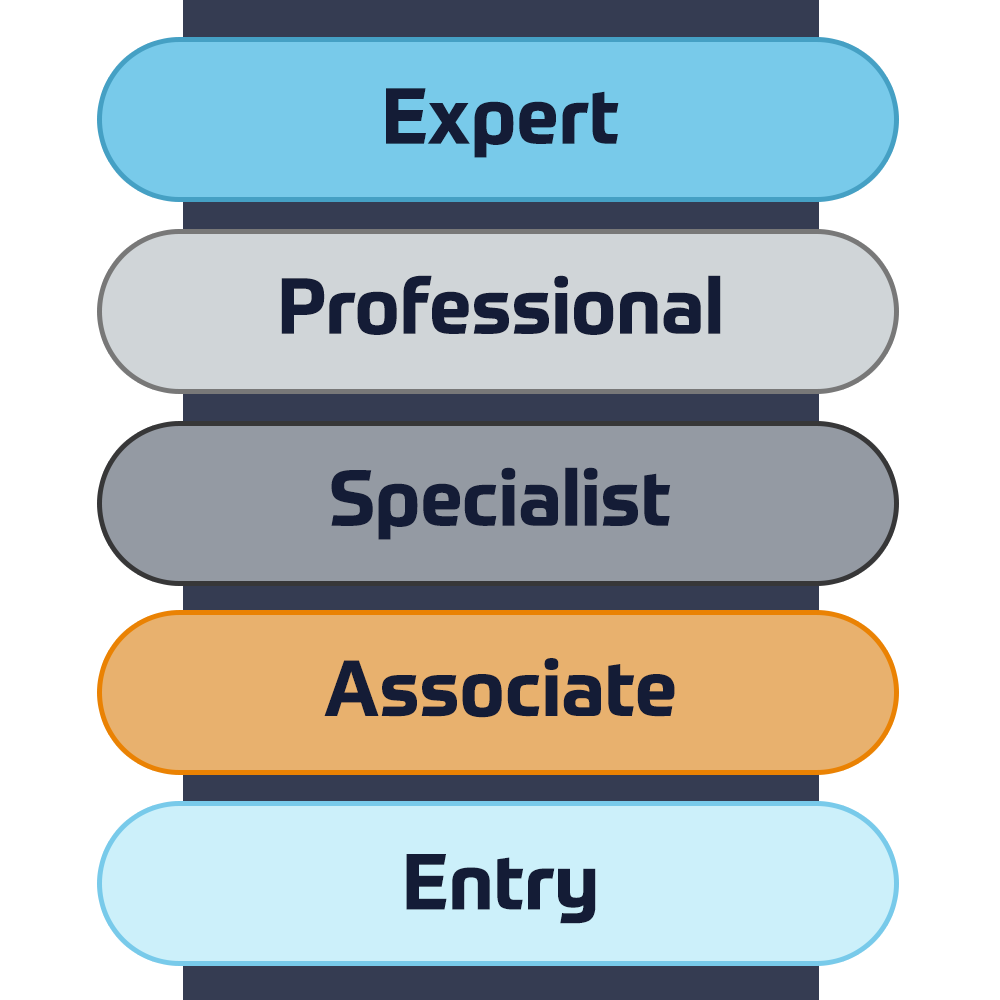
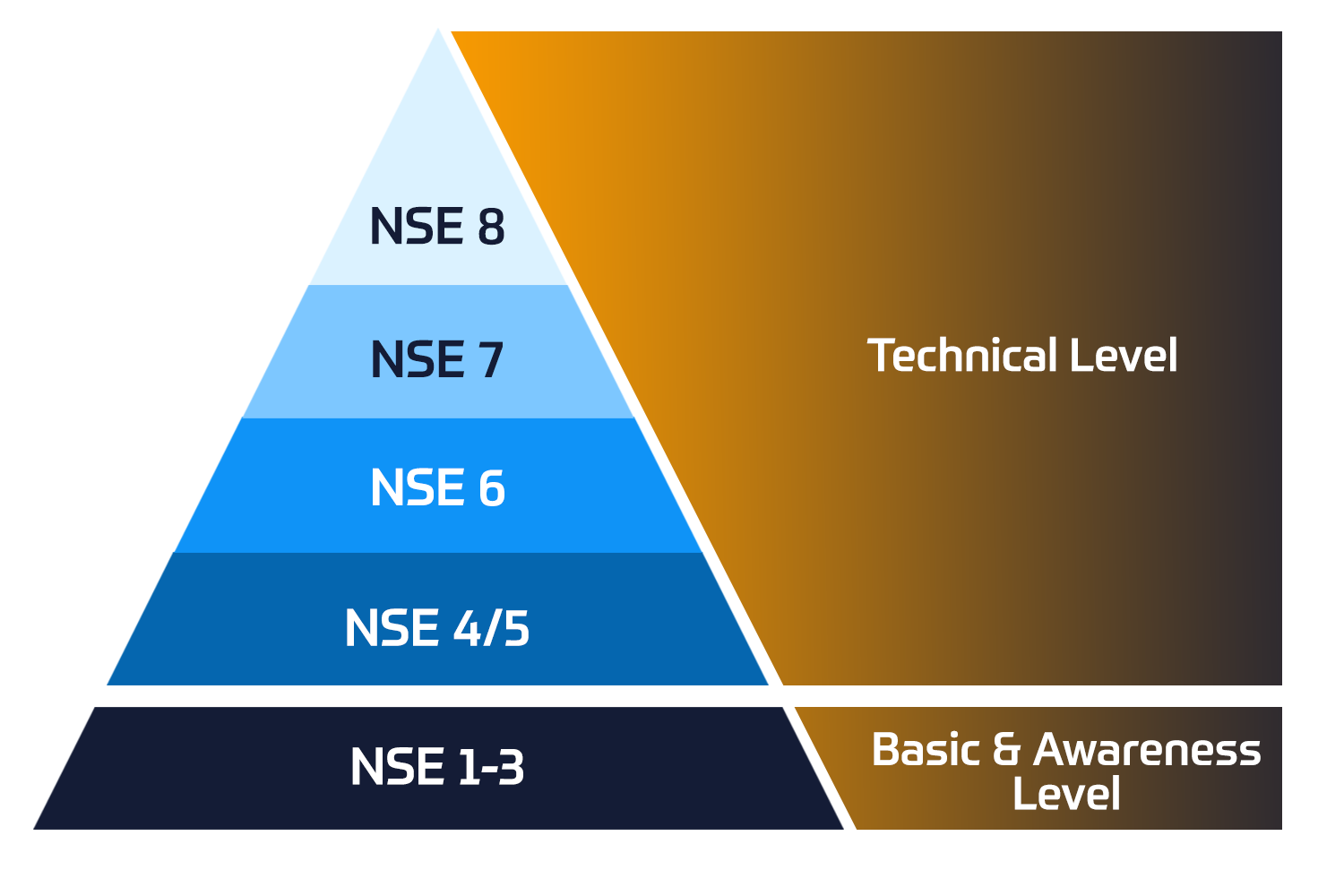
Structured learning track provide the clarity needed to achieve true technical proficiency. The Cisco Certifications Track offers a comprehensive roadmap for network mastery, guiding professionals from foundational principles to expert-level architecture. Similarly, security specialists benefit from the Fortinet Certification Track, which focuses on the granular details of the Fortinet Security Fabric. These official paths ensure your team isn’t just learning tools, but mastering the strategic logic behind them.
Flexible Learning for Global Teams
Modern enterprises require training solutions that respect their operational pace. While virtual instructor-led training (VILT) provides real-time access to seasoned experts, Cisco Digital Learning offers on-demand flexibility for distributed teams. Insoft Services delivers these programs with a focus on professional, courteous support, ensuring every student feels empowered to succeed in a high-stakes business context. This balance of theoretical depth and practical application is essential for maintaining agility in an ever-changing IT landscape.

No Comments