
 Finland
 Germany
 Denmark
 Sweden
 Italy
Italy Netherlands
 Norway

















Enterprises now adopting or actively implementing Zero Trust frameworks according to Gartner research, the shift away from traditional perimeter-based security is no longer optional. You likely recognize that a successful Fortinet zero trust implementation requires more than just deploying new services; it demands a fundamental change in how your organization validates every user and device across the network. While the sophistication of ransomware and lateral movement threats continues to escalate, many leadership teams struggle with the inherent complexity of migrating legacy systems and a lack of internal expertise to manage Zero Trust Network Access (ZTNA) effectively.
We understand the pressure to secure your infrastructure while maintaining operational agility during this significant transition. This guide provides a clear strategic roadmap to help you leverage the latest advancements in FortiOS and AI-driven security services to reduce your attack surface. You’ll learn how to bridge the gap between complex technical requirements and the human skills needed to sustain them. We’ll explore the critical components of a modern architecture, including identity verification and the professional training pathways that empower your workforce to maintain high-level proficiency in a high-stakes business environment.
Understanding the Role of a Zero Trust Firewall
A successful Fortinet zero trust implementation redefines the firewall from a simple perimeter barrier into a sophisticated, identity-centric protection engine. Traditional security models relied on a "trust but verify" approach; they assumed that anything residing inside the corporate network was safe. The modern Zero Trust Architecture replaces this outdated assumption with a rigorous "never trust, always verify" mandate. In this framework, FortiGate Next-Generation Firewalls function as the primary Policy Enforcement Point (PEP). They scrutinize every access request based on real-time context. They ensure identity, device health, and application signatures align with strict policies before granting entry. This shift ensures that security isn’t just a boundary, but a continuous verification process.
Achieving this level of security requires granular visibility across the entire digital attack surface. Professionals can achieve high-level proficiency in managing these complex environments through specialised Fortinet training. We recommend that organizations identify every user, device, and application attempting to communicate within their ecosystem. By integrating FortiGate with the broader Security Fabric, administrators gain the telemetry needed to make informed, automated decisions. This visibility is the foundation of a robust Fortinet zero trust implementation. It allows for the precise application of security rules that follow the user regardless of their physical location.
Why Traditional Perimeter Security is No Longer Sufficient
The traditional "castle and moat" strategy has effectively dissolved. Remote work and rapid cloud adoption have pushed data and users outside the physical office, making the old perimeter irrelevant. If a threat actor bypasses a legacy firewall, they often find themselves in an environment that allows unrestricted lateral movement. This lack of internal segmentation enables attackers to dwell within networks for months, escalating privileges and exfiltrating sensitive data without detection.
The Core Principles of Zero Trust Network Access (ZTNA)
ZTNA is a strategic approach that provides secure, encrypted access to specific applications based on verified identity and context rather than network location. It operates on the principle of least-privilege access, ensuring users only reach the resources necessary for their specific roles. Continuous authentication remains vital; the system re-verifies the user’s status and device posture throughout the entire session to mitigate risks from hijacked credentials or compromised endpoints.
Strategic Pillars of Fortinet Zero Trust Architecture
While many organizations aim for a Fortinet zero trust implementation, they often encounter obstacles due to a lack of specialized internal talent. Recent industry data suggests that corporate boards prioritize cybersecurity, yet a significant skills gap remains a hurdle for successful execution. To overcome this, we recommend aligning your strategy with established frameworks like CISA’s Zero Trust Maturity Model. This model emphasizes a phased approach that starts with identity verification and moves toward fully automated security operations. By focusing on these core pillars, your team can build a resilient infrastructure that protects critical assets from sophisticated ransomware threats.
Leveraging FortiAuthenticator and FortiToken
Identity serves as the new perimeter in a modern security framework. FortiAuthenticator acts as a centralized identity provider, ensuring that only authorized individuals can access sensitive resources. By deploying FortiToken for multi-factor authentication, administrators verify user identities with high precision. These tools integrate directly with the FortiOS Administrator environment. This synergy allows for seamless management of access policies across the entire security fabric. It’s a critical step in building a workforce capable of maintaining advanced security protocols while ensuring organizational agility.
Micro-segmentation: Reducing the Blast Radius
Micro-segmentation involves dividing the network into small, granular zones to isolate specific workloads. This strategy ensures that even if one segment is compromised, the threat doesn’t spread laterally across your network. FortiGate firewalls enforce these strict internal policies, effectively shrinking the "blast radius" of any potential breach. By identifying your "Protect Surface," which includes your most critical data and applications, you can apply targeted security measures where they matter most. This level of isolation is a cornerstone of a successful Fortinet zero trust implementation.
Continuous monitoring and automated response complete this architectural vision. Integrated security fabric operations allow for real-time detection and immediate mitigation of anomalous behavior. For professionals looking to master these complex systems, exploring our Fortinet certification track is an excellent way to bridge the internal expertise gap and ensure your organization remains secure.
A Framework for Fortinet Zero Trust Implementation
Transitioning to a zero trust model requires a structured methodology that respects the complexities of modern, multi-vendor environments. While many guides offer surface-level advice, we advocate for a deeper integration with global standards such as the NIST Special Publication 800-207. This approach ensures that your Fortinet zero trust implementation is both resilient and compliant with international best practices. By following a logical progression, your organization can move from legacy perimeter security to a dynamic, identity-based posture.
-
Step 1: Define the Protect Surface. Begin by auditing all critical assets, sensitive data, and essential services to create a focused security perimeter around what truly matters.
-
Step 2: Map the Transaction Flows. Gain a comprehensive understanding of how users, applications, and devices interact across your network to identify legitimate traffic patterns.
-
Step 3: Architect the Zero Trust Network. Deploy Fortinet Security Fabric components to create a unified defense layer that spans cloud, on-premise, and remote environments.
-
Step 4: Create the Zero Trust Policy. Establish granular rules based on the "Who, What, When, Where, and How" of every access request.
-
Step 5: Monitor and Maintain. Utilize continuous telemetry and log analysis to refine policies and detect anomalies in real time.
Mapping Transaction Flows for Greater Visibility
Understanding traffic patterns is vital before applying restrictive policies that could inadvertently disrupt business operations. Fortinet tools provide a "single pane of glass" view, offering the deep visibility required to see exactly how data moves between segments. This transparency allows administrators to distinguish between necessary business communications and potential threat vectors. By mapping these flows accurately, you ensure that your Fortinet zero trust implementation supports productivity rather than hindering it. It’s about seeing the network clearly before you secure it.
Developing Granular Access Policies
Effective security relies on least-privilege policies that restrict access to the bare minimum required for a specific role. For example, you might configure a policy where HR personnel can access payroll data only during standard business hours from verified corporate devices. Designing these complex policy sets requires precision and strategic depth. We recommend engaging with Professional IT Consultancy to ensure your rules are robust and scalable. Our experts help you navigate the nuances of policy orchestration to protect your organization’s most valuable assets while maintaining operational agility.
If you’re ready to modernize your security posture, please consider our specialised Fortinet professional services to guide your strategic transition and empower your technical teams.
Optimising Implementation through Professional Enablement
The technical architecture of a Fortinet zero trust implementation is only as effective as the experts who maintain it. While we’ve explored the strategic pillars and the NIST framework, the human element remains the most significant variable in organizational resilience. Many enterprises find that the lack of internal expertise to manage Zero Trust Network Access (ZTNA) prevents them from fully realizing the benefits of their security investments. By addressing this gap through specialized enablement, your organization transitions from reactive defense to proactive strategic growth. We invite you to view professional development not merely as instruction, but as a critical component of your security posture.
The Importance of Fortinet Authorised Training
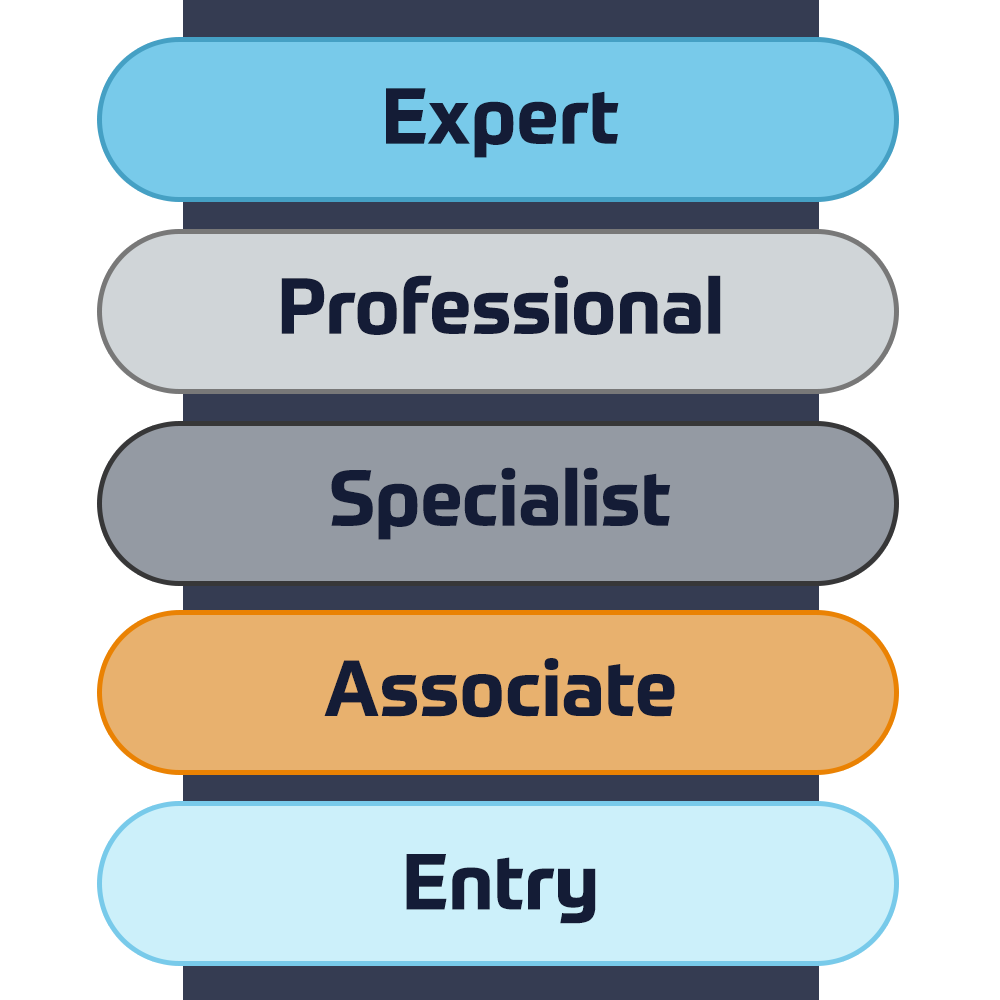
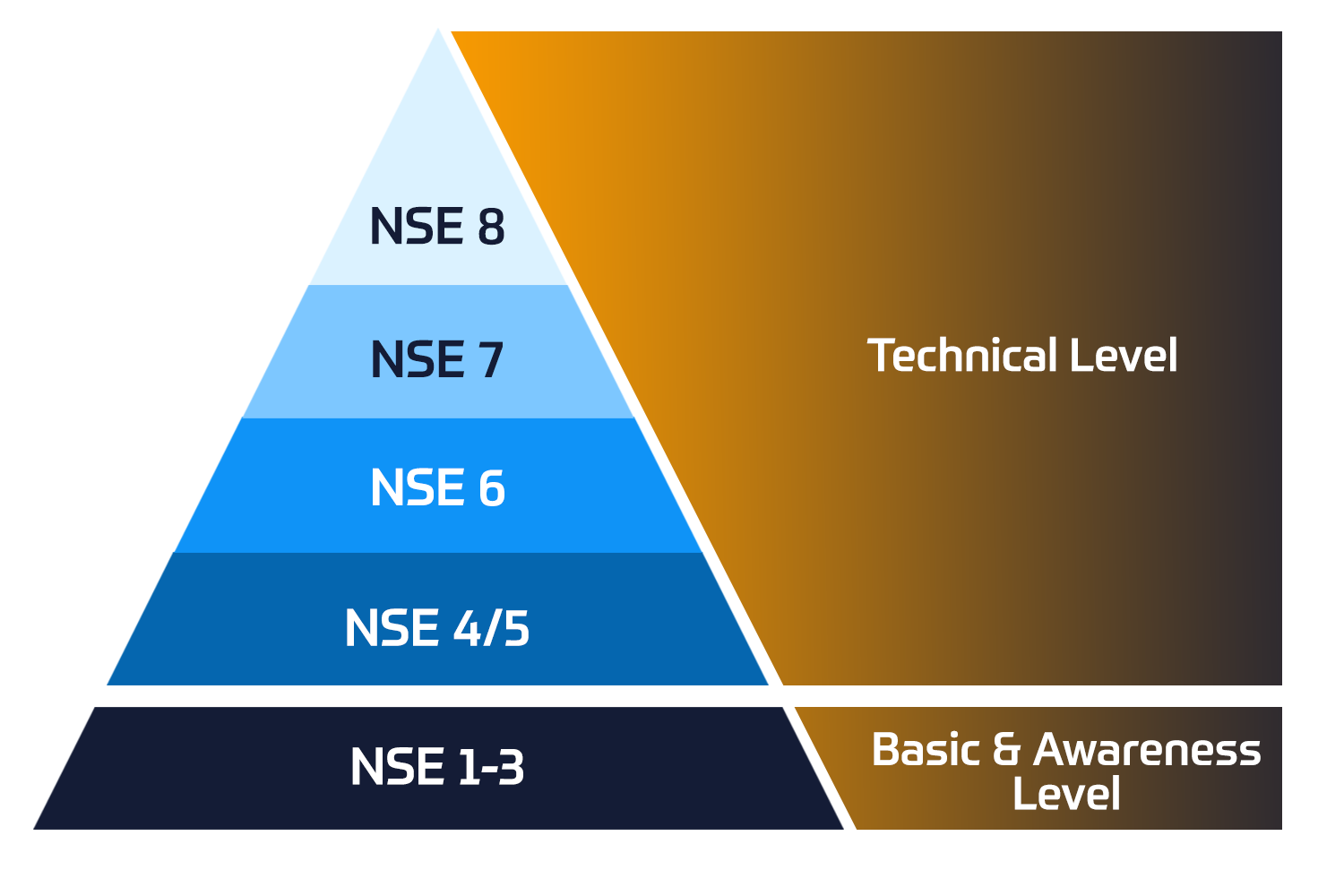
Our role as a Premier Authorised Training Center (ATC) allows us to provide the rigorous, official instruction required for high-level proficiency. We recommend the Fortinet Certification Track as a structured benchmark for your technical team’s development. Certified professionals don’t just manage systems; they optimize them. This expertise leads to a documented reduction in configuration errors and ensures your team stays ahead of the increasing sophistication of ransomware. Continuous education ensures that your workforce remains capable of harnessing the latest AI-driven features in FortiOS.

No Comments