
 Finland
 Germany
 Denmark
 Sweden
 Italy
Italy Netherlands
 Norway



























Building a Cybersecurity Training Program for Developers: A Strategic Implementation Guide
If 74% of security breaches involve the human element according to the 2023 Verizon Data Breach Investigations Report, why do most organizations treat developer education as a compliance checkbox rather than a strategic asset? A 2023 GitLab survey revealed that while 56% of developers now take ownership of security, they remain constrained by high pressure for rapid feature delivery. You’ve likely seen how generic, uninspired training modules fail to address the nuances of your specific tech stack. Building a cybersecurity training program for developers requires a departure from these one-size-fits-all approaches; it demands a curriculum that respects the technical sophistication of your team.
This guide outlines how to architect a role-based initiative that empowers your developers to integrate security into every stage of the software lifecycle. We’ll examine the methodologies required to achieve a secure SDLC by default, reduce rework caused by security bugs, and cultivate a lasting culture of shared responsibility. By aligning your educational goals with organizational growth, you transform security from a bottleneck into a competitive advantage.
The Strategic Imperative: Why Traditional Security Awareness Fails Developers
General security awareness training often centers on identifying phishing emails or maintaining password hygiene. While these are vital for the average employee, they fail to address the technical complexities faced by engineering teams. Developers operate at the architecture and code level, where a single insecure API configuration or a vulnerable third-party library can expose millions of records. Building a cybersecurity training program for developers requires a shift from basic compliance to technical mastery. This transition ensures that security isn’t an afterthought but a core feature of the product itself.
Ignoring security during the early stages of the Software Development Lifecycle (SDLC) leads to massive security debt. Data from the Systems Sciences Institute at IBM indicates that fixing a vulnerability during the maintenance phase is 100 times more expensive than addressing it during the design stage. By integrating a structured, role-based learning journey, organizations empower their teams to identify flaws before they reach production. This proactive approach eliminates the friction caused by late-stage security audits that frequently derail release schedules.
The “Productivity Paradox” suggests that security requirements slow down deployment. However, industry benchmarks show that teams with high security competence experience a 20% reduction in rework. While the initial learning curve requires time, the long-term result is a significant increase in deployment velocity. Security skills transform from a perceived “blocker” into a strategic accelerator for the entire enterprise.
Overcoming Cultural Resistance in Engineering Teams
Engineering cultures often prioritize speed and feature delivery over rigorous security checks. To change this, leadership must move from “blocker” security to “enabler” security through technical empowerment. The ‘Secure Developer’ will emerge as a high-value asset in the 2026 talent market, commanding premium compensation for their ability to architect resilience into every line of code. Gaining executive sponsorship is easier when you frame upskilling as a risk mitigation strategy that reduces the Mean Time to Remediation (MTTR). Aligning training with industry standards, such as the AWS certification track, provides developers with recognized credentials while strengthening the organization’s cloud security posture.
Architecting a Role-Based Curriculum: Aligning Skills with the Secure SDLC
Architecting a role-based curriculum means moving beyond generic security awareness. It’s about precision. When building a cybersecurity training program for developers, organizations should adopt the NIST NICE Framework to isolate specific technical competencies for front-end, back-end, and DevOps engineers. This framework identifies 52 distinct work roles, allowing leaders to tailor learning paths that match actual job functions rather than using a one-size-fits-all approach. A 2023 Veracode report found that 32% of applications contain high-severity flaws upon their first scan; a statistic that highlights the urgent need for role-specific mastery early in the Secure SDLC.
Foundational networking knowledge remains a critical, yet often overlooked, pillar of application security. Developers don’t just write code; they build systems that interact with complex protocols. Integrating multi-vendor perspectives ensures that your team understands how security configurations in one layer affect the entire enterprise infrastructure. To ensure immediate impact, training modules must map directly to the OWASP Top 10 and SANS Top 25 vulnerabilities. This practical alignment empowers developers to recognize and mitigate risks like injection, broken access control, and cryptographic failures before they reach production. You can explore our comprehensive technology courses to begin your team’s transformation.
Security Training for Cloud-Native and Hybrid Environments
Cloud-native development requires a shift in mindset regarding the shared responsibility model. It’s not enough to secure the application layer if the underlying configuration is flawed. Developers working in these ecosystems benefit significantly from AWS certifications, which provide the technical depth needed to manage identity management and data encryption at scale. These skills are vital for maintaining a future-ready posture in hybrid environments.
Network-Aware Development and IoT Security
Modern developers must understand software-defined networking and secure access service edge (SASE) to build resilient applications. As edge computing expands, specialized tracks such as Extreme Networks training become essential for those managing IoT and edge devices. Understanding how traffic flows across these segments prevents lateral movement during a breach, ensuring that security is baked into the network fabric itself.
A Step-by-Step Roadmap to Executing Your Training Initiative
Executing a successful strategy requires a shift from passive consumption to active engagement. The process begins with a baseline skills assessment. Organizations shouldn’t rely on static quizzes; instead, they should employ Capture The Flag (CTF) competitions or technical benchmarking to identify real-world gaps. A 2023 Snyk report found that 56% of organizations struggle with a lack of security skills in their development teams, making this initial data point critical for tailoring the curriculum.
Design modular learning paths that blend on-demand content with instructor-led sessions. This hybrid approach ensures flexibility while maintaining the rigor of expert guidance. To scale these efforts, implement a ‘Security Champions’ program. By empowering 10% of the engineering staff as peer mentors, you foster organic knowledge transfer that bridges the gap between security mandates and daily coding practices. Success in building a cybersecurity training program for developers is measured by tangible outcomes: aim for a 30% reduction in vulnerability density within the first six months of implementation.
Integrating Authorized Certification Tracks
Authorized certifications provide the structural backbone for professional growth. Linking internal training to globally recognized credentials, such as the Cisco certifications track, ensures that developers meet rigorous international standards. Specialized modules, including the FortiOS Administrator course, offer deep dives into network defense. These tracks equip teams with the precision needed to secure complex, multi-vendor infrastructures against sophisticated threats.
Hands-On Labs and Immersive Learning
Theoretical knowledge often fails during high-pressure incidents. Technical teams need ‘live-fire’ ranges and simulated breach scenarios to build genuine muscle memory. These immersive labs allow developers to practice remediation in environments that mirror their actual production stacks. A 2022 IBM study indicated that organizations with well-trained incident response teams saved $2.66 million per breach compared to those without such preparation.
Leveraging Authorized Training Partners for Multi-Vendor Mastery
Generic video libraries often fail to address the nuance of complex enterprise environments. While basic platforms offer broad overviews, they lack the vendor-validated labs and real-time troubleshooting essential for building a cybersecurity training program for developers. Authorized training ensures your team works within official sandboxes, reducing the 30% error rate often seen in self-taught implementations. This precision is vital when securing high-stakes production environments where a single misconfiguration can lead to a systemic breach.
Maximizing a training budget requires more than just picking courses; it demands strategic financial management. Organizations can optimize their fiscal resources by utilizing Cisco Learning Credits. This strategic tool allows businesses to convert hardware or software investments into high-impact skill development. It’s a method used by over 60% of high-growth tech firms to maintain technical agility without recurring budget friction. By treating training as a capital investment rather than a periodic expense, leaders ensure their teams remain at the cutting edge of defense.
The Value of Expert-Led Instruction in 2026
By 2026, the rising complexity of AI-driven security threats will make mentor-led training the non-negotiable gold standard. Passive learning cannot replicate the interactive feedback loop of a certified instructor who adapts the curriculum to your specific architecture. We specialize in designing bespoke training-courses-technology programs that align with your unique multi-vendor stack. This consultative approach is the most effective way to begin building a cybersecurity training program for developers that delivers measurable ROI through reduced vulnerability counts.
Insoft Services acts as your global partner for end-to-end technical empowerment. We don’t just deliver curriculum; we provide a consultative bridge between your current capabilities and a future-ready security posture. Our multi-vendor expertise ensures your developers master the specific tools they use daily, whether they’re working in cloud-native environments or legacy systems. We provide the strategic depth required to transform a standard IT team into a proactive security powerhouse, operating across borders with consistent, high-standard delivery.
Securing the Future of Your Development Lifecycle
Transitioning from generic awareness to technical mastery isn’t just a security preference; it’s a business necessity. IBM’s 2023 Cost of a Data Breach Report highlights that the global average cost has reached $4.45 million, making proactive defense more critical than ever. Success requires architecting a role-based curriculum that integrates directly into your Secure SDLC. This approach ensures your engineers possess the specific skills needed to mitigate vulnerabilities before they reach production.
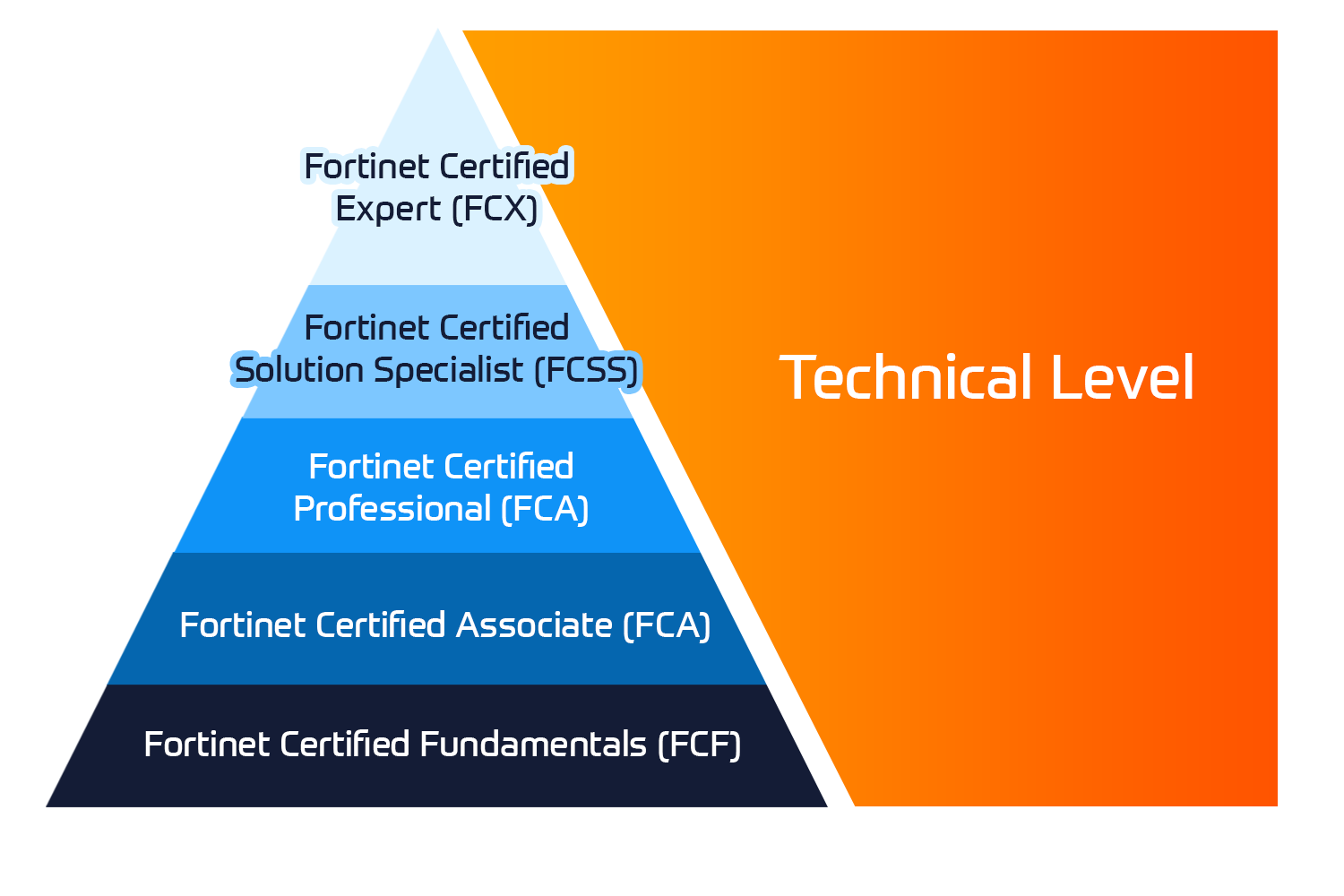
When building a cybersecurity training program for developers, organizations must prioritize multi-vendor proficiency to address the complexities of modern cloud infrastructures. Insoft Services operates as an Authorized Cisco Learning Partner and a Fortinet Premier Authorized Training Center, providing the strategic depth required for high-stakes environments. We combine global reach with localized technical expertise to help your team achieve true mastery across diverse technology stacks.
Empower your engineering team with our strategic cybersecurity training consultancy. Together, we’ll transform your security posture into a lasting competitive advantage.
Frequently Asked Questions
How often should developers undergo cybersecurity training?
Developers should engage in formal cybersecurity training at least once every 12 months to maintain compliance with global standards. While annual sessions provide a strategic baseline, the SANS Institute recommends supplemental monthly micro-learning modules to keep pace with the 22,000 new vulnerabilities discovered annually. This continuous approach ensures your team’s skills remain sharp and future-ready as the threat landscape evolves.
Can we align our developer training with NIST or ISO 27001 standards?
Aligning your curriculum with the NIST Cybersecurity Framework or ISO 27001:2022 is a critical step when building a cybersecurity training program for developers. These frameworks provide a structured roadmap for identifying, protecting, and responding to threats. By mapping your training to ISO 27001 Annex A.14, you ensure that security is integrated into the entire software development lifecycle, empowering your organization so it’s ready to meet rigorous international audits.
What is the role of Security Champions in a training program?
Security Champions serve as internal advocates who bridge the communication gap between specialized security departments and engineering teams. The OWASP Security Champions Guide suggests maintaining a ratio of one champion for every 20 developers to ensure effective peer-to-peer mentorship. These individuals receive advanced training to lead code reviews and identify flaws early, which significantly reduces the burden on your central security office while fostering a culture of mastery.
How do we measure the ROI of a developer security training program?
You can quantify ROI by tracking the reduction in critical vulnerabilities identified during production and the decrease in mean time to remediate (MTTR). According to a 2023 Ponemon Institute study, organizations that invest in building a cybersecurity training program for developers see a 45% reduction in breach-related costs. Strategic mastery of secure coding practices directly translates into fewer expensive emergency patches and protects your brand’s global reputation.
Should we focus on language-specific security training or general principles?
Effective programs prioritize language-specific training for 70% of the curriculum while grounding the remaining 30% in general security principles. General concepts like the Principle of Least Privilege are foundational, but developers don’t just need theory; they require practical expertise in their specific tech stack. Veracode data shows that 24% of Java applications struggle with cross-site scripting, requiring tailored, multi-vendor instruction to achieve technical excellence across diverse environments.

No Comments