
 Finland
 Germany
 Denmark
 Sweden
 Italy
Italy Netherlands
 Norway























ISC2 Certification Guide 2026: Building Global Cybersecurity Mastery
The 2023 ISC2 Cybersecurity Workforce Study reveals a global talent shortage of 4 million professionals, which marks a 12.6 percent increase in the demand for certified expertise over the previous year. You likely recognize that technical proficiency alone no longer suffices when AI-driven threats evolve every 14 seconds, making an isc2 credential more critical than ever for career stability. It’s difficult to bridge the gap between abstract security theory and the practical, vendor-specific configurations required in your daily operations. We understand the pressure to remain relevant while managing complex, multi-vendor environments that demand both strategic depth and tactical agility.
This guide empowers you with a definitive roadmap to achieve professional mastery by 2026, ensuring your skills translate into global recognition and increased leadership potential. We’ll analyze how these certifications serve as the vital foundation for a sophisticated career architecture, balancing neutral frameworks with specific technical execution. You’ll explore the certification hierarchy, learn to integrate these credentials with your existing vendor portfolio, and discover how to secure a professional advantage that reflects your status as a high-value security architect.
Understanding ISC2: The Global Standard for Cybersecurity Professionalism
Established in 1989, the International Information System Security Certification Consortium, commonly known as isc2, serves as the premier non-profit professional association for cybersecurity leaders. Its status as a 501(c)(6) organization is fundamental to its mission. This specific tax-exempt designation ensures the association operates to advance the interests of the profession rather than generating profit for shareholders. By maintaining this structure, the organization upholds a strict Code of Ethics that mandates all certified practitioners act honorably, honestly, and legally to protect society and the infrastructure. For a comprehensive overview of its governance and historical milestones, the ISC2 Wikipedia Page provides valuable context on its evolution since the late 1980s.
The impact of the organization is visible through its global reach, currently supporting over 265,000 certified members. While its influence is worldwide, the EMEA region has become a critical hub for these professionals as they address complex regulatory requirements like GDPR. One of the most significant advantages of this certification body is its commitment to vendor-neutrality. Unlike platform-specific training, isc2 certifications focus on high-level security architecture and governance. This approach is a prerequisite for strategic roles, as it empowers professionals to design resilient systems that integrate diverse technologies, including AWS cloud environments or complex network infrastructures, without being tethered to a single manufacturer’s ecosystem.
The Core Philosophy of the Common Body of Knowledge (CBK)
The Common Body of Knowledge (CBK) functions as the definitive framework for international cybersecurity standards. It’s a comprehensive collection of topics that ensures a consistent technical language for professionals globally. By mastering the CBK, practitioners demonstrate they can apply theoretical security principles to real-world business challenges. This shared taxonomy allows a security manager in London to collaborate seamlessly with a risk analyst in Singapore, ensuring that global security operations remain cohesive and strategically aligned.
Membership Benefits and Professional Advocacy
Membership extends far beyond passing an initial examination. It grants access to a global network of over 150 local chapters, where professionals engage in peer-to-peer mentoring and localized advocacy. To ensure that mastery remains current, members must adhere to Continuing Professional Education (CPE) requirements. For instance, CISSP holders are required to earn 120 CPE credits every three years. This structured commitment to lifelong learning ensures that the workforce stays future-ready and capable of navigating the shifting digital landscape with confidence and precision.
The ISC2 Certification Pathway: Mapping Your Professional Mastery
The ISC2 framework provides a structured progression for cybersecurity professionals seeking global recognition. For those entering the field, the Certified in Cybersecurity (CC) credential serves as a vital entry point, removing traditional barriers for 100,000 global candidates through its foundational curriculum. It’s a strategic starting point. As professionals advance, the distinction between the Systems Security Certified Practitioner (SSCP) and the Certified Information Systems Security Professional (CISSP) becomes critical. The SSCP focuses on technical excellence in security operations, while the CISSP, often cited among the Forbes Best Cybersecurity Certifications, targets strategic leadership and risk management.
For specialists focusing on virtualized environments, the CCSP addresses the 85 percent of enterprises now operating in multi-cloud architectures. Senior-level experts can further refine their mastery through concentrations like ISSAP for architecture, ISSEP for engineering, or ISSMP for management. These credentials empower leaders to secure complex systems with surgical precision. We invite you to consider how these specialized tracks align with your long-term career objectives.
2026 AI Security Integration in ISC2 Domains
The 2026 updates have integrated artificial intelligence across 50 core cybersecurity exam domains to reflect modern threat vectors. This integration ensures that the ISC2 curriculum remains relevant as machine learning becomes central to both defense and attack strategies. AI’s role in the 2026 CISSP domain refresh focuses on the governance, risk management, and secure deployment of machine learning models within the enterprise security architecture. This ensures candidates can manage the dual nature of AI as both a defensive tool and a potential vulnerability.
Choosing the Right Certification for Your Career Stage
Selecting the correct ISC2 credential depends on your verifiable professional history and technical depth. The CISSP requires five years of cumulative, paid work experience in two or more of its eight domains, whereas the SSCP requires only one year of experience in one of its seven domains. Professionals often find the professional ‘sweet spot’ for transitioning from technical to leadership roles after achieving 48 months of specialized experience. At this junction, pursuing the CISSP-ISSMP concentration can accelerate your path to Chief Information Security Officer roles. To begin your journey, you can explore our comprehensive training courses to find your path.
Synergising Vendor-Neutral Mastery with Vendor-Specific Expertise
Modern network infrastructures require a sophisticated blend of theoretical framework and technical execution. While isc2 certifications establish a high-level strategic foundation, they reach their full potential when paired with vendor-specific proficiency. This multi-vendor approach is vital; industry data from 2024 indicates that 76% of enterprises now utilize two or more cloud providers, making a single-vendor mindset obsolete for high-level security roles.
The synergy between the CISSP and certifications from Cisco or Fortinet represents a “Gold Standard” in the industry. This combination ensures that policy isn’t just written but effectively enforced. For instance, the UK Government and ISC2 Collaboration highlights how professional standards influence national security frameworks. It proves that high-level governance directly impacts practical defense strategies in the real world.
Complementing ISC2 with Fortinet Security Fabric
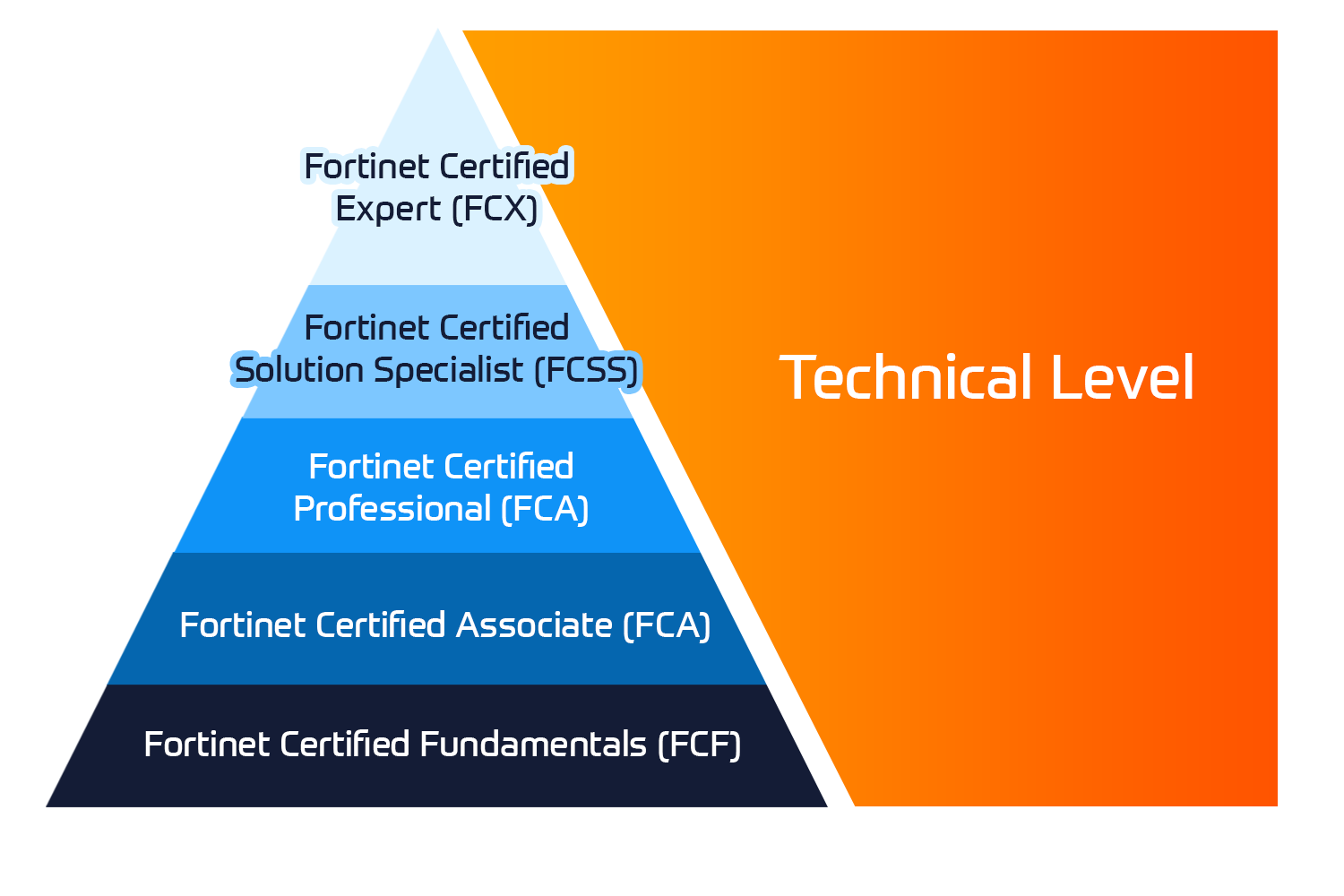
The Fortinet NSE track provides the technical depth required to operationalize isc2 governance models. Professionals can translate broad risk management strategies into automated threat responses within the Fortinet Security Fabric. This ensures that security isn’t a series of isolated silos but a unified, responsive ecosystem. View the Fortinet certification track for technical mastery.
Aligning Cisco Networking with ISC2 Security Principles
Implementing strategic Access Control domains becomes tangible through the Cisco Identity Services Engine (ISE). By using Cisco’s granular policy enforcement, administrators can execute Zero Trust architectures that align with global compliance requirements. This bridges the gap between high-level security policy and the actual technical configuration. Master Cisco certifications to execute security strategies that protect critical business assets.
Bridging the gap between security policy and technical configuration is the hallmark of a “future-ready” professional. Whether you’re deploying SASE architectures or securing remote workforces, the transition from theory to practice requires a deliberate educational path. We invite you to elevate your technical capabilities by exploring our comprehensive technology training courses.
Empowering Your Enterprise: Implementing ISC2 Training for Global Teams
Building a resilient security posture requires more than individual effort; it demands a unified workforce development strategy. By leveraging isc2 Enterprise Solutions, organizations align their human capital with the specific demands of the 2026 threat landscape. This strategic approach moves beyond ad-hoc certifications to create a structured roadmap for technical mastery. Organizations that invest in certified security teams see tangible financial returns. The 2024 IBM Cost of a Data Breach Report indicates that the global average cost of a breach reached $4.88 million. Companies with high levels of security training reduced these costs by an average of $1.5 million compared to those with significant skill gaps. Additionally, cyber insurance providers frequently offer premium reductions of up to 15% for enterprises that maintain a high ratio of certified professionals.
Strategic consultancy is the first step in this evolution. Expert assessments identify specific vulnerabilities within your internal talent pool, allowing for targeted training interventions. Utilizing an authorized training partner ensures your team receives the most current curriculum, which directly impacts exam pass rates and staff retention. Statistics from the 2023 ISC2 Cybersecurity Workforce Study show that 67% of professionals feel their organizations lack enough staff to be effective. Professional training mitigates this by maximizing the efficiency of existing personnel. It’s a proven method to enhance collective intelligence while securing the digital perimeter.
Customised Team Training and Managed Learning
Virtual Instructor-Led Training (VILT) offers a scalable solution for distributed global teams, providing the benefits of a physical classroom without the logistical overhead. This model facilitates a transition from individual achievement to a culture of continuous organizational learning. Teams collaborate in real-time, solving complex scenarios that mirror their actual production environments. This approach ensures that security principles remain deeply embedded within the company’s operational DNA, regardless of geographic location.
The Insoft Advantage: Strategic Mentorship and Mastery
Insoft Services bridges the critical gap between theoretical knowledge and real-world application. Our instructors provide expert-led guidance on complex IT topics, ensuring that every session remains professional, polite, and highly informative. We translate official isc2 curriculum into actionable strategies tailored for your specific infrastructure. This mentorship empowers your staff to drive digital transformation with confidence. You can explore our broader technology offerings through our training courses to complement your security strategy and ensure a future-ready enterprise.
Securing Your Global Digital Infrastructure for 2026
Navigating the 2026 cybersecurity landscape requires more than just technical awareness; it demands a structured approach to global professional mastery. By integrating the vendor-neutral principles of isc2 with specialized expertise from industry leaders like Cisco and Fortinet, your team builds a robust, multi-layered defense strategy. This specific synergy ensures that every professional understands high-level security architecture while maintaining the hands-on capability to manage complex, multi-vendor network environments. Insoft Services provides this dual-layered advantage as an Authorised Training Partner for both Cisco and Fortinet. Our EMEA-wide reach enables organizations to implement consistent, high-standard training programs across diverse geographic regions. We deliver strategic IT consultancy and managed security services that bridge the critical gap between theoretical knowledge and real-world application. It’s time to transform your security posture into a resilient, enterprise-grade asset that’s ready for any challenge. We invite you to empower your career with official IT training at Insoft Services. Your journey toward technical excellence and professional leadership starts with the right strategic partner.
Frequently Asked Questions
What is the most sought-after ISC2 certification in 2026?
The Certified Information Systems Security Professional (CISSP) remains the most sought-after isc2 certification in 2026. Recent 2025 employment surveys show that 72 percent of cybersecurity leadership positions require this specific credential for applicants. It empowers you to master eight critical domains, ensuring you’re prepared for the strategic demands of global digital transformation and complex infrastructure security.
Can I take an ISC2 exam without the required years of professional experience?
You can take an isc2 exam without the full professional experience by becoming an Associate of ISC2. This pathway allows candidates who pass the exam to earn a recognized status while they accumulate the five years of required experience. You’ll have exactly six years to complete these requirements after passing your exam, which provides a structured route toward achieving full professional mastery.
How has the CISSP exam changed to include Artificial Intelligence security?
The CISSP exam underwent significant updates in April 2024 to include Artificial Intelligence security within Domain 1 and Domain 8. By 2026, these requirements have expanded to cover the secure implementation of Large Language Models and adversarial machine learning defenses. You’ll need to demonstrate mastery in governing AI-driven automation and protecting data pipelines from these sophisticated, modern threats.
What is the difference between ISC2 and vendor-specific certifications like Cisco or Fortinet?
The main difference is that isc2 provides vendor-neutral certifications, while Cisco and Fortinet focus on specific product ecosystems. While a Cisco certification validates your skill with their proprietary hardware, an ISC2 credential establishes a strategic, high-level mastery of security principles. This multi-vendor perspective ensures your expertise remains valuable across any technical environment or cloud infrastructure, regardless of the specific brands used.
How much does it cost to maintain an ISC2 certification annually?
Maintaining your certified status requires a 125 dollar Annual Maintenance Fee (AMF) according to current ISC2 financial policies. This single payment covers every credential you hold, though you must also submit 40 Continuing Professional Education credits annually. These standards ensure you stay future-ready and keep your technical skills sharp as the global cybersecurity landscape continues to change and evolve.

No Comments