
 Finland
 Germany
 Denmark
 Sweden
 Italy
Italy Netherlands
 Norway


























Managing Stakeholder Expectations for IT Projects: A Strategic Guide
Why do 66% of IT projects face significant delays or failure despite having access to world-class technical talent? According to the Standish Group’s 2020 CHAOS report, the primary culprit isn’t a lack of coding skill, but a fundamental disconnect between technical execution and executive vision. You’ve likely felt the friction of scope creep during a complex cloud migration or struggled to justify a 20% increase in infrastructure spend to a board that views IT as a cost center rather than a strategic asset. Effectively managing stakeholder expectations for it projects is the bridge that turns these technical hurdles into shared organizational victories.
We’re here to empower you with a structured framework designed to align technical deliverables with high-level business goals. This guide provides the tools to secure executive buy-in for critical technical debt and navigate the complexities of multi-vendor environments with precision. You’ll learn a logical, consultative approach to communication that ensures your networking and security migrations deliver measurable value. We’ll explore the specific methodologies required to transform your role from a technical executor into a strategic, future-ready partner.
The Dynamics of Stakeholder Expectations in Complex IT Projects
Managing stakeholder expectations for it projects begins by closing the “Technical-Strategic Gap.” This gap typically emerges when technical teams define success through deployment milestones while the board measures it through market share or operational efficiency. A 2023 report by the Standish Group reveals that only 31% of IT projects succeed in meeting all original goals. This discrepancy often stems from a lack of shared vision between those writing the code and those signing the checks.
Identifying each Project stakeholder is critical for alignment. In a standard enterprise deployment, roles include financial sponsors who demand a specific return on investment, technical gatekeepers who vet security protocols, and end-users who require zero downtime. Modern initiatives like cloud migrations or security overhauls demand frequent recalibration. Unlike legacy hardware refreshes, these projects are dynamic; 68% of IT leaders report that shifting priorities are the primary cause of project delays in agile environments.
Multi-vendor environments further complicate this dynamic. When integrating solutions from different technology providers, stakeholder confidence hinges on seamless interoperability. Managing these diverse interests requires a structured approach to communication and a deep understanding of how technical shifts impact the bottom line. It’s essential to maintain a global perspective, ensuring that localized technical hurdles don’t obscure the broader strategic objectives of the organization.
Bridging the Language Barrier Between IT and the Board
Effective communication requires translating technical KPIs into business outcomes. Instead of citing 99.99% uptime, explain it as protecting $50,000 in hourly revenue. This shift creates immediate clarity for non-technical leaders. It’s vital to practice polite persistence when technical constraints, such as latency issues in a global network, conflict with aggressive rollout dates. You’ll need to explain these hurdles clearly to ensure the board remains a supportive partner rather than a frustrated observer. This empowerment of the leadership team through knowledge is what separates successful project managers from the rest.
A Framework for Stakeholder Analysis and Alignment
Successful delivery hinges on a structured approach to managing stakeholder expectations for it projects. You’ll benefit from using a Power/Interest grid to map influence across your organization precisely. In a standard enterprise environment, identifying the 15% of stakeholders with high decision-making power is vital. These individuals require weekly strategic updates; meanwhile, the 40% of users affected by the implementation need clear, functional guidance to ensure adoption.
Establishing a Project North Star ensures technical milestones, like a 50-millisecond reduction in database latency, directly support corporate goals such as a 12% increase in transaction speed. You should implement a Responsibility Assignment Matrix (RACI) for every technical deliverable. This clarifies who manages firewall rule sets and who confirms cloud security protocols. Identifying technical blockers, such as 10-year-old legacy hardware, within the first 14 days of discovery avoids unexpected costs and keeps the project on track.
Categorising IT Stakeholders for Targeted Communication
IT projects involve diverse groups with competing priorities. Primary stakeholders include executive sponsors and technical architects who define the long-term vision. Secondary stakeholders, such as security officers and operations teams, manage daily implementation. By segmenting these groups, you ensure that architects receive technical blueprints while executives see high-level ROI projections. This tailored approach builds confidence and maintains alignment throughout the project lifecycle.
Conducting the Initial Technical Alignment Workshop
The discovery phase must set rigid boundaries for scope, budget, and timelines. You can use this session to benchmark your team’s current capabilities against industry standards. Aligning project requirements with Cisco certification pathways allows you to verify that your engineers possess the specific mastery needed for complex network deployments. This transparency builds trust and empowers organizations to invest in targeted technical training to close identified skill gaps before they impact the project timeline.
Practical Strategies for Maintaining Alignment During Implementation
Effective implementation relies on a bifurcated reporting structure. Technical teams require granular logs to track packet loss or API latency; however, leadership needs high-level strategic dashboards. These dashboards should focus on project milestones and ROI metrics rather than technical minutiae. Managing stakeholder expectations for it projects also demands a rigorous approach to scope creep. Every requested change must be evaluated against its impact on the existing security posture or network performance. For instance, adding a new user segment might increase firewall CPU utilization by 15%, which could potentially delay the migration timeline. This data-driven approach ensures that stakeholders understand the technical cost of their requests.
- Conduct bi-weekly “Show and Tell” sessions to demonstrate 10% incremental progress in migration phases.
- Define a 24-hour escalation path for technical conflicts that threaten the critical path.
- Map every change request to specific security vulnerabilities or latency benchmarks.
Transparency in the Face of Technical Challenges
Delivering negative news requires a balance of professional courtesy and immediate remediation. If a cloud migration hits a 4-hour downtime window instead of the planned 2 hours, you should present the root cause alongside a technical fix immediately. Engaging objective IT consultancy services provides a neutral perspective that stakeholders often trust more than internal reports. This validation ensures that leadership receives an unbiased audit of progress. It empowers them to make informed decisions based on technical facts rather than optimistic projections.
Leveraging Tools for Consistent Stakeholder Engagement
Multi-vendor environments often suffer from information silos that breed distrust. You should standardise your communication toolset, perhaps using a central platform for all vendors, to ensure a single source of truth. It’s also vital to document “implied expectations” that haven’t been voiced. Stakeholders often assume a system will be “fast,” but without defining a 200ms response time as the benchmark, you risk future misalignment. Clear documentation of these granular details is a hallmark of managing stakeholder expectations for it projects successfully. By quantifying the “unsaid,” you protect the project from subjective criticism during the final delivery stages.
Leveraging Professional Training to Secure Stakeholder Buy-in
IT initiatives often encounter friction when technical complexities collide with executive oversight. Professional certification serves as a powerful bridge. When your technical team holds recognized credentials like CCNA or AWS Professional, it provides a tangible trust signal to high-level sponsors. A 2023 Pearson VUE Value of IT Certification report indicates that 92% of IT decision-makers believe certified employees provide significantly more value. This level of verified expertise is essential for managing stakeholder expectations for it projects, as it anchors the project’s feasibility in global standards rather than internal assumptions.
Strategic enablement acts as a robust risk mitigation tool for complex digital transformations. Authorized training programs can reduce post-implementation errors by 30%, which directly correlates to lower operational costs. By including stakeholder education in your project plan, you can effectively demonstrate the “art of the possible.” This approach transforms stakeholders from passive observers into informed partners who understand the strategic ROI of their investments. They’ll see the direct link between team proficiency and reduced project delays.
Empowering Teams Through Authorised Learning
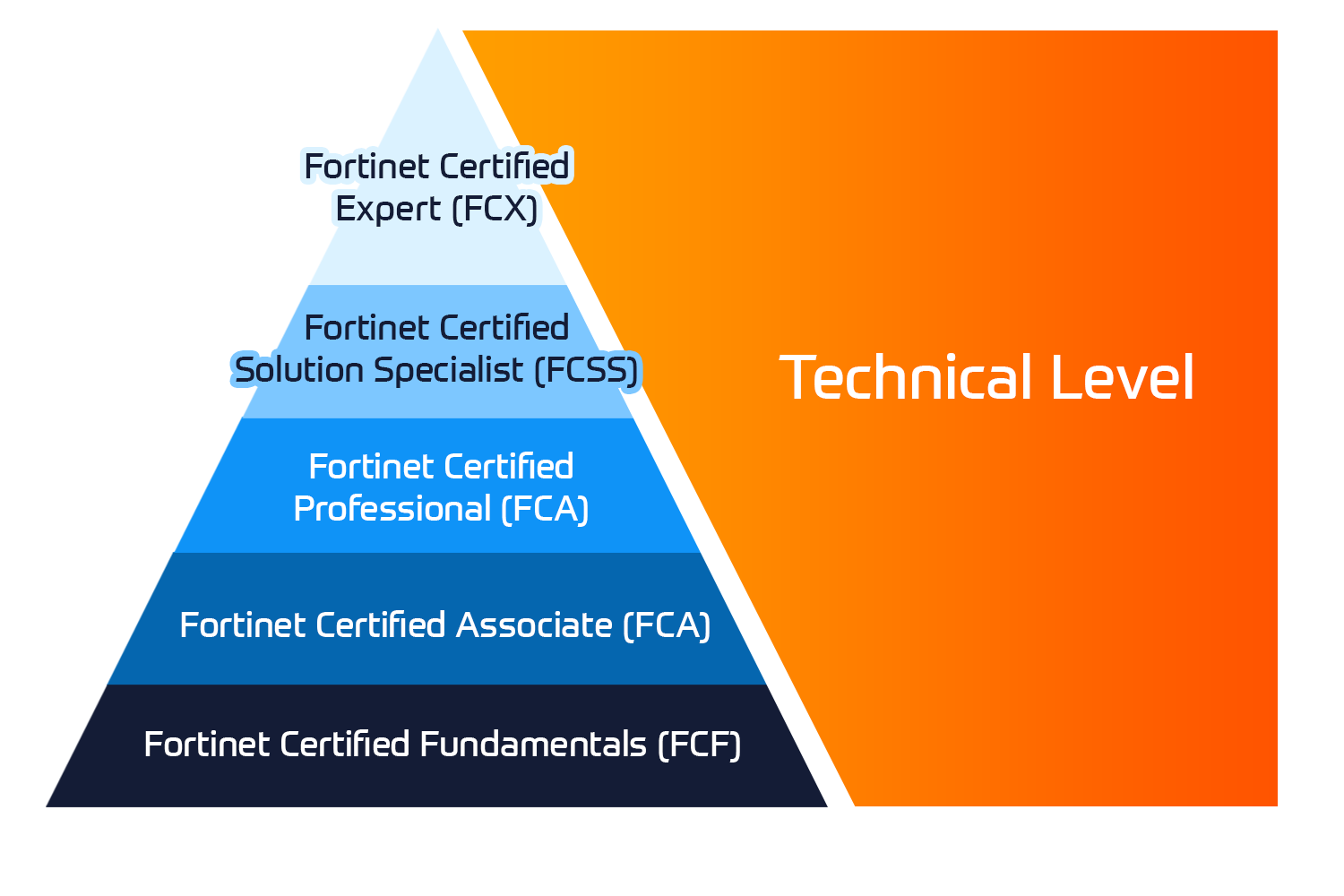
Specific technology tracks provide the necessary evidence to justify intricate architectural changes. For example, aligning Fortinet certification tracks with security deployments ensures that leadership understands the team’s capacity to mitigate modern threats. Likewise, leveraging AWS certification validates cloud migration roadmaps. This evidence-based approach helps hesitant stakeholders see the transition as a calculated move toward scalability. It replaces uncertainty with a clear, certified path toward success.
The Future-Ready Enterprise: Long-term Alignment
True organizational agility requires a shift from project-based thinking to a culture of continuous strategic alignment. This transition empowers your workforce to anticipate market shifts rather than merely reacting to them. Mastering the process of managing stakeholder expectations for it projects involves building a foundation of transparency and technical excellence. It’s about ensuring every team member is equipped for the next wave of innovation. Empower your team with Insoft Services authorised training to ensure your enterprise remains resilient and forward-thinking.
Driving Project Excellence through Strategic Stakeholder Alignment
Successful delivery hinges on moving beyond reactive communication toward a structured framework of stakeholder analysis. By identifying key influencers early and maintaining alignment throughout the implementation phase, project leaders can mitigate risks that often derail complex digital transformations. Effective managing stakeholder expectations for it projects requires a blend of technical precision and strategic diplomacy. This approach ensures that every milestone aligns with the overarching business objectives and the technical requirements of the modern enterprise.
Professional development remains the most reliable method to bridge the gap between technical complexity and executive buy-in. Insoft Services provides this essential foundation as an Official Cisco Learning Partner and a Fortinet Premier Authorised Training Centre. We combine our global reach with specialized UK expertise to ensure your team’s technical proficiency meets the highest industry standards. Our multi-vendor training programs empower professionals to navigate the intricacies of cloud infrastructure and network security with confidence. Master complex IT project delivery with our authorised vendor training. We’re committed to helping you achieve the technical mastery necessary for long-term organizational growth.
Frequently Asked Questions
What is the most common reason for stakeholder dissatisfaction in IT projects?
The primary driver of stakeholder dissatisfaction is the disconnect between technical deliverables and core business objectives. According to the 2023 Pulse of the Profession report by the Project Management Institute, 35% of IT project failures are attributed to inadequate communication. Effectively managing stakeholder expectations for it projects requires constant alignment between these two areas. When project teams focus solely on technical milestones, stakeholders often feel their strategic needs aren’t being met, leading to significant friction.
How do you handle a stakeholder who requests features that compromise network security?
You should address security-compromising requests by presenting a formal risk assessment based on the ISO/IEC 27001 framework. This objective approach allows you to demonstrate how a specific feature increases the attack surface by 40% or violates specific compliance protocols. By framing the refusal as a strategic move to protect the enterprise’s digital assets, you empower the stakeholder to make an informed decision. It’s about maintaining technical integrity while guiding the project toward success.
Can professional certifications help in managing stakeholder expectations?
Professional certifications like ITIL 4 or PMP provide structured frameworks that are essential for managing stakeholder expectations for it projects. These credentials equip leaders with standardized communication protocols and risk management techniques. For instance, an ITIL-certified professional uses Service Level Agreements to define clear boundaries, which reduces the likelihood of scope creep by 20% according to recent industry benchmarks. Achieving this mastery ensures you’re prepared for the complexities of modern digital transformation.
How often should I provide project updates to high-level IT stakeholders?
High-level IT stakeholders generally require strategic updates at 30-day intervals, supplemented by real-time access to automated project dashboards. While 75% of executives prefer concise, monthly executive summaries, you should maintain a bi-weekly cadence for high-priority initiatives. This structured rhythm ensures that senior leadership remains informed of progress toward digital transformation goals without becoming entangled in granular operational details. It provides the transparency needed to foster trust and ensure continuous alignment with corporate strategy.
What is the difference between managing stakeholders and managing expectations?
Managing stakeholders involves identifying and engaging the individuals who influence a project, whereas managing expectations focuses on aligning their perceptions with project reality. While the former is a relationship-driven process, the latter is a technical discipline centered on defining scope, timelines, and quality standards. Mastery in both areas is required to ensure that the 90% of stakeholders who expect immediate ROI understand the incremental nature of complex IT deployments. This distinction is vital for maintaining project velocity.

No Comments