
 Finland
 Germany
 Denmark
 Sweden
 Italy
Italy Netherlands
 Norway
























Mastering FortiAnalyzer Reporting: A Comprehensive Tutorial for 2026
Majority of security operations centers globally, do not meet regulatory compliance because they lack the tools to interpret raw data within the critical 72-hour reporting window. It’s difficult to justify security spend when your custom SQL queries take hours to run or produce fragmented results. This fortianalyzer reporting tutorial empowers you to master the technical complexities of log aggregation and turn them into sophisticated business intelligence. You’ll discover how to increase report generation efficiency and automate delivery to keep your stakeholders informed without manual intervention. We’ll provide a meticulous roadmap for building custom datasets that demonstrate a clear return on investment for your future-ready enterprise.
Understanding the FortiAnalyzer Reporting Architecture
FortiAnalyzer reporting is a systematic process that aggregates raw log data into structured, professional documents. It serves as a central intelligence hub within Fortinet’s product suite; this platform provides the visibility required for modern security operations. This fortianalyzer reporting tutorial focuses on the four architectural pillars that define the system’s logic:
- Logs: These represent the raw telemetry received from Fabric devices.
- Datasets: These are SQL-based queries that extract specific information from the log database.
- Charts: These provide visual representations, such as graphs and tables, based on dataset results.
- Reports: The final documents that compile multiple charts into a cohesive narrative.
Using Administrative Domains (ADOMs) allows organizations to achieve 100% data isolation. This ensures that sensitive traffic data remains visible only to authorized personnel, which is a requirement for maintaining strict internal privacy standards.
Predefined vs. Custom Reports: When to Choose Each
Fortinet provides over 300 predefined templates designed to meet the standard security audit requirements, including PCI-DSS and GDPR. These templates are highly efficient for routine monitoring and provide immediate value for new installations. However, custom reports become necessary when stakeholders require specific business-aligned metrics or unique executive summaries that standard templates don’t cover.
Most experienced administrators achieve a reduction in development time by cloning an existing template instead of starting from scratch. This strategy allows you to leverage proven SQL queries while tailoring the output to your organization’s unique strategic goals. Those seeking to advance their skills may find value in professional Fortinet training .
Configuring Datasets and Charts for Custom Insights
Datasets serve as the sophisticated SQL engine within FortiAnalyzer, filtering raw log data into structured packets for analysis. This fortianalyzer reporting tutorial emphasizes that datasets are the foundation of any robust analytics strategy. By adhering to effective log management practices, administrators ensure that their telemetry is both actionable and strategically aligned with organizational security goals.
The Chart Library provides the visual architecture for your intelligence. You can choose visual formats, including multi-dimensional bar graphs, granular tables, or distribution-focused pie charts. Mapping specific log fields to chart axes is a critical step for precision. For instance, assigning ‘srcip’ to the X-axis and ‘bandwidth’ to the Y-axis provides immediate clarity on network consumption. Please utilize the ‘Test’ button to validate your SQL syntax during this phase. This simple action prevents report generation failures by identifying logic errors before finalization.
Mastering SQL Datasets for Advanced Filtering
Advanced filtering requires precise SQL queries to extract meaningful intelligence from high-volume logs. A standard SELECT statement used to isolate high-threat events might look like this:
SELECT user, action, count(*) as total FROM $log WHERE severity=’high’ GROUP BY user ORDER BY total DESC;.
Using the $timerange variable ensures your reports remain dynamic. It allows the system to automatically adjust data based on your chosen period, whether it’s the last 24 hours or a 30-day window. To ensure your report sections don’t return empty, use the ‘Dataset Query’ tool to preview the results. This validation step confirms your filters accurately capture the intended network telemetry.
If you’re looking to achieve professional mastery in these configurations, our Fortinet technical training courses provide the hands-on experience necessary to excel in complex environments. These sessions empower you to transform raw data into strategic business assets with confidence and precision.
Step-by-Step Tutorial: Creating Your First Custom Report
To begin this fortianalyzer reporting tutorial, you’ll need to access the “Reports” menu on your sidebar. Click “Create New” to launch the report wizard. This initial stage is critical; you must assign a descriptive name that reflects the report’s purpose, such as “Q1 2026 Perimeter Security Audit.” Select the specific Administrative Domain (ADOM) and device group that contains your source data. If you’re managing a distributed network, choosing the correct device group ensures you aren’t overwhelmed by irrelevant logs from secondary branches.
The layout editor functions as your canvas. You’ll drag and drop specific Charts from the library into the report body to build a visual narrative. To make the data actionable, you must configure the “Global Filter.” This setting restricts the output to specific timeframes or severity levels. Incorporating Event Logging and Threat Detection best practices involves filtering for “High” and “Critical” events to ensure your report highlights genuine risks. This approach reduces noise and focuses your team’s attention on the most vital security incidents.
Scheduling and Automated Distribution
Efficiency in security operations often depends on automation. Navigate to the “Schedule” tab to automate report generation on a daily, weekly, or monthly basis. You can set up secure email notification profiles to deliver PDF or HTML versions directly to your stakeholders’ inboxes. It’s helpful to distinguish between “Print Report” and “Save to File.” The “Print” option creates a static document ideal for external auditors, while “Save to File” archives the data within the FortiAnalyzer database for a 365-day internal audit trail.
Polishing the Presentation for Executives
Executive leadership requires clarity over technical granularity. You should customize the cover page with your company logo and specific title tags to provide a professional finish. Use text boxes between charts to offer expert analysis. To maintain these standards across your department, ensure your staff utilizes authorised Fortinet training for continuous skill advancement. This ensures every team member can execute this fortianalyzer reporting tutorial with precision.
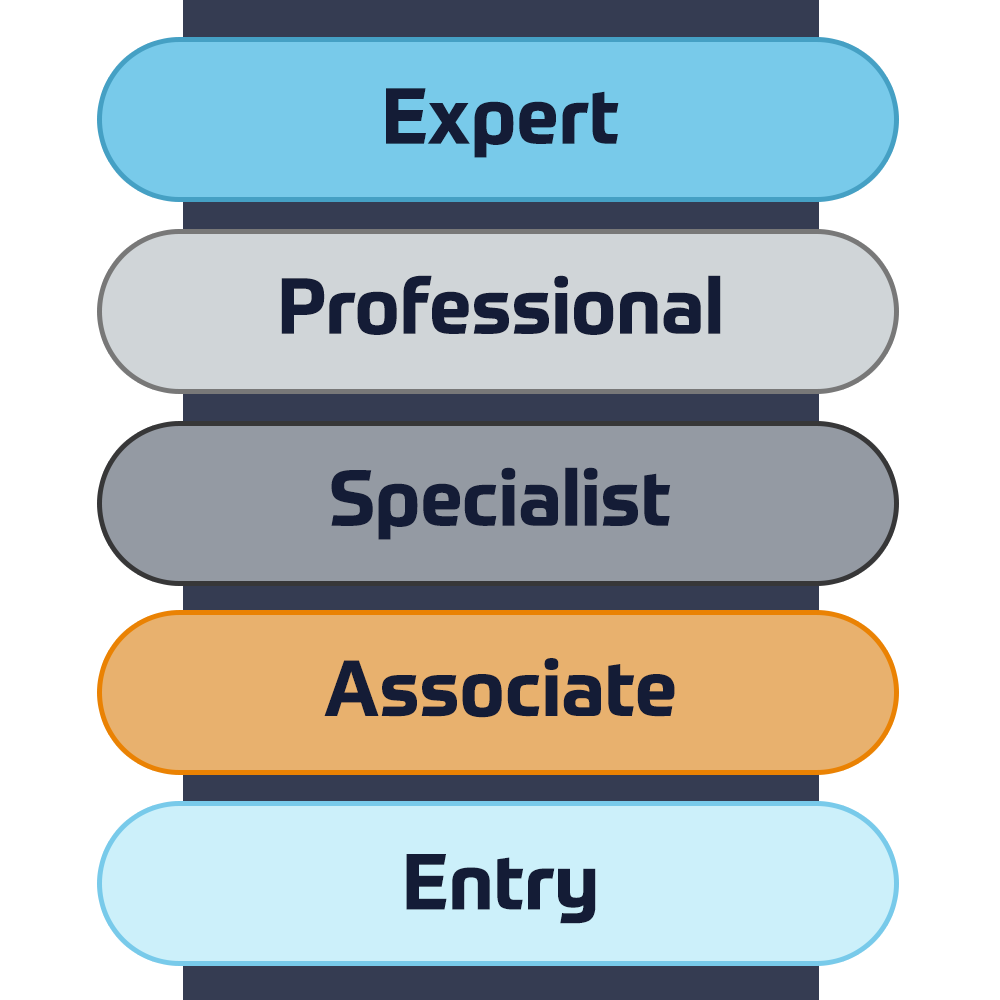
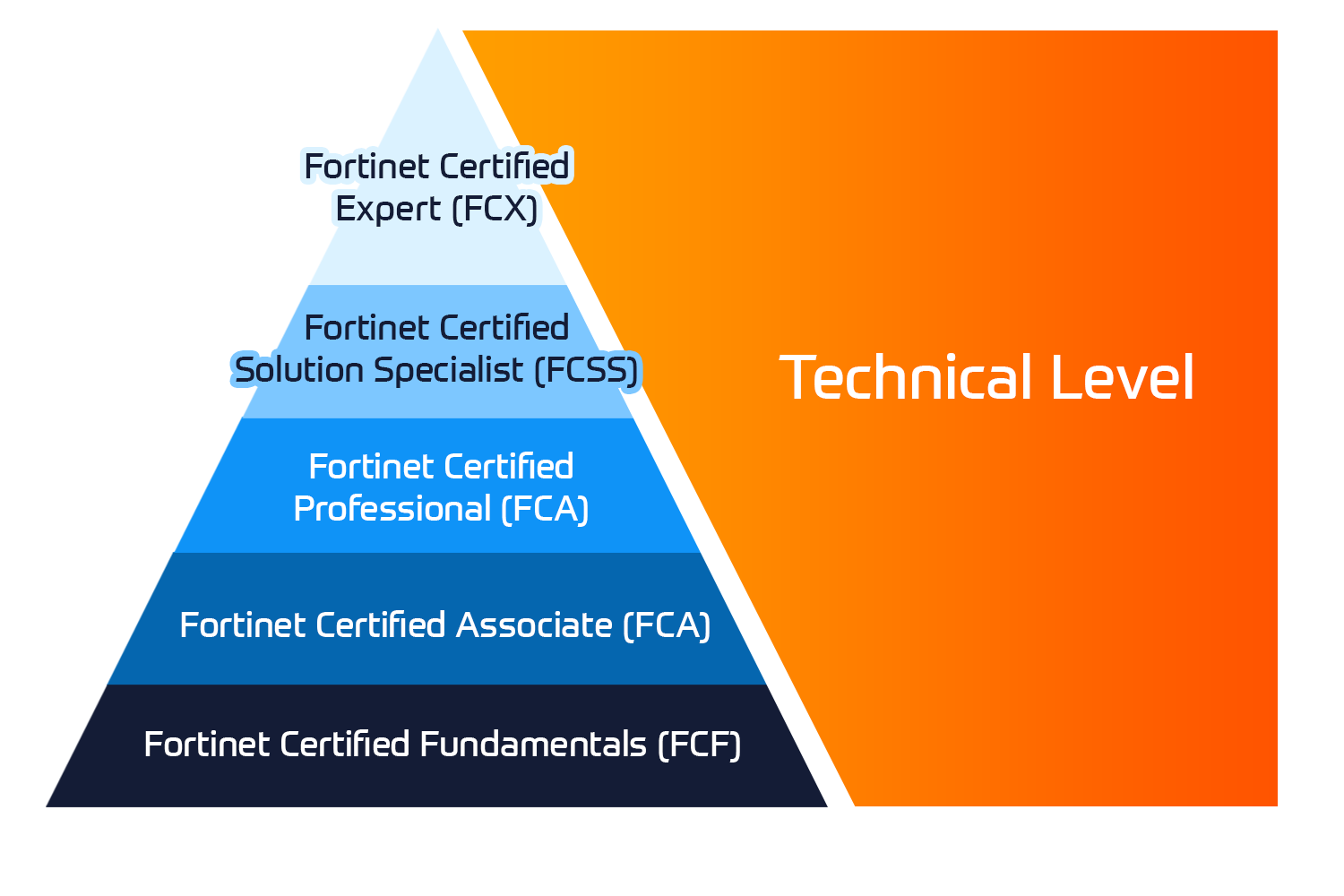
Empower your technical team to reach peak performance by exploring our Fortinet certification track .
Optimising Report Performance and Strategic Value
Optimising your environment is essential for maintaining a high-performance fortianalyzer reporting tutorial experience. Large log volumes can increase report generation time, if Data Retention settings aren’t strictly managed. Administrators should configure the Data Policy to keep only essential analytics for a specific period, such as 90 days, while archiving older logs to external storage. This prevents the database from becoming bloated and ensures that queries remain responsive during peak operational hours.
To reduce rendering times for complex datasets, you should enable hcache, also known as hardened cache. This feature pre-calculates report data during the log aggregation phase, which often improves generation speeds for recurring audits.
Aligning reporting outputs with global standards adds immense strategic value to your security posture. Reports must be tailored to meet the specific requirements of GDPR privacy laws, PCI-DSS 4.0 transaction security, or ISO 27001 management protocols. Achieving this level of precision requires a deep understanding of the Fortinet certification tracks , which empower professionals to handle these advanced configurations with confidence and technical accuracy.
Professional Mastery through Authorized Training
Self-study often misses the subtle nuances required for high-performance reporting in complex enterprise environments. While basic manuals cover the interface, they don’t always explain how to troubleshoot overlapping log IDs or database schema changes. Mastering these variables is a core component of professional growth and ensures your reporting infrastructure remains robust and reliable.
Instructor-led technical training courses help in solving specific SQL dataset challenges. These sessions provide hands-on experience with real-world scenarios that static documentation can’t simulate. We invite you to explore our full vendor training portfolio to build a comprehensive, multi-vendor security strategy that protects your digital assets across all platforms effectively.
Elevate Your Enterprise Security Intelligence
Mastering your network’s data requires more than just standard templates. By implementing the custom SQL datasets and performance-tuning techniques discussed, you’ll likely see report generation times improve. This fortianalyzer reporting tutorial serves as your technical roadmap for a fiscal year, helping you turn raw logs into clear, actionable business intelligence. High-performance reporting isn’t just a technical task; it’s a strategic advantage for your security operations center.
To truly refine these skills, we invite you to explore formal certification. Insoft Services is a Premier Authorized Training Center (ATC) that provides expert-led instruction for the FCP and FCSS tracks. Empower your team with Official Fortinet Training at Insoft Services to stay ahead of the threat landscape. We’re excited to support your professional growth as you build a more secure, future-ready enterprise.

No Comments