
 Finland
 Germany
 Denmark
 Sweden
 Italy
Italy Netherlands
 Norway

























Presenting Network Security Risks to Non-Technical Executives: A Strategic Guide
Did you know that the 2023 IBM Cost of a Data Breach Report found the average global cost of a breach reached $4.45 million, representing a 15% increase over the previous three years? Despite these staggering figures, many IT professionals find that presenting network security risks to non-technical executives often results in blank stares or immediate budget rejections. You likely recognize that your infrastructure requires urgent modernization to remain future-ready, yet bridging the gap between technical reality and boardroom priorities remains a persistent hurdle. It’s common to feel frustrated when vital security upgrades are viewed as mere cost centers rather than strategic enablers for digital transformation.
This guide provides the precise framework you need to master the art of translating complex vulnerabilities into tangible business impacts to secure executive buy-in. You’ll learn how to transform technical jargon into a compelling narrative of risk management and organizational resilience. We’ll explore specific strategies to align your IT goals with the broader corporate strategy, ensuring your next presentation results in successful budget approval and a culture of proactive security awareness. This article details how to empower your leadership team to view network security as a foundational pillar of global business success and long-term stability.
Bridging the Divide: Why Cybersecurity is a Strategic Business Risk
Effective presenting network security risks to non-technical executives requires a fundamental shift toward Business-Centric Security Communication. This methodology translates technical vulnerabilities into tangible operational and financial consequences. By 2026, corporate boards have grown weary of the traditional “Fear, Uncertainty, and Doubt” (FUD) approach. A 2023 Gartner study indicated that 88% of board members now view cybersecurity as a business risk rather than just an IT problem. Relying on alarmist rhetoric often leads to budget fatigue. Instead, IT leaders must base their strategy on the core principles of information security to empower the board with data-driven insights.
Executive concern typically rests on three pillars:
- Revenue Protection: Quantifying how a four-hour system outage affects daily transaction volumes.
- Regulatory Compliance: Aligning security posture with frameworks like the EU’s Digital Operational Resilience Act (DORA) to avoid fines that can reach 1% of average daily global turnover.
- Brand Reputation: Assessing the long-term impact on customer trust after a data leak.
The IT leader’s role has evolved into that of a visionary mentor. You aren’t just a gatekeeper; you’re a strategic partner who enables informed risk-based decisions. This shift ensures that security isn’t seen as a hurdle, but as a foundation for sustainable growth.
The Executive Language Gap
Bridging this gap means abandoning jargon. Don’t mention “Packet Loss” or “Zero-Day exploits.” Instead, discuss “Customer Churn” and “Operational Downtime.” For instance, a 10% increase in latency can lead to a measurable drop in conversion rates. Maintaining a professional, polished demeanor is vital. It builds immediate credibility. When you present as a seasoned expert, the board views security investments as enablers of business agility rather than mere cost centers. This clarity is essential when presenting network security risks to non-technical executives who prioritize fiscal responsibility and long-term stability.
Translating Technical Vulnerabilities into Financial and Operational Impacts
Effective communication begins by moving away from exhaustive “risk lists” that often overwhelm the board with technical minutiae. Instead, focus on “Risk Scenarios” that provide immediate business context. A scenario tells a story: “A compromised endpoint leads to a 72-hour halt in our regional manufacturing line.” This approach is essential when presenting network security risks to non-technical executives, as it shifts the focus from the “how” of a vulnerability to the “what” of its business consequences.
To bridge the gap between complex architecture and executive understanding, employ strategic analogies. You might compare network segmentation to the watertight compartments of a modern ship. If a breach occurs in one area, the compartments prevent the entire vessel from sinking. This visual clarifies why a specific investment in micro-segmentation is a safeguard for the organization’s total buoyancy. Utilizing authoritative benchmarks like NIST or ISO 27001 further strengthens your position by providing a neutral, global standard for maturity. This alignment is particularly vital given the SEC cybersecurity disclosure rules established in July 2023, which emphasize the necessity of board-level oversight and transparent risk reporting.
Quantifying Risk in Business Terms
Executives require data to drive decisions. Use the fundamental formula: Risk = (Likelihood x Impact). To assign a precise monetary value to “Impact,” you must calculate the “Cost of Inaction.” This includes tangible recovery expenses, which reached a global average of $4.45 million per breach in 2023, alongside secondary costs like lost productivity and legal fees. Specialized Cisco professional training provides the technical telemetry and analytical skills needed to fuel these calculations with accuracy. By mastering these metrics, you ensure that presenting network security risks to non-technical executives becomes a logical discussion about capital allocation rather than a technical plea. We encourage you to empower your technical leads with the strategic depth found in our advanced technology training programs to better facilitate these high-level conversations.
A 5-Step Framework for a Board-Level Security Presentation
Effective communication bridges the gap between technical complexity and executive decision-making. When presenting network security risks to non-technical executives, you must follow a structured approach that prioritizes business outcomes over packet captures. It’s about translating digital threats into financial and operational impact.
- Step 1: Start with the Business Context. Align your security update with current corporate objectives, such as a 2024 expansion into digital-first markets. If your firm aims for a 12% increase in operational efficiency, explain how a resilient network prevents the downtime that threatens that goal.
- Step 2: Present the Threat Landscape. Use specific, anonymised data to ground your claims. Instead of vague warnings, cite the 38% increase in ransomware attempts observed within your specific industry sector during the last fiscal year.
- Step 3: Propose the Solution. Focus on the “Future-Ready” state. This involves adopting best practices for executive communication by highlighting how a multi-vendor strategy empowers your workforce to respond to evolving threats.
- Step 4: Financial Justification. Present a clear ROI by comparing implementation pathways. Contrast the cost of proactive infrastructure upgrades against the $4.45 million average cost of a global data breach recorded in 2023.
- Step 5: The Clear Ask. Conclude with a specific, polite, and actionable request. Whether it’s a 15% increase in the security training budget or approval for a new cloud migration phase, ensure the board knows exactly what decision you need from them.
Visualising Data for Non-Technical Clarity
Executives process information differently than network engineers. Replace complex topology diagrams with Red, Amber, and Green (RAG) “Heat Maps.” These visuals allow the board to identify critical risk areas in seconds without getting lost in the weeds. Use “Trend Analysis” charts to show progress over time. A static vulnerability scan only captures a single moment; a trend line showing a 40% reduction in critical vulnerabilities over six months demonstrates strategic mastery and reliability.
Empower your technical leadership with the skills to secure your enterprise. Explore our comprehensive technology training courses to build a future-ready team.
Empowering Your Leadership Through Strategic Training and Consultancy
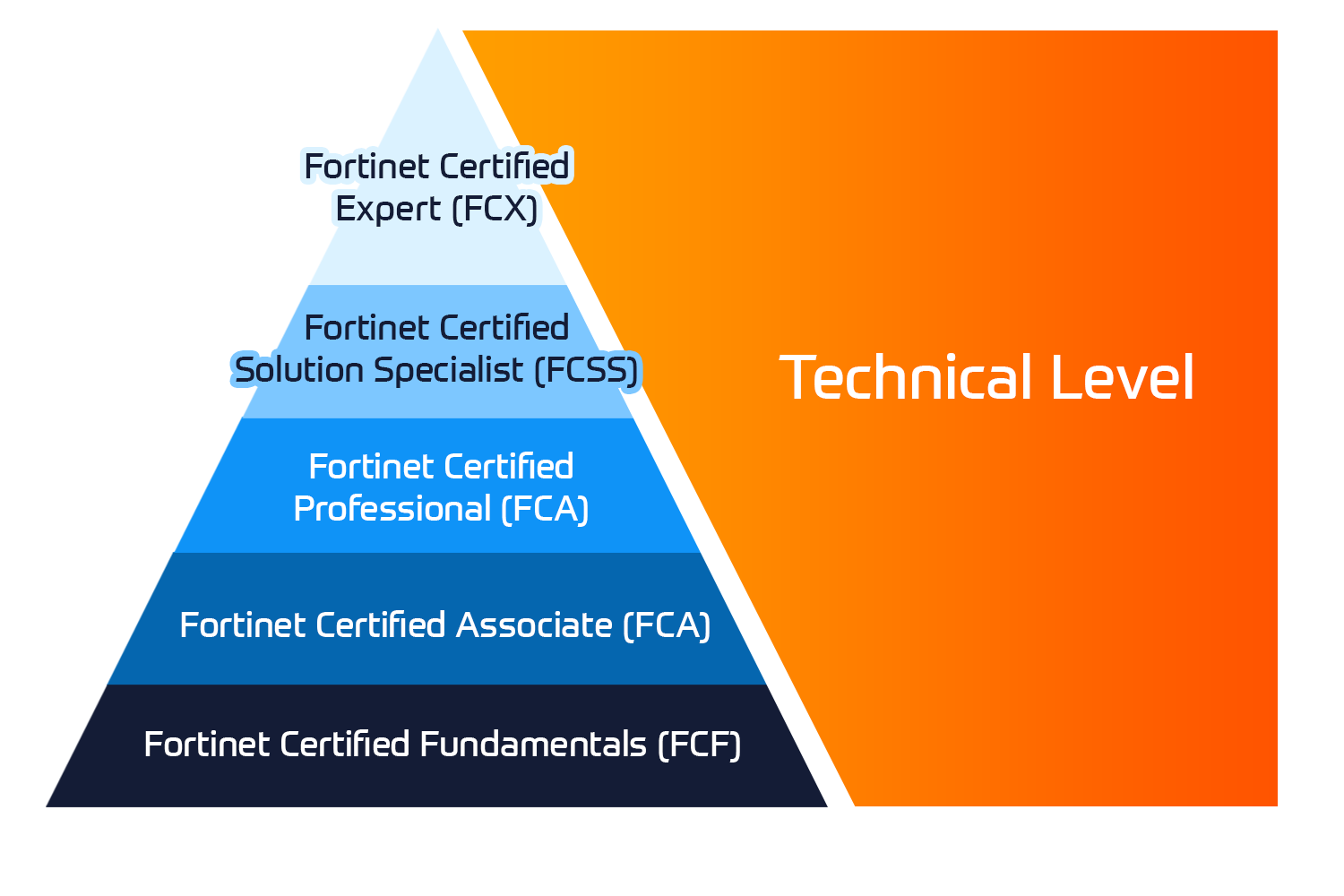
Establishing authority is paramount when presenting network security risks to non-technical executives. By mastering specific tracks like the Fortinet certifications track, professionals gain the specialized knowledge to translate complex firewall telemetry into business-risk narratives. This technical proficiency ensures that 100% of the security data presented is backed by industry-standard methodologies, which builds immediate trust with the board.
Relying on a single vendor often creates structural blind spots. A multi-vendor approach, incorporating solutions from AWS, Cisco, and Extreme Networks, fosters a resilient posture that leadership can rely on. According to the 2023 IBM Cost of a Data Breach Report, organizations with high levels of security automation and diverse infrastructure reduced breach costs by $1.76 million compared to those without. This diversification isn’t just a technical choice; it’s a strategic move to protect the organization’s bottom line.
External IT consultancy serves as a strategic validator for your internal efforts. It provides a global perspective that internal teams might lack, confirming that security claims align with international frameworks like ISO/IEC 27001. This third-party verification mitigates the “echo chamber” effect often found in internal IT departments. It offers executives the peace of mind that their security investments are being benchmarked against global standards.
The digital landscape of 2026 requires more than static knowledge. Continuous learning keeps teams ahead of AI-driven threats and evolving regulatory requirements. By 2025, Gartner predicts that 60% of organizations will use cybersecurity risk as a primary determinant in conducting third-party business engagements. Staying ahead of this curve requires a commitment to ongoing professional development.
The Path to Future-Ready Security Mastery
Technical precision directly impacts reporting quality. Completing CCNA training equips professionals with the foundational networking logic required to explain how data flows and where it’s vulnerable during high-stakes meetings. This level of clarity is essential when presenting network security risks to non-technical executives who require high-level summaries without losing the technical truth. Empower your team and your board today by investing in authorized training and strategic consultancy.
Transforming Cybersecurity into a Competitive Business Advantage
Effective communication bridges the gap between the server room and the boardroom. According to the 2023 IBM Cost of a Data Breach Report, the global average cost of a data breach rose to $4.45 million, which represents a 15% increase over the last three years. This data highlights the necessity of presenting network security risks to non-technical executives by focusing on operational resilience and financial stability. By adopting a structured 5-step framework, you’ll translate complex vulnerabilities into actionable business intelligence that resonates with stakeholders.
As an Authorized Cisco Learning Partner and a Premier Fortinet Authorized Training Center, we provide the technical depth and strategic insight required to navigate today’s threat landscape. Our global reach across EMEA ensures that your team receives localized expertise backed by world-class standards. Empower your leadership team with our Strategic IT Consultancy and Authorized Training to foster a culture of informed decision-making and long-term security. We’re here to help you turn technical challenges into opportunities for organizational growth and mastery.
Frequently Asked Questions
How do I explain a “Zero-Day” vulnerability to an executive without using technical jargon?
A zero-day vulnerability represents a security flaw that’s unknown to the software creator, meaning they’ve had zero days to fix it. You can describe it as a secret back door in a high-security vault that even the architect didn’t realize existed. Hackers discovered this door first and can enter until a patch is developed. The 2021 Log4j incident serves as a prime example where organizations scrambled to address a flaw that was already being exploited globally.
What are the most important security metrics to show at a board meeting?
Focus on Mean Time to Detect (MTTD) and Mean Time to Respond (MTTR) to demonstrate operational resilience. The 2023 IBM Cost of a Data Breach Report shows that companies taking over 200 days to contain a breach face significantly higher financial impacts. When presenting network security risks to non-technical executives, you should also highlight the percentage of employees who’ve completed security awareness training. This metric provides a tangible view of your human firewall’s current strength.
How can I justify the cost of a Managed SOC to a CFO?
Justify a Managed Security Operations Center (SOC) by comparing the cost of 24/7/365 internal staffing against a fixed service fee. Building an in-house team requires at least 8 to 12 full-time analysts to cover all shifts, which often exceeds the budget for mid-sized firms. Outsourcing provides immediate access to high-tier expertise and specialized tools. This move shifts capital expenditure to operational expenditure, which aligns with corporate fiscal strategies and reduces the 20% average turnover rate seen in security roles.
Is it better to use “Fear” or “Opportunity” when presenting security risks to a board?
Framing security as a strategic opportunity for resilience is more effective than using fear-based tactics. The World Economic Forum’s 2024 Global Risks Report ranks cyber insecurity as a top 5 global threat, but boards respond better to solutions that enable growth. Highlighting how robust security allows the company to enter new markets or protect brand equity builds trust. It transforms the security department from a cost center into a business enabler that empowers the entire organization to innovate safely.
How often should I provide network security updates to the executive team?
Provide comprehensive strategic updates on a quarterly basis, supplemented by high-level monthly dashboard reports. This cadence aligns with standard corporate reporting cycles and ensures the board stays informed without feeling overwhelmed. If a critical event like a Tier 1 data breach occurs, you must provide an immediate briefing within 24 hours. Regular communication ensures that presenting network security risks to non-technical executives becomes a standard part of business governance rather than an emergency reaction to a crisis.

No Comments