
 Finland
 Germany
 Denmark
 Sweden
 Italy
Italy Netherlands
 Norway























What is Managed Security Operations? A Strategic Guide for the Future-Ready Enterprise
Did you know that the 2023 ISC2 Cybersecurity Workforce Study highlights a global shortfall of 4 million skilled professionals? You likely agree that recruiting and retaining tier-3 analysts has become an exhausting cycle of competition and high turnover. Most organizations find that the capital required to build a 24/7 in-house SOC is prohibitive; meanwhile, 55% of security teams report feeling overwhelmed by more than 10,000 alerts daily. This guide demonstrates how Managed Security Operations empowers your organization to bridge this critical expertise gap while achieving comprehensive resilience through expert-led monitoring and strategic defense.
We’ll examine the specific methodologies used to reduce the risk of data breaches and ensure your security infrastructure remains future-ready. You’ll discover how to transition from reactive tool management to a proactive posture that aligns your technical defenses with overarching business goals. This strategic overview provides the precision and clarity needed to achieve operational mastery in an increasingly complex digital environment. By the end of this article, you’ll possess a clear roadmap for integrating multi-vendor expertise into your long-term digital evolution strategy.
Defining Managed Security Operations in the Modern Threat Landscape
Managed Security Operations represents a strategic shift where enterprises outsource threat detection, incident response, and continuous monitoring to specialized external partners. This evolution from traditional, localized Security Operations Centers (SOC) to a global Managed Security Service model allows organizations to leverage multi-vendor expertise without the prohibitive costs of maintaining 24/7 internal infrastructure. While standard Managed Service Providers (MSPs) prioritize network uptime and hardware availability, Managed Security Operations focuses strictly on the adversarial landscape, providing the technical mastery required to neutralize sophisticated, multi-vector attacks.
Reliability in the modern digital era demands 24/7/365 vigilance. Automation has empowered cybercriminals to launch exploits at any hour, often using botnets that bypass traditional perimeter defenses. A 2023 report by IBM indicates that the average time to identify and contain a breach is 277 days, a window that Managed Security Operations seeks to shrink through immediate, human-led intervention. This level of oversight ensures that your enterprise remains resilient against automated threats that never sleep.
The Core Components of a Managed SOC
- Unified Visibility: Continuous monitoring of cloud environments, remote endpoints, and network logs ensures no blind spots exist within the digital estate.
- Proactive Threat Hunting: Analysts move beyond reactive incident response by searching for dormant indicators of compromise before they escalate into full-scale breaches.
- High-Fidelity Alerting: Advanced filtering reduces organizational noise by eliminating the 90% of false positives that typically cause alert fatigue, ensuring teams focus only on genuine risks.
Why ‘Good Enough’ Security is No Longer Sufficient
Compliance provides a baseline for regulatory adherence, but it fails to address the dynamic agility required to defend against active, human-led exploitation. Relying on outdated security postures often leads to catastrophic financial results, with the global average cost of a data breach reaching $4.45 million in 2023. Beyond immediate fiscal loss, delayed detection can erode 30% of a brand’s market value within weeks. To mitigate these risks, organizations must empower their staff through advanced technology training and strategic partnerships that prioritize rapid containment over mere checkbox compliance.
The Architecture of Excellence: How Managed Operations Function
Achieving operational excellence requires more than deploying software; it demands a structured integration of SIEM, XDR, and AI-driven analytics to process the 10,000+ alerts an average enterprise generates weekly. While automation filters the noise, human experts interpret the complex telemetry that signifies a sophisticated breach. This synergy is central to Managed Security Services (MSS), where global threat intelligence feeds provide real-time updates to local security postures. A Single Pane of Glass approach ensures that security teams view their entire multi-vendor infrastructure through a unified interface, eliminating the visibility gaps that often lead to 45% of undetected lateral movements within a network. By centralizing data from diverse sources, Managed Security Operations provide a holistic view of the threat landscape, allowing for rapid, informed decision-making.
Technology Integration: Cisco, Fortinet, and Beyond
Effective Managed Security Operations leverage Official Cisco Training principles to build resilient network defenses that withstand modern cyber threats. Simultaneously, Fortinet Professional Services ensure that distributed enterprise edges remain secure through integrated SD-WAN and firewall architectures. Mastery over these multi-vendor environments empowers organizations to maintain agility without sacrificing protection. In a landscape where 75% of enterprises utilize more than one cloud provider, the ability to orchestrate security across different platforms is a strategic necessity. Professionals can explore advanced technology training to bridge these critical skill gaps and master complex, hybrid-cloud environments.
The Incident Response Lifecycle
The lifecycle begins with automated detection and moves rapidly into containment via pre-defined playbooks. Statistics show that reducing the Mean Time to Respond (MTTR) to under 15 minutes can save an enterprise significantly in recovery costs and brand reputation. Managed teams conduct deep forensic analysis to identify root causes, ensuring that remediation strategies prevent recurrence. This process involves several critical steps:
- Initial Detection: Utilizing AI-driven analytics to identify anomalies in real-time.
- Automated Containment: Isolating affected systems immediately to prevent the spread of malware.
- Forensic Analysis: Investigating the breach to understand the attacker’s methods and motives.
- Remediation: Eradicating the threat and restoring systems to a secure state.
It’s vital to have these protocols established before an incident occurs. This proactive stance ensures that the enterprise remains future-ready and resilient against an ever-evolving array of digital threats.
Strategic Dilemma: The ‘Build vs. Buy’ Analysis for Security Operations
Building an internal Security Operations Center (SOC) presents a formidable financial hurdle for the modern enterprise. While the initial capital expenditure for SIEM or XDR platforms is substantial, the true complexity lies in the sustained operational costs. A fully functional 24/7 SOC typically requires a minimum of 10 to 12 full-time employees to account for shift rotations, holidays, and attrition. When you factor in the average salary of a security analyst, which often exceeds £60,000 in the UK market, the annual personnel cost alone surpasses £700,000 before considering software licensing or infrastructure.
Managed Security Operations provide immediate maturity without the long lead times associated with traditional recruitment. Instead of waiting the typical 6 to 9 months required to recruit and onboard a specialized team, organizations can achieve full visibility within weeks. This transition shifts the burden of maintenance to a partner, allowing internal IT leaders to focus on strategic growth. To understand how these partnerships function at a granular level, Managed Security Service Providers (MSSPs) Explained offers a comprehensive breakdown of the core service architectures available to the enterprise.
The Talent Gap and the Mastery Problem
The global cybersecurity workforce gap reached 4 million professionals in 2023 according to ISC2 data. This shortage makes retaining Tier-2 and Tier-3 analysts particularly difficult, as these experts are frequently recruited away by larger firms offering higher compensation. Managed models empower your organization by providing on-demand access to global experts who handle diverse threat scenarios across multiple industries daily. This collective intelligence ensures your defense isn’t limited by the localized experience of a small internal team, providing a level of mastery that’s difficult to cultivate in isolation.
Operational Agility and Scalability
Managed services provide a level of flexibility that fixed-cost internal teams cannot match. As your enterprise expands into new cloud environments or geographic regions, scaling your security coverage shouldn’t require a new hiring cycle. Utilizing a subscription-based model allows for predictable budgeting while maintaining the ability to pivot. Organizations looking to bridge their internal skill gaps while maintaining control often invest in specialized training, such as the Fortinet certifications track, to ensure their remaining staff can effectively collaborate with managed providers.
Empower your team with the technical proficiency required to manage modern threats. Explore our comprehensive technology training portfolio
Empowering the Future-Ready Enterprise: A Holistic Roadmap
Managed Security Operations serves as a force multiplier for your existing IT department. It’s a strategic alliance rather than a replacement of your talented staff. Gartner’s 2023 research indicates that 60% of organizations will transition to managed detection services by 2025 to combat the rising complexity of cyber threats. By leveraging this model, your team can pivot from reactive firefighting to proactive business enablement. We recommend utilizing Cisco Learning Credits to ensure your internal engineers remain technically proficient while the managed provider handles the repetitive, 24/7 alert monitoring tasks.
Effective security requires a blend of professional consultancy and daily operational excellence. Please consider this structured 4-step framework for a seamless transition:
- Phase 1: Baseline Audit. Evaluate your current infrastructure against the ISO/IEC 27001 standard to identify critical gaps in your defense.
- Phase 2: Technical Integration. Deploy necessary sensors and establish secure communication channels within a 14-day window to ensure immediate visibility.
- Phase 3: Skills Alignment. Map internal roles to specific training tracks to bridge knowledge gaps between your staff and the provider.
- Phase 4: Continuous Review. Schedule quarterly business reviews to analyze incident response times and adjust threat hunting parameters based on new intelligence.
Integrating Training with Managed Services
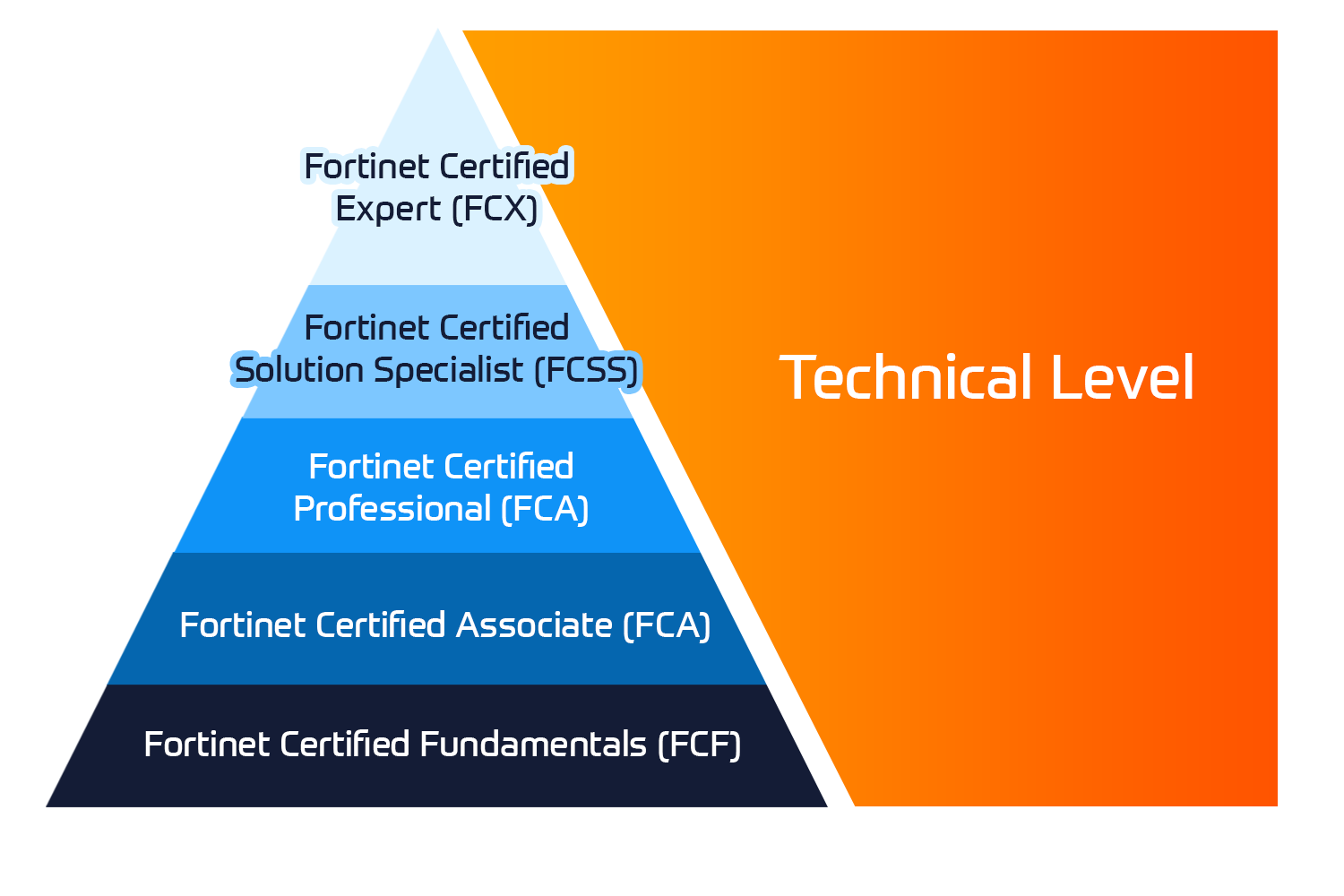
Internal stakeholders must speak the same language as their security providers to maximize the value of Managed Security Operations. Pursuing Fortinet Certifications empowers your engineers to understand the underlying fabric of your security architecture. When your team achieves NSE Level 4 or higher, they contribute more effectively to incident post-mortems and architectural discussions. High security postures don’t stay static; they require constant skill evolution to outpace sophisticated adversaries.
Selecting the Right Managed Security Partner
Choosing a partner requires looking beyond basic service level agreements. You should prioritize providers with multi-vendor expertise and a verified global footprint to handle threats across different time zones. Transparent communication and a commitment to knowledge sharing are essential traits of a dependable partner. We invite you to consult with Insoft Services to design a strategic roadmap that bridges the gap between your current vulnerabilities and future digital resilience.
Securing the Next Frontier of Digital Resilience
Organizations face a significant challenge as the 2023 IBM Cost of a Data Breach Report highlights a global average breach cost of $4.45 million. Navigating this high-stakes landscape requires a shift from fragmented defenses to integrated Managed Security Operations. This approach balances sophisticated technical architecture with the strategic agility needed for global scale. Decision-makers should consider the 2024 Gartner projection that 60% of organizations will transition to managed detection and response services by 2025. By aligning with a partner who understands the nuance of multi-vendor environments, your enterprise bridges the gap between complex infrastructure and human mastery.
Insoft Services provides the expertise necessary to navigate these complexities. As an Authorised Cisco Learning Partner and a Premier Fortinet Authorised Training Centre, we deliver global reach paired with localized technical expertise. Empower your organisation with our Strategic Managed Security and Training Solutions to ensure your team’s skills evolve alongside the threat landscape. We’re here to help you achieve operational excellence and long-term security stability.
Frequently Asked Questions
What is the difference between an MSSP and Managed Security Operations?
Traditional MSSPs focus on managing security devices like firewalls, while Managed Security Operations provide proactive threat hunting and deep incident analysis. According to Gartner’s 2023 Market Guide, MSSPs often lack the investigative depth found in more advanced security models. This strategic approach integrates telemetry from various sources to identify sophisticated adversaries, ensuring your enterprise remains resilient against modern threats.
Can Managed Security Operations help with regulatory compliance like GDPR or ISO 27001?
Managed Security Operations support compliance by providing the continuous monitoring required under GDPR Article 32 and ISO 27001 Annex A.12. Providers deliver 24/7 visibility and automated logging to satisfy the 72-hour breach notification mandate. By utilizing a multi-vendor strategy, organizations map technical controls to specific regulatory frameworks. This ensures that audit trails remain intact for annual certifications and strategic growth.
How does a Managed SOC handle data privacy and sensitive information?
A Managed SOC protects sensitive information by employing data masking and strict Role-Based Access Control within the monitoring environment. Analysts typically view anonymized logs instead of raw personally identifiable information, adhering to the Principle of Least Privilege. Many providers maintain SOC 2 Type II certification to verify their internal controls, ensuring that customer data remains isolated and secure throughout the process.
Is Managed Security Operations suitable for small to medium-sized enterprises?
Managed Security Operations are highly effective for SMEs because they eliminate the need to hire a full-time, 10-person security team. Small firms gain access to enterprise-grade tools like EDR and XDR that are often too expensive to manage in-house. This model empowers smaller organizations to achieve a future-ready posture, allowing them to scale their security maturity alongside their global business objectives.
What happens during a critical security incident if I use a managed provider?
The managed provider initiates a pre-defined Incident Response Plan within 15 minutes of detecting a critical threat. The team executes immediate containment actions, such as isolating infected hosts or revoking compromised credentials, to stop lateral movement. You’ll receive a detailed forensic report and remediation steps. This process ensures your enterprise recovers quickly while minimizing the impact on your digital infrastructure and reputation.

No Comments